 listicle
Best Dog Training Methods 2026
Table of Contents
- Professional Training vs. Digital Tools: What Works Best
- Can You Train an Old Dog? Addressing Behavioral Issues at Any Age
- Dog Training Duration Expectations: How Long Until You See Results
- Frequently Asked Questions
Last Updated: September 20, 2026
Professional Training vs. Digital Tools: What Works Best
Dog training methods fall into two categories: hands-on professional guidance or self-directed learning through digital platforms. Both deliver results, but work differently based on your dog's age, temperament, and your schedule.
Professional trainers provide real-time feedback and behavioral assessment that apps cannot replicate. Digital tools offer flexibility but require discipline and consistency from you.
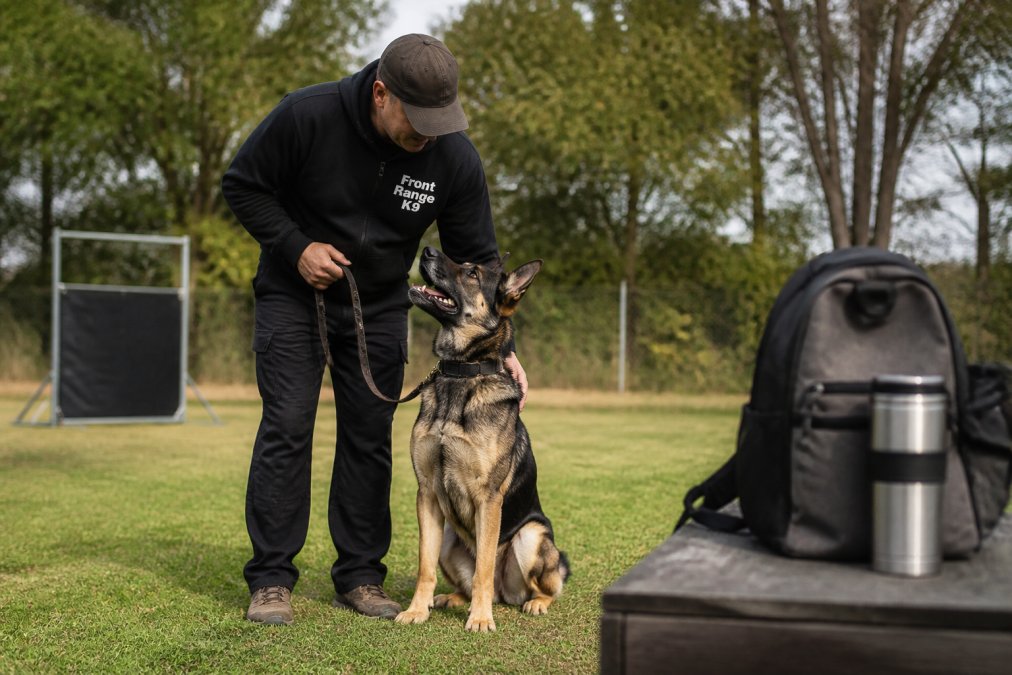
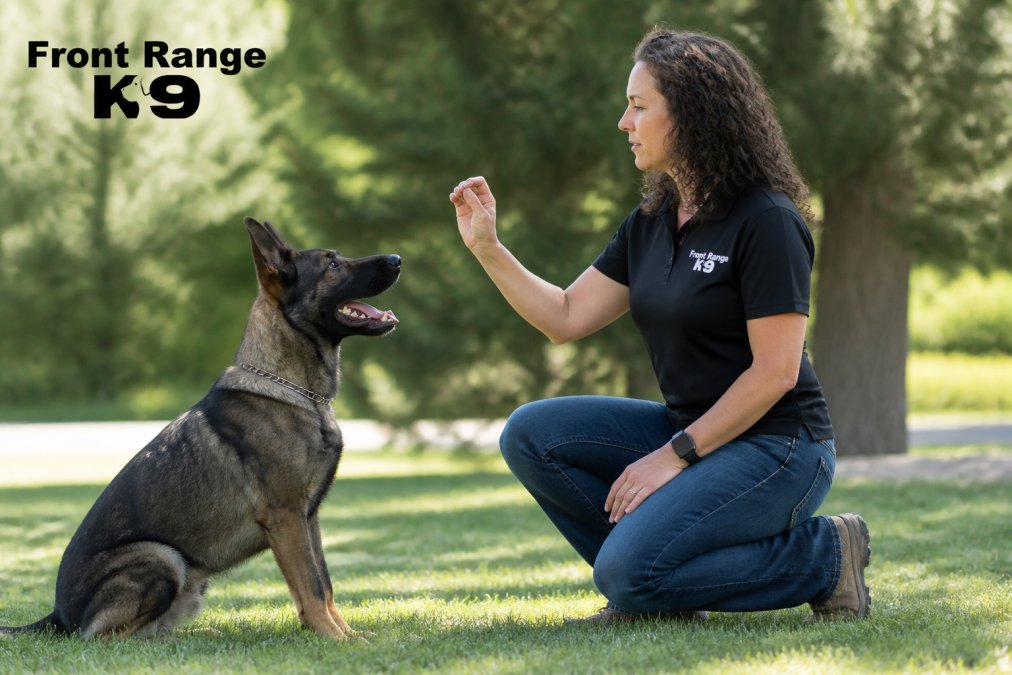
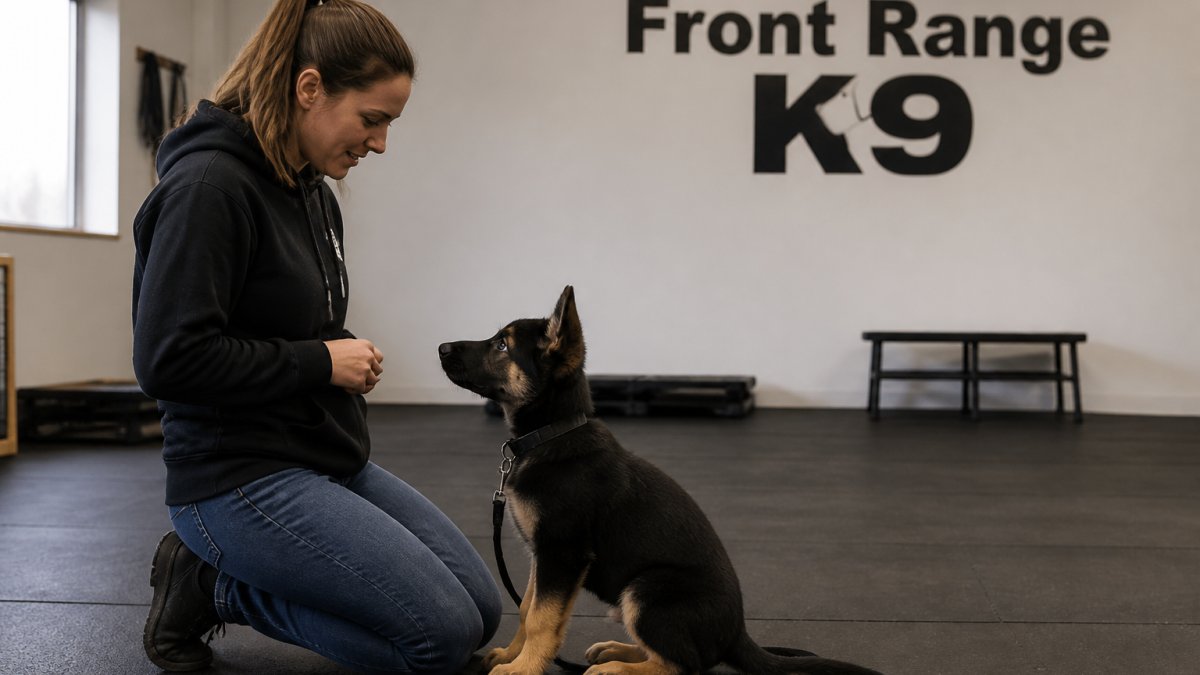
Front Range K9 Academy brings over 36 years of experience and 10,000+ dogs trained, emphasizing real-world obedience that works on actual walks.
Digital tools offer structured curricula at home but cannot observe your dog or correct your handling in real time.
Can You Train an Old Dog? Addressing Behavioral Issues at Any Age
Older dogs often train more easily than puppies due to longer attention spans. Breaking ingrained behaviors like leash pulling is achievable with patience.
Dogs of any age respond to clear communication and consistency. Senior dogs may have physical limitations requiring modifications that a professional trainer can address. Additionally, some behavioral concerns, such as reactivity to wildlife, may benefit from specialized training. For example, snake avoidance dog training addresses a specific environmental hazard that dogs of any age can learn to recognize and avoid, particularly valuable for dogs in regions where encounters are a genuine risk.
Dog Training Duration Expectations: How Long Until You See Results
Initial behavioral shifts appear within the first two to three sessions, your dog learns that new responses produce predictable outcomes, like sitting at the door instead of jumping or walking calmly beside you.
However, initial progress differs from reliable, automatic behavior. A dog may sit calmly during a controlled session but struggle when the doorbell rings during dinner. Building behavior that holds under real-world pressure typically takes 6 to 12 weeks of consistent practice, depending on issue complexity and your follow-through.
Book your Temperament Test & Training Session →
Timeline factors include your consistency between sessions, how clearly you communicate the desired behavior, the dog's age and learning history, and the specific behavior being addressed.
A dog learning a new command typically needs 50-100 repetitions before it becomes reliable, duration depends on you as much as on the dog.
Digital apps often promise faster results, but an app can show you what to do without ensuring consistent or correct execution. Your execution determines the pace.
Ready to stop guessing and get expert guidance? Book your Temperament Test & Training Session with Front Range K9 Academy. Their trainers assess your dog's specific needs and create a clear path forward, whether that's addressing pulling, reactivity, jumping, or building off-leash reliability. With 36+ years of professional experience and a track record of over 10,000 happy dogs and owners, they've earned their reputation for real-world results. Get started today and discover what structured, professional training actually delivers.
Frequently Asked Questions
Can you train an old dog new behaviors?
Yes. Dogs of any age can learn new behaviors through consistent training and structured guidance. Older dogs may progress at a different pace than puppies, but they often bring focus and maturity to the training process. Professional trainers work with senior dogs regularly, addressing specific behavioral issues and building obedience. The key is patience, consistency, and methods tailored to the individual dog's temperament and physical condition.
How long does it take to see results with dog training methods?
Results vary based on the dog's age, the specific behavior being addressed, and the consistency of training. Many owners notice improvements in basic obedience within 2-4 weeks of structured training. Behavioral issues like pulling or jumping may take 4-8 weeks or longer to resolve fully. Professional guidance accelerates results compared to self-directed approaches. Consistency between training sessions is critical, practice between sessions directly impacts how quickly your dog progresses.
What's the difference between professional training and digital dog training apps?
Professional trainers provide personalized assessment, real-time feedback, and hands-on guidance tailored to your dog's specific issues and temperament. Digital apps offer structured curricula, convenience, and lower cost, making them ideal for basic obedience and puppy development. Professional training excels with complex behavioral problems, off-leash reliability, and dogs requiring specialized attention. Many owners combine both: using apps for daily reinforcement while working with a professional for behavioral challenges or advanced obedience goals.