 how-to
Aggressive Dog Training: A 2026 Guide to Behavior Change
Table of Contents
- Start With a Dog Aggression Assessment
- What Dog Behavior Modification Actually Involves
- Professional Dog Trainer Qualifications That Matter
- How Long Does Aggressive Dog Training Take?
- Managing Safety, Liability, and the Environment
- When to Seek Professional Help and Veterinary Intervention
- Frequently Asked Questions
Last Updated: September 15, 2026
Start With a Dog Aggression Assessment
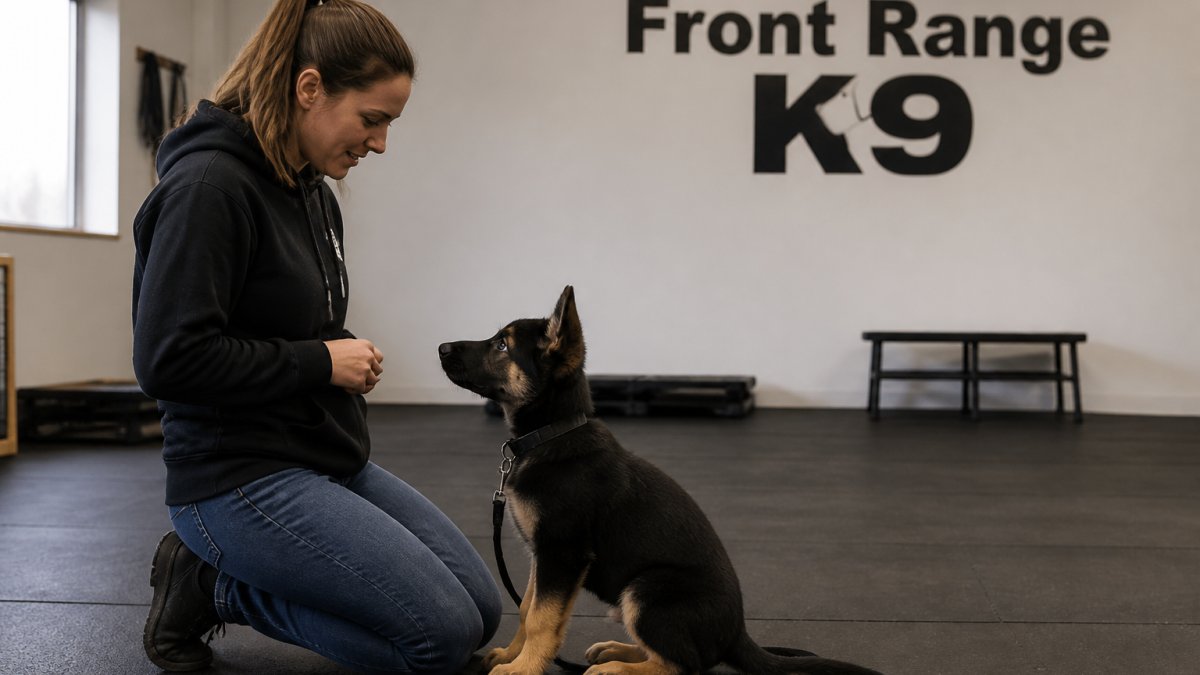
Aggressive dog training begins with a structured assessment, not a correction. A dog aggression assessment evaluates triggers, intensity, and the body language that precedes a reaction. At Front Range K9 Academy, this step is the foundation for every behavior plan, because a dog labeled "aggressive" is often frightened, overstimulated, or misunderstood.
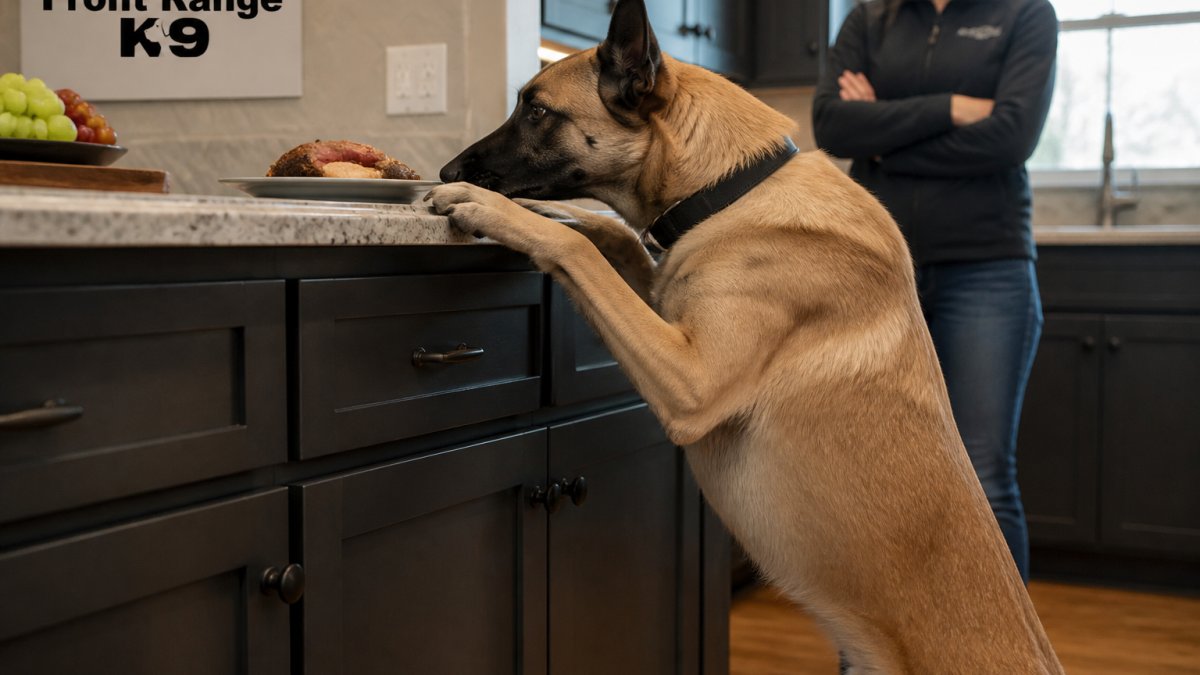
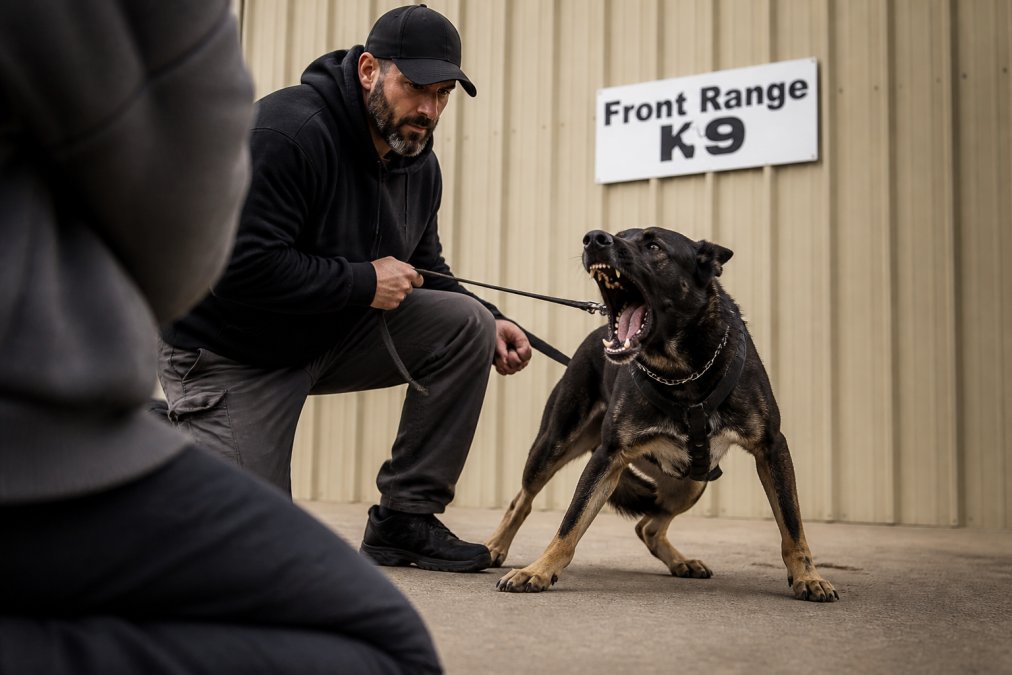
Aggression is frequently misdiagnosed. Growling, lunging, and snapping are symptoms; the assessment identifies the cause underneath: fear, resource guarding, leash reactivity, or pain.
The American Veterinary Society of Animal Behavior position statement on humane dog training notes that behavior problems are the leading cause of relinquishment to shelters, which is why early, accurate evaluation matters so much.
What Dog Behavior Modification Actually Involves
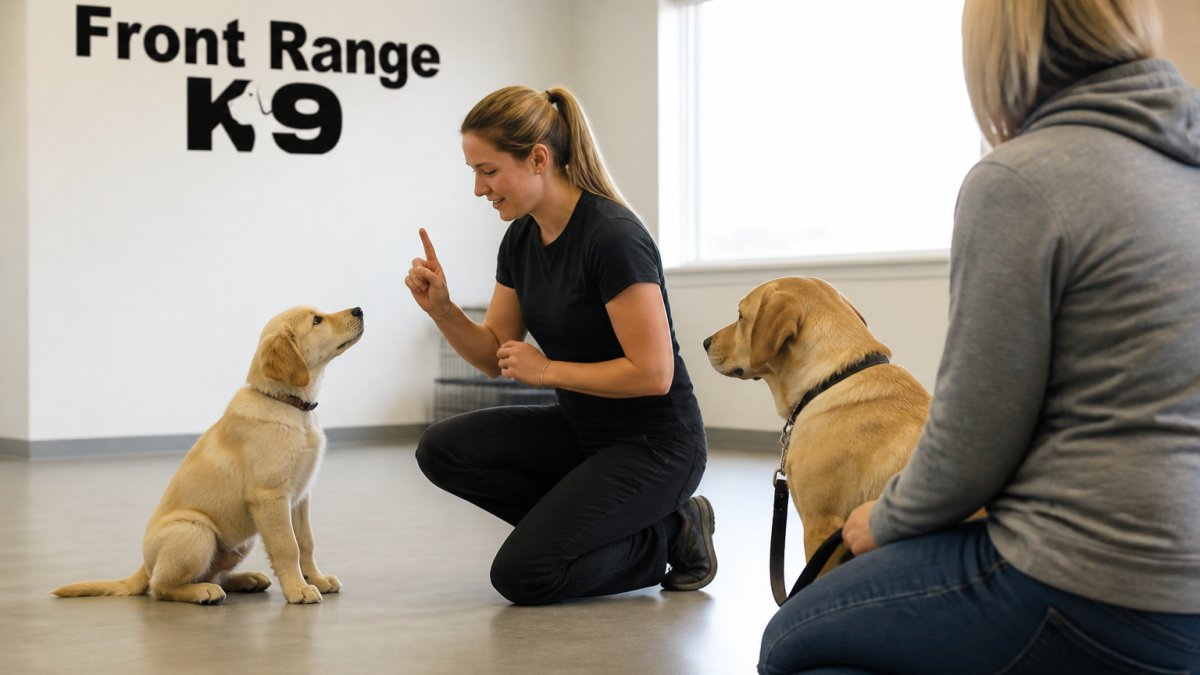
Dog behavior modification changes a dog's emotional response to a trigger, not just the outward reaction, combining desensitization, counter-conditioning, and structured obedience training. Suppressing a growl without addressing the fear behind it removes the warning signal and leaves the bite.
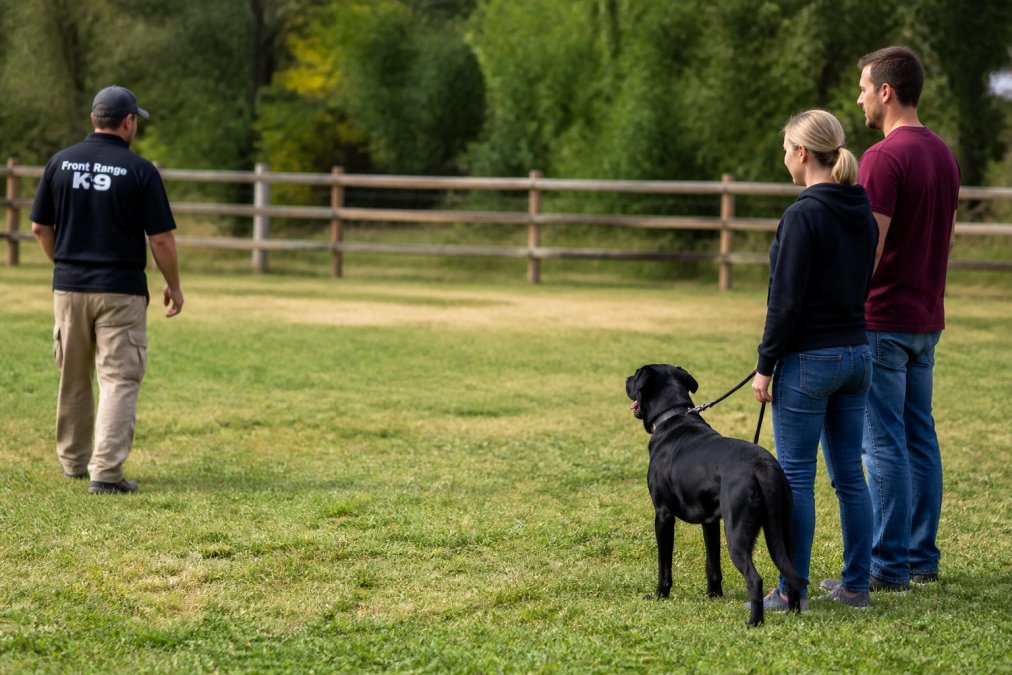
This is where most do-it-yourself attempts fall apart. A dog that has practiced a behavior for years has a deeply grooved response, and changing it requires consistency, timing, and a clear threshold at which the dog can still learn.
Duration varies widely: simple leash reactivity may improve within weeks, while long-standing aggression or resource guarding often takes months. Progress is measured in reduced intensity and shorter recovery times, not a single breakthrough.
Professional Dog Trainer Qualifications That Matter
Professional dog trainer qualifications are the clearest signal of whether someone can safely handle an aggression case. There is no single national license for dog trainers in the United States, so credentials, hands-on experience, and professional memberships carry the weight a license would elsewhere.
When you evaluate a trainer for a reactive or aggressive dog, look for:
- Membership in a recognized professional organization, such as the International Association of Canine Professionals, which requires adherence to a code of conduct
- Documented experience with aggression and reactivity cases specifically, not just general obedience
- A willingness to assess your dog before recommending a program
- Clear communication about safety protocols and what results are realistic
- References or verifiable history you can check
| Qualification Signal | What It Tells You | Why It Matters for Aggression Cases |
|---|---|---|
| Professional membership | Commits to a code of conduct | Accountability and continuing education |
| Aggression-specific experience | Has handled reactive dogs before | Safer handling, realistic expectations |
| Pre-training assessment | Screens before accepting the case | Rules out pain or medical causes |
| Clear safety protocols | Plans for handler and dog safety | Reduces bite risk during sessions |
| Willingness to refer out | Knows the limits of training | Connects you to veterinary help when needed |
How Long Does Aggressive Dog Training Take?
Managing Safety, Liability, and the Environment
When to Seek Professional Help and Veterinary Intervention
Frequently Asked Questions
Can aggressive behavior in dogs be managed through professional training?
Yes, in most cases it can be managed, though the word 'managed' matters more than 'cured.' Aggressive dog training focuses on changing the emotional response behind the behavior, not just suppressing the growl or lunge. A structured program combines a full assessment, behavior modification, environmental management, and consistent follow-through at home. Progress depends on the dog's history, the severity of the behavior, and how consistently the owner applies the plan. Some dogs improve enough to be reliable in public; others need lifelong management. Either way, a qualified professional can build a safer, more predictable routine for the whole household.
What should I look for in a professional dog trainer for aggression cases?
Start with credentials and experience specific to aggression, not general obedience. Look for membership in a professional organization such as the International Association of Canine Professionals, a documented assessment process, and a clear explanation of how they measure progress. Ask how many aggression cases they handle per year, what their safety protocols look like, and whether they coordinate with a veterinarian when medication or a medical cause is possible. A good trainer will also tell you what they will not take on. If someone promises a guaranteed fix in one session, keep looking.
How long does behavioral training duration typically run for aggression cases?
There is no fixed timeline, and any trainer who quotes one before assessing your dog is guessing. Most aggression cases run for several months of structured work, with the first few weeks focused on safety, management, and teaching the dog to stay under threshold. After that, sessions often shift to real-world scenarios and then to maintenance. Factors that shorten the timeline include early intervention, consistent owner follow-through, and a stable home environment. Factors that extend it include a long history of rehearsed aggression, multiple triggers, and inconsistent handling between sessions.
Aggression is one of the hardest behaviors to face alone, and it is also one of the most manageable with the right structure and support. Front Range K9 Academy offers a temperament test and training session as the starting point, backed by 36 years of experience, private and group sessions tailored to your dog, and methods built for real-world results. Get started with Front Range K9 Academy and turn stressful walks into a routine you and your dog can both enjoy.