 how-to
Best Age to Start Dog Training: A Guide
Table of Contents
- The Best Age to Start Dog Training
- When to Start Puppy Training: Age-by-Age Stages
- Can You Train an Old Dog? Training Adult and Senior Dogs
- Frequently Asked Questions
Last Updated: October 7, 2026
The Best Age to Start Dog Training
The best age dog training can begin depends on your goals, your dog's readiness, and your consistency, dogs of any age can learn.
At Front Range K9 Academy, we've worked with thousands of dogs across every age range. Early starts build good habits, but older dogs absolutely can learn new behaviors.
When to Start Puppy Training: Age-by-Age Stages
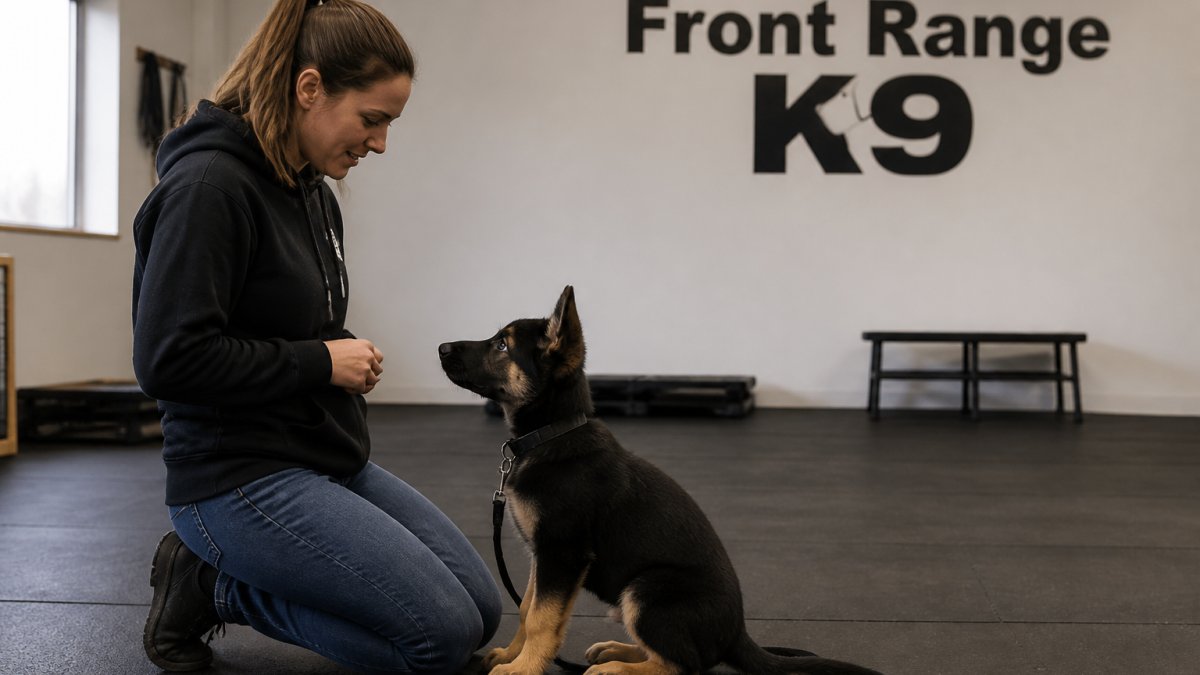
Young puppies can begin learning from around 6 to 8 weeks old, absorbing information about their environment and grasping basic concepts. Their attention spans are short, so brief, focused sessions work best.
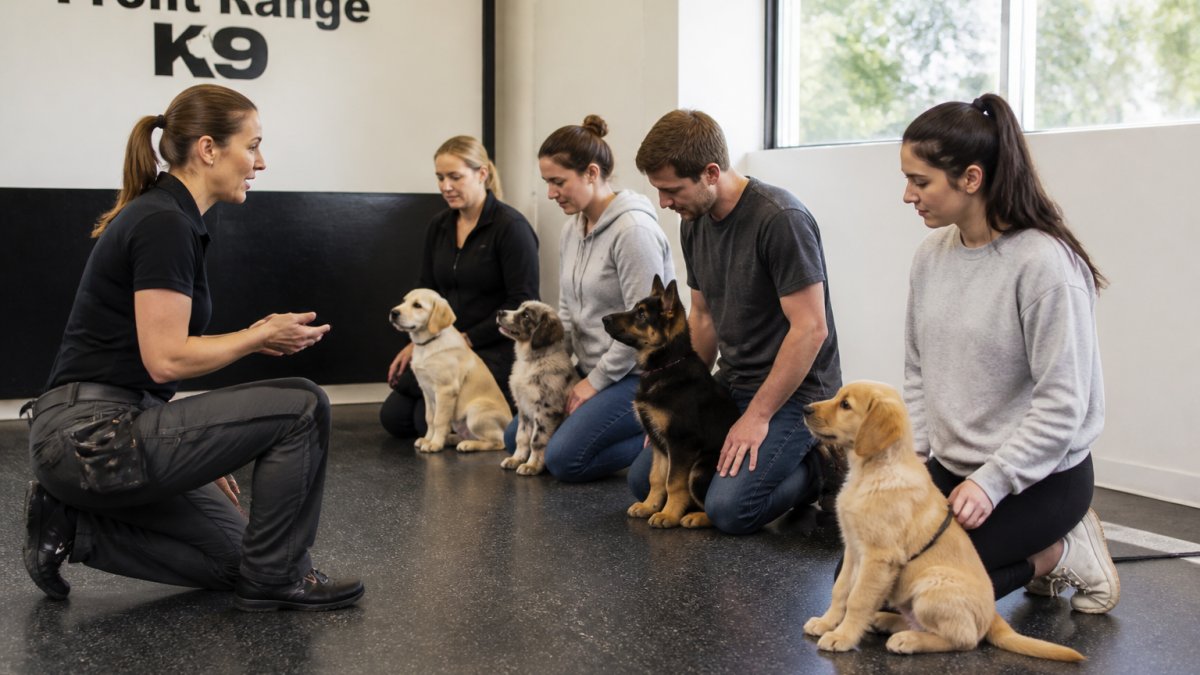
Between 8 and 16 weeks, puppies enter a critical window for socialization and learning that shapes how they respond to people, other dogs, and new experiences. Training during this window builds confidence and prevents many behavioral issues later.
By 4 to 6 months, puppies have better focus and physical control, so more structured training becomes effective and owners see real progress.
| Age Range | What Dogs Learn | Training Focus |
|---|---|---|
| 6-8 weeks | Basic awareness, simple commands | Short sessions, positive association |
| 8-16 weeks | Socialization, impulse control | Exposure to environments, people |
| 4-6 months | Obedience, consistency | Structured commands, boundaries |
| 6+ months | Complex behaviors, off-leash work | Advanced skills, real-world scenarios |
Can You Train an Old Dog? Training Adult and Senior Dogs
The idea that you can't teach an old dog new tricks is a myth. Adult and senior dogs learn just as effectively as puppies, sometimes better, thanks to longer attention spans and more impulse control.
Dogs of any age respond to consistent training and clear expectations, and behaviors like pulling, barking, or jumping can change with proper guidance.
Book your Temperament Test & Training Session →
Senior dogs benefit from training because it keeps their minds active and reinforces good habits, and the best age dog training begins with an older dog is today.
Research from the American Kennel Club confirms that dogs of all ages can learn with consistent practice. The difference between a puppy and an adult dog isn't ability, it's the time investment and patience required.
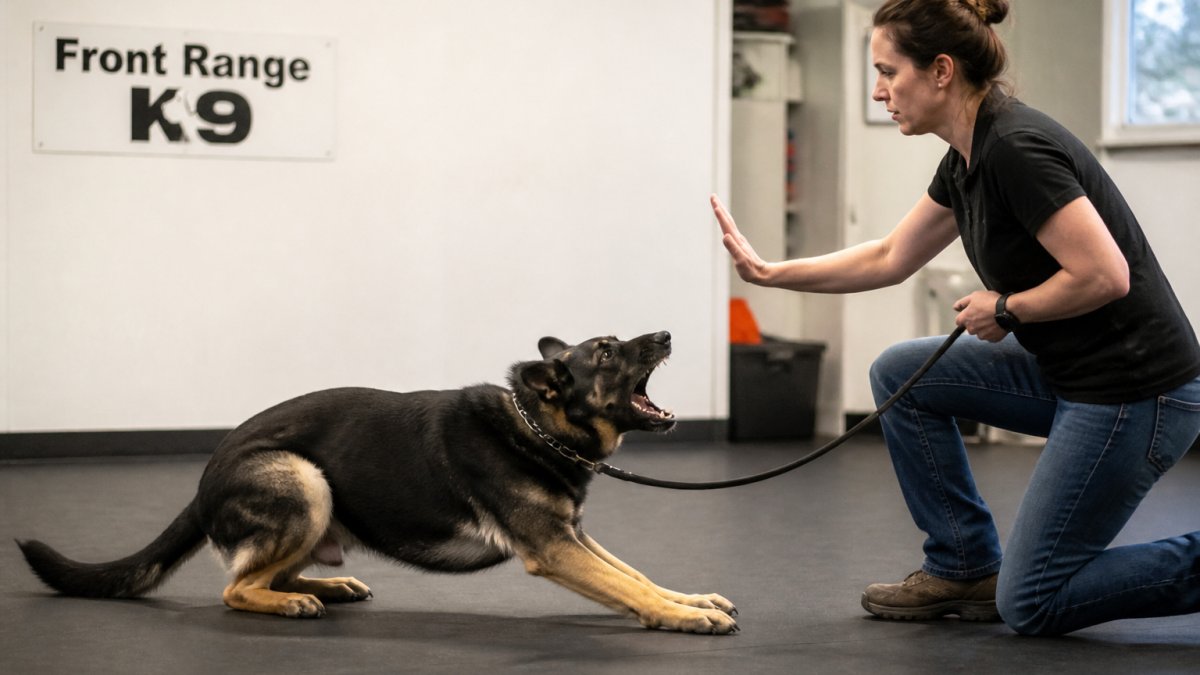
Older dogs sometimes need a different approach than puppies, since they may have ingrained habits to unlearn or negative experiences that affect how they respond. This is where experienced trainers make the real difference. Beyond common behavioral challenges, specialized training can address specific concerns, for example, snake avoidance dog training helps dogs recognize and avoid dangerous wildlife, a valuable skill for dogs of any age living in or visiting areas where snakes are present.
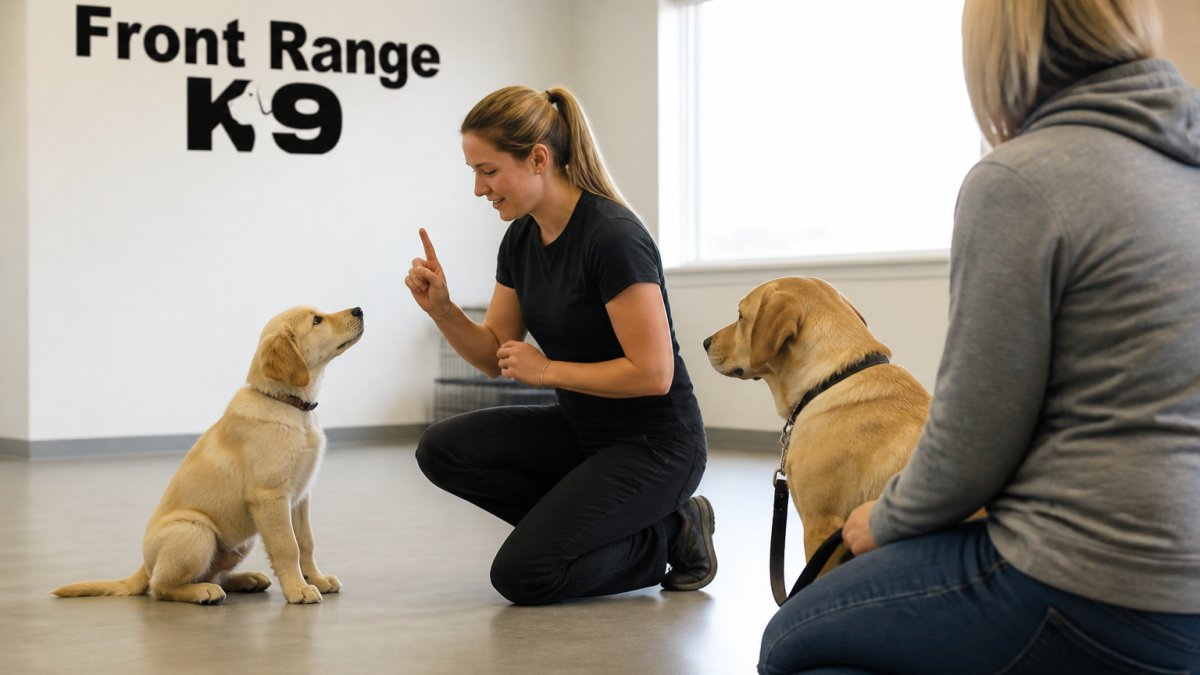
The best age to start dog training is whenever you decide to begin. Early training prevents problems; adult training solves them. At Front Range K9 Academy, we help owners at every stage, from puppies to adolescents to senior dogs. If your dog struggles with pulling, jumping, or reactivity, our proven methods deliver real-world obedience and the freedom you want on walks. Book your Temperament Test and Training Session today to see how we can help your dog succeed.
Frequently Asked Questions
What is the best age to start training a puppy?
Puppies can begin learning basic obedience and good behavior from around 8 weeks old. This is when they develop the ability to retain information effectively. However, dogs of any age can learn. Professional trainers often recommend starting formal training between 4-6 months when puppies have developed better focus and impulse control. The key is consistency and age-appropriate training sessions tailored to your dog's developmental stage.
Can you train an old dog, or is it too late?
It's never too late to train a dog. Older dogs and senior dogs can absolutely learn new behaviors and skills with consistent practice. Many owners find that adult dogs benefit significantly from training because they often have better focus than puppies. Whether your dog is 5 years old or 10 years old, professional training can address long-standing behavioral issues like pulling on the leash, barking, or jumping. The American Kennel Club confirms that dogs of any age can develop good behavior with the right approach.
How long does it take to train a dog?
Training timelines vary based on the dog's age, the specific behaviors you're addressing, and your consistency with practice. Puppies may show progress within a few weeks, while adult dogs working through established habits might need several months. Age-appropriate session lengths matter: puppies benefit from shorter, frequent sessions, while older dogs can handle longer training periods. Progress depends on your commitment between sessions. A professional trainer can assess your dog's needs and provide a realistic timeline during an initial consultation.