 how-to
Why My Dog Won't Listen to Commands: 5 Real Reasons
Table of Contents
- Why My Dog Won't Listen to Commands: Common Causes
- When Your Dog Listens at Home but Not Outside
- Why Your Dog Suddenly Not Listening
- Frequently Asked Questions
Last Updated: October 6, 2026
Why My Dog Won't Listen to Commands: Common Causes
Your dog knows the command, yet ignores you the moment you ask.
This happens to almost every owner, and your dog isn't being stubborn. The issue is usually education, not attitude: your dog may be confused, distracted, scared, or lacks a strong habit.
At Front Range K9 Academy, we've worked with thousands of dogs that wouldn't listen to commands. The reasons fall into a few clear categories, and knowing which applies changes the fix.
Why your dog won't listen to commands usually comes down to one of these:
- Not enough practice to build the habit
- Distractions stronger than your training motivation
- The command isn't clear or consistent across handlers
- Your dog is overstimulated or past their learning threshold
- Reinforcement isn't strong enough for the situation
A dog that listens perfectly indoors may ignore commands outside. That's not disobedience, it's a skill that hasn't transferred yet.
When Your Dog Listens at Home but Not Outside
Dogs that listen indoors but ignore commands outside face a generalization problem. Your dog learned the command in a controlled space; the outdoor world is chaos by comparison.
Outside, arousal levels spike. When a dog is overstimulated or over threshold, focus drops dramatically, they're not choosing to ignore you, they're struggling to process your voice over everything else.
Outdoor training is a separate skill: your dog needs impulse control and attention in distracting environments, not just your living room.
Consistency across handlers matters too: mixed signals between handlers prevent a reliable rule from forming.
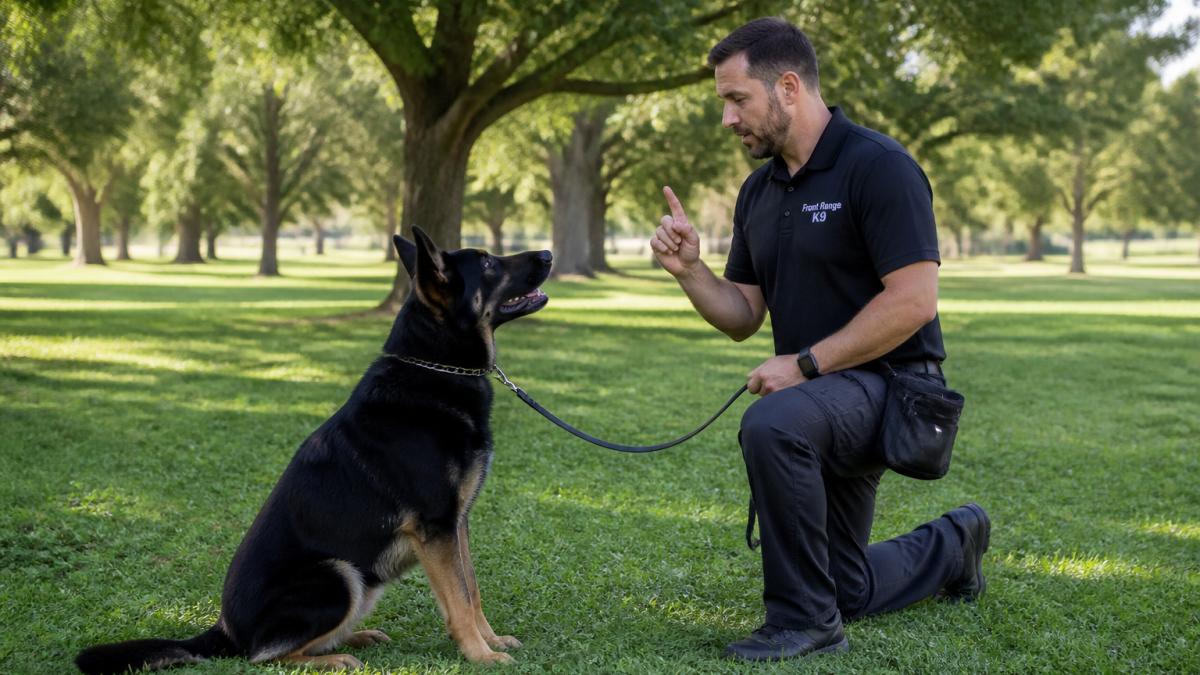
Why Your Dog Suddenly Not Listening
When a dog that used to listen suddenly stops, something has changed. It's rarely that your dog "forgot" the command overnight.
Book your Temperament Test & Training Session →
Age matters. Adolescent dogs (roughly 6-18 months old) often seem to lose mastered training as their brains rewire and impulse control drops, normal, not failure.
Health issues can also cause sudden changes. Pain, hearing loss, or other medical problems might explain why your dog seems to ignore commands, so a vet check rules this out first.
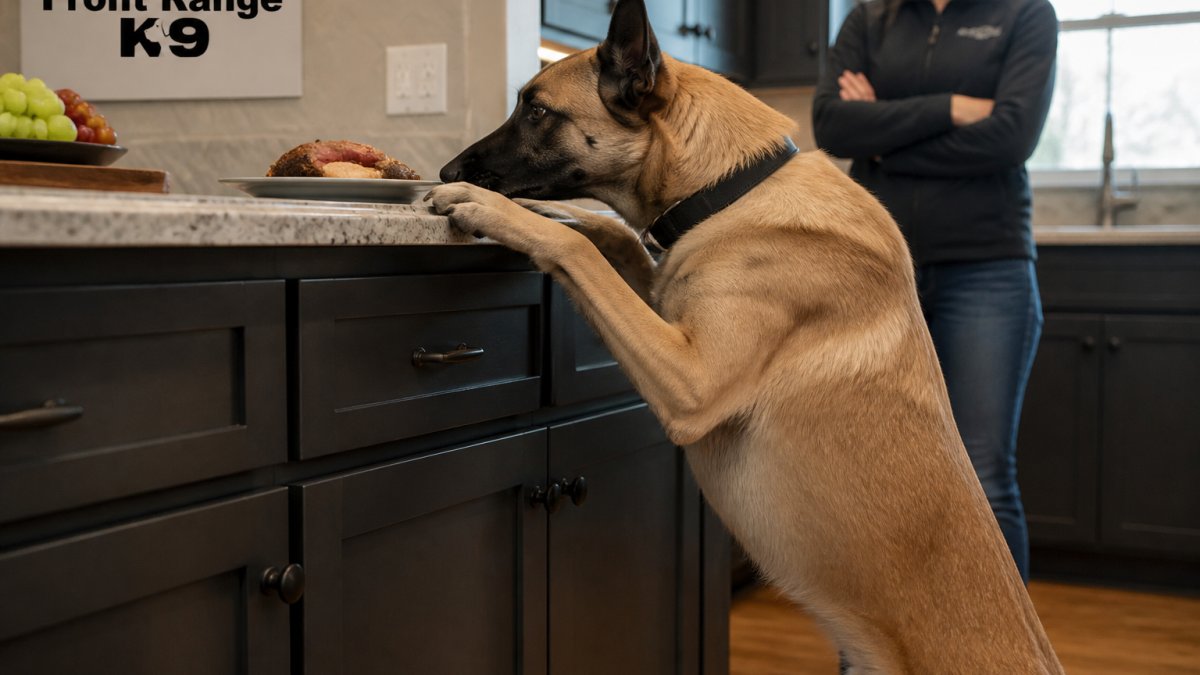
Inconsistency is another culprit. If your household stopped practicing or sometimes lets your dog ignore commands, that teaches your dog the command is optional. Dogs learn rules from what actually happens, not what you intended.
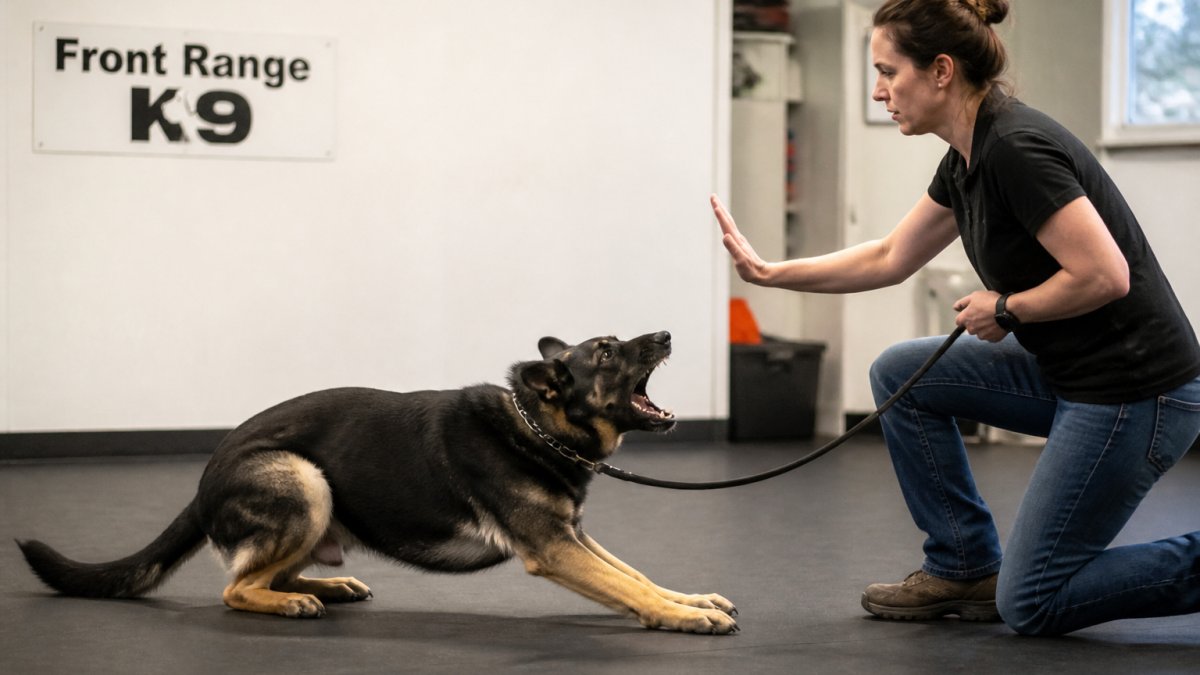
Stress or fear can trigger sudden changes too. A scary experience, loud noise, or confrontation with another dog can shift how your dog responds. Your dog may be reacting to anxiety, not disobedience. Environmental hazards, like encountering a snake, can also create lasting fear responses that interfere with listening and obedience, which is why specialized training like snake avoidance dog training addresses both safety and behavioral recovery in dogs exposed to these threats.
The key is identifying what changed: a routine shift, someone no longer enforcing the command, age, or a scary event. Pinpointing the change usually points to the fix.
Your dog's listening problem is solvable. It takes understanding what's actually happening, not assuming your dog is stubborn or broken. Front Range K9 Academy specializes in diagnosing exactly why your dog won't listen to commands and building real-world obedience that works in every environment. Our 36+ years of experience training over 10,000 dogs means we've seen every version of this problem and know how to fix it. Book your Temperament Test and Training Session to get a clear plan tailored to your dog's specific situation.
Frequently Asked Questions
Why does my dog listen at home but ignore commands outside?
When your dog listens at home but not outside, the shift in environment often triggers a change in focus and engagement. Outdoor settings introduce competing stimuli, other dogs, wildlife, sounds, and smells, that pull your dog's attention away from you. Additionally, indoor training typically occurs in a controlled, familiar space where your dog has practiced commands repeatedly. Outside, your dog faces new distractions and may experience heightened arousal, making previous learning feel unreliable. Consistency across different environments and gradual exposure to distractions can help bridge this gap.
Can my dog's age or health affect how well it responds to commands?
Yes, age and health significantly impact a dog's ability to listen and respond. Puppies have shorter attention spans and are still developing impulse control, while senior dogs may experience hearing loss, cognitive decline, or pain that reduces their responsiveness. Health conditions like ear infections, thyroid problems, or neurological issues can also impair hearing or cause confusion. If your dog suddenly stops listening after previously reliable obedience, a veterinary checkup is important to rule out underlying medical causes before attributing the change to behavioral issues alone.
Why does my dog listen to one person but not another?
Dogs often respond more reliably to certain handlers because of differences in consistency, tone, timing, and engagement. One handler may use clearer verbal cues, more predictable body language, or better timing with reinforcement, while another may be less consistent or less confident in their delivery. Dogs are sensitive to these nuances and learn to respond more readily when they can predict the outcome. Household consistency, where all handlers use the same cues and expectations, is crucial for building reliable obedience across different people.