 ultimate-guide
Dog Training for Adolescent Dogs: A 2026 Guide
Table of Contents
- What Defines the Adolescent Stage in Dogs?
- Why Dog Training for Adolescent Dogs Differs from Puppy Training
- How Professional Dog Obedience Training Addresses the Teenage Phase
- Frequently Asked Questions
Last Updated: September 9, 2026
What Defines the Adolescent Stage in Dogs?
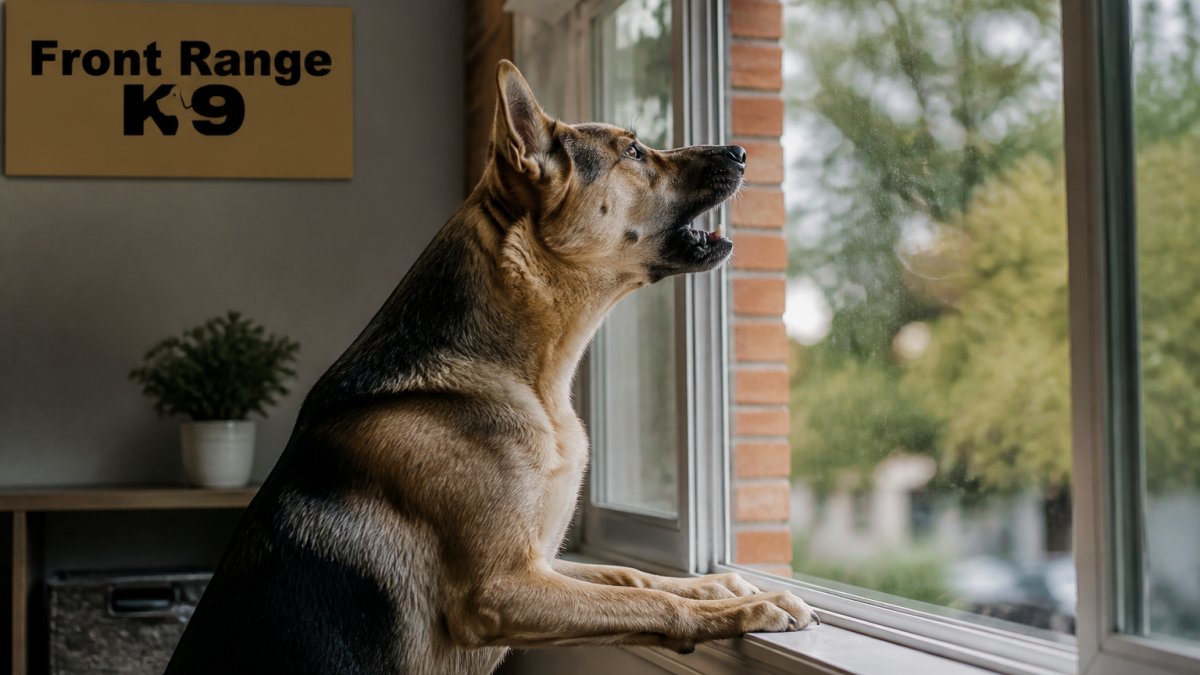
Adolescence in dogs is the transitional period between puppyhood and social maturity, typically beginning around 6 months and extending through 24 months, depending on breed and size. This stage brings hormonal changes, rapid growth, and renewed boundary-testing. Research from Newcastle University's study on adolescent dog behavior identifies distinct adolescent behavior characterized by increased conflict, similar to human teenagers.
The 6-10 month range accounts for roughly 50% of professional training inquiries, according to Level Up [Dog Training(https://www.frontrangek9noco.com/snake-avoidance)'s client demographic analysis | levelupdogtraining.com]. Owners who sailed through puppyhood suddenly face a dog that ignores commands, bolts through doors, and regresses on house training.
Why Dog Training for Adolescent Dogs Differs from Puppy Training
Dog training for adolescent dogs requires a different approach than puppy training because the brain, body, and motivation are all in flux. Puppies are learning sponges; adolescents test which behaviors matter.
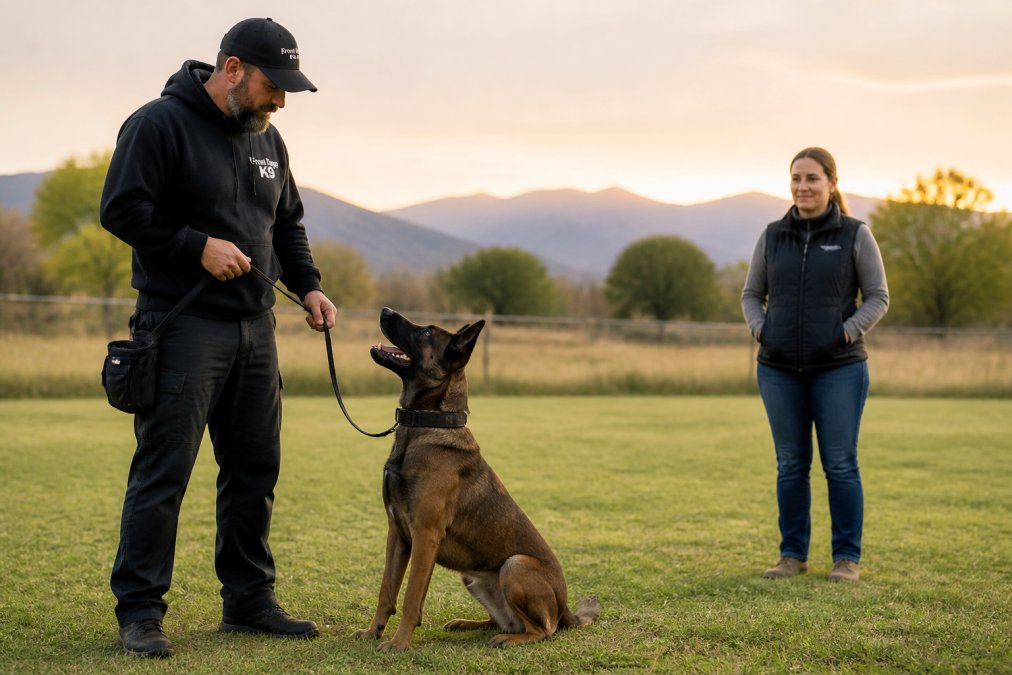
Cornell University's College of Veterinary Medicine advises that adolescent dogs require consistent routines and structured activities to manage changes between 6 and 24 months, as documented by the Riney Canine Health Center. This isn't about repeating puppy drills with a bigger dog, it's about rebuilding engagement, impulse control, and reliability in a brain that is actively rewiring.
Adolescent training must also address regression directly. Total owner-reported behavior concerns were lower among dogs that received adolescent or adult training, according to research published through ScienceDirect's canine behavior study (Dinwoodie, I.R.).
How Professional Dog Obedience Training Addresses the Teenage Phase
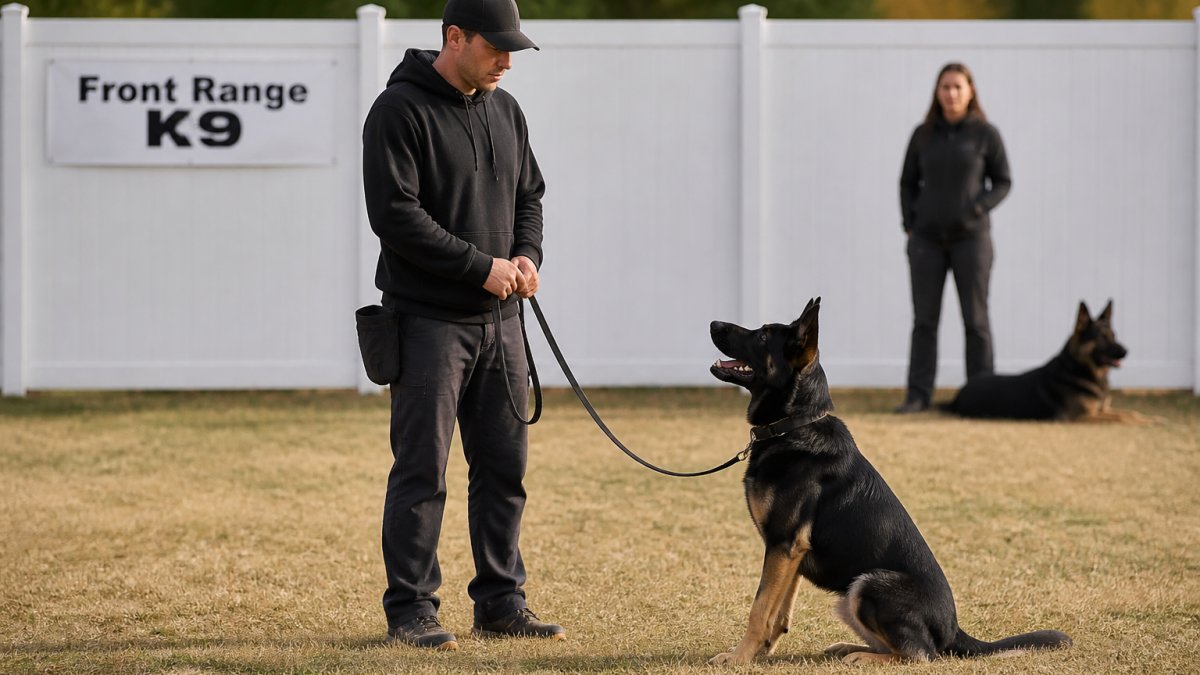
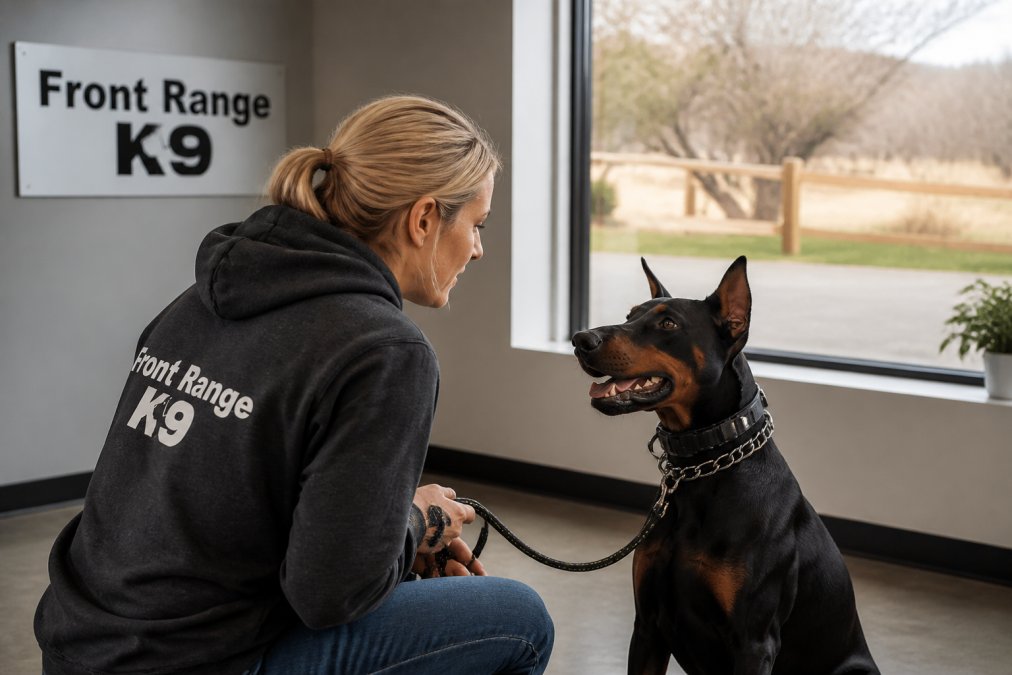
Professional dog obedience training provides the structure, objectivity, and consistency teenage dogs need when owner frustration runs high. A skilled trainer acts as a neutral third party who designs a routine without emotional baggage.
Adolescent dogs require practice in calmness and settling rather than just increased physical activity to manage arousal levels, notes the Service Dog Training Institute. Many owners respond to adolescent energy with more exercise, but the real need is structured mental stimulation and controlled engagement that builds handler focus.
Book your Temperament Test & Training Session →
Clear rules and predictable schedules reduce confusion and increase security in teenage dogs, according to Hallie Hill Animal Sanctuary's behavioral guidance. Professional programs excel at establishing these frameworks because they remove guesswork for both dog and owner.
Adolescent dog regression is normal but doesn't have to be permanent. Training attendance often drops as dogs age, yet adolescence is when intervention can deliver significant returns.
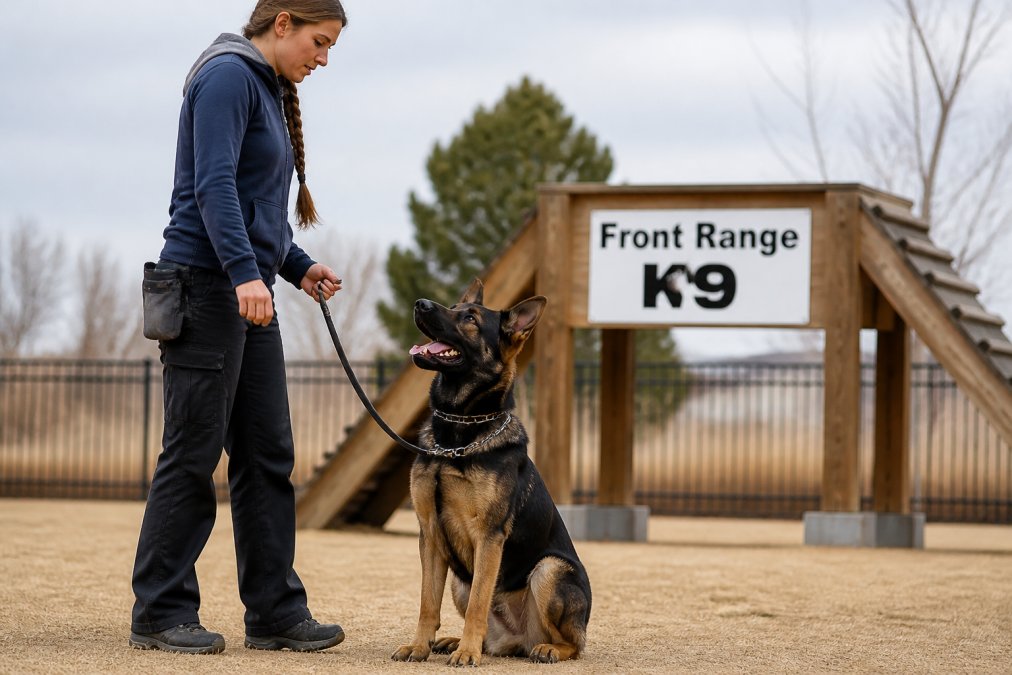
Working with an experienced provider makes this phase faster and less frustrating. Front Range K9 Academy brings over 36 years of experience and has trained more than 10,000 dogs and owners. For adolescent dogs with high prey drive or outdoor exposure, snake avoidance dog training is also offered to address safety concerns that emerge as these dogs gain more freedom and independence.
Adolescence tests every owner's patience, but it's also where good training compounds into a lifetime of reliability. With structured professional guidance, your teenage dog can emerge as a focused, dependable companion. Book your Temperament Test & Training Session with Front Range K9 Academy.
Frequently Asked Questions
What are the signs of adolescent regression in dogs?
Adolescent regression often appears as a sudden loss of previously learned skills. Your dog may ignore a reliable recall, pull on the leash, or forget house training. This typically occurs between 6 and 24 months of age as hormonal changes and brain development create a period of boundary-testing. Consistent routines and structured activities are essential during this phase to help your dog feel secure and re-establish good habits.
At what age does the adolescent phase typically begin and end?
The adolescent phase in dogs generally begins around 6 months of age and can last until 24 months, depending on the breed and individual dog. This teenage stage is marked by increased independence and testing of boundaries. The 6-10 month age range accounts for a significant portion of client inquiries for professional dog training, as owners notice behavioral challenges emerging. Structured training during this period builds a foundation for lifelong obedience.
Why does my previously trained dog seem to forget everything?
This is a hallmark of the adolescent stage. Research from Newcastle University found that adolescent dogs, like human teenagers, experience a period of increased conflict and boundary-testing. This isn't a failure of your previous training, but a natural developmental phase. Professional dog obedience training can help you navigate this period by providing consistent strategies and clear communication. With the right approach, your dog will emerge from this phase with stronger, more reliable behaviors.