 ultimate-guide
Why Dogs Bark at Outside Noises: A Guide
Table of Contents
- Why Dogs Bark at Outside Noises
- How to Manage Reactive Dog Barking
- Professional Dog Behavior Assessment
- Frequently Asked Questions
Last Updated: September 29, 2026
Why Dogs Bark at Outside Noises
Dogs bark outside noises for deeply rooted reasons tied to their biology and evolutionary history. Understanding why your dog reacts this way is the first step toward managing the behavior effectively. According to the University of Illinois College of Veterinary Medicine, common behavioral prompts for barking include social reasons, such as responding to other dogs, and territorial reasons. At Front Range K9 Academy, we've worked with many dogs exhibiting this exact behavior, and the patterns are consistent across breeds and ages.
When your dog barks at outside noises, several mechanisms are at play. Alert barking, where a dog responds to any sound regardless of context, often involves stiffer body language, according to the ASPCA, signaling heightened alertness rather than playfulness. Sound sensitivity has become increasingly recognized as a primary driver for reactive barking, with behavioral experts categorizing it as a common canine behavior problem requiring thoughtful management.
Barking is an essential, natural function for dogs, humans have selectively bred them for thousands of years to alert bark. The effective approach recognizes barking as communication rather than a problem to eliminate entirely, which shapes how you respond to the behavior.
How to Manage Reactive Dog Barking
Managing reactive barking starts with environmental management and understanding your dog's specific triggers. Evidence-based approaches help dogs build impulse control around stimuli and develop different emotional responses over time.
Mental stimulation and exercise play critical roles in managing excessive barking. Environmental enrichment, puzzle toys, and varied experiences reduce boredom-driven reactivity. Consistency matters, dogs thrive on predictable routines and clear expectations about when barking is appropriate.
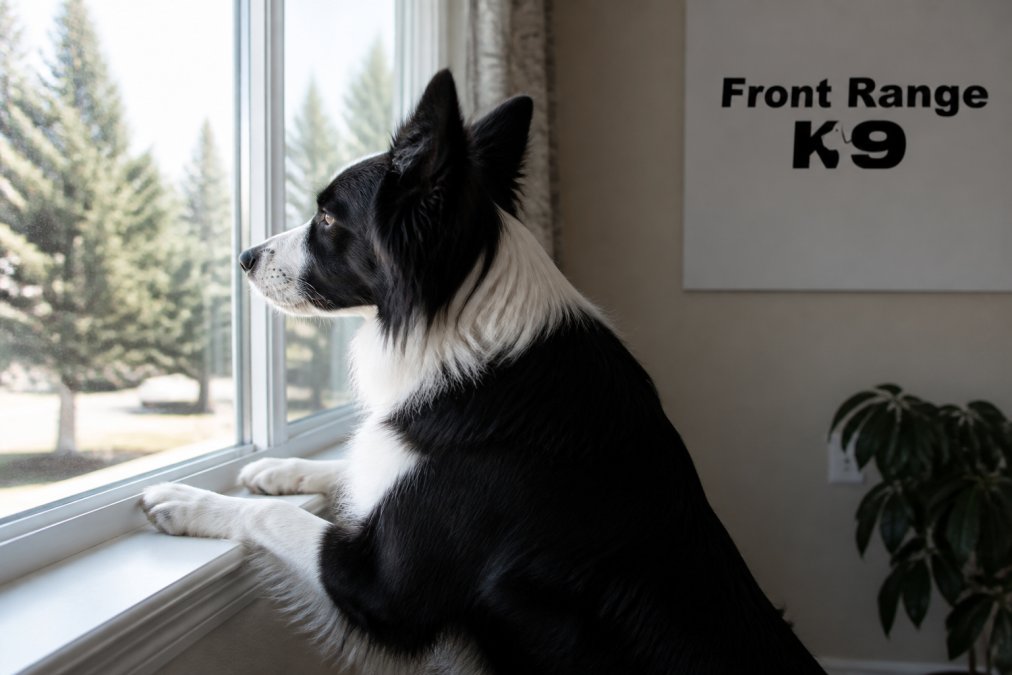
Managing window access reduces triggering events and gives your dog's nervous system a break. Habituation through repeated exposure can help some dogs become less reactive over time, though individual temperament plays a significant role.
Professional Dog Behavior Assessment
When barking persists despite your management efforts, professional assessment becomes valuable. A qualified trainer can distinguish between alert barking, anxiety-driven barking, fear-based behavior, and other underlying causes, distinctions that matter because each responds to different approaches. Dog Gone Problems emphasizes that sound sensitivity requires targeted management tailored to your individual dog's threshold and temperament.
Book your Temperament Test & Training Session →
A veterinary check-out rules out medical issues like hearing changes, pain, or neurological factors. Once medical causes are excluded, a professional trainer can assess your dog's specific triggers and develop a customized management plan. Beyond general sound sensitivity, specialized training programs like snake avoidance dog training demonstrate how targeted assessment can address specific environmental hazards and reactivity patterns, offering insight into how professional evaluation shapes individualized responses.
Effective trainers work with your dog's temperament rather than against it, building on existing strengths while addressing specific behavioral challenges through proven methods that help manage dogs bark outside noises with tailored responses.
Frequently Asked Questions
How can I stop my dog from barking at noises outside?
Managing reactive barking involves several approaches. Environmental management, such as closing windows or using white noise, reduces exposure to triggering stimuli. Desensitization and counter-conditioning help your dog build tolerance to sounds over time. Increasing mental stimulation and exercise addresses boredom-driven barking. A professional dog behavior assessment identifies the specific triggers and underlying causes, allowing for a tailored management plan that works for your dog's temperament and age.
Is alert barking a sign of anxiety in dogs?
Alert barking and anxiety-based barking are different. Alert barking is a natural instinct, dogs have been selectively bred for thousands of years to alert bark and warn of potential threats. Dogs engaged in alarm barking typically exhibit stiffer body language and bark at any noise regardless of context. Fear-based barking, by contrast, stems from anxiety and may include other signs like trembling or avoidance. A professional assessment helps distinguish between these behaviors so you can address the actual cause.
What makes professional training different from managing barking on my own?
Professional dog behavior assessment goes beyond general advice. Trainers evaluate your dog's specific triggers, temperament, and response patterns to create a customized plan. They teach you how to implement management strategies consistently and help you recognize subtle behavioral shifts that indicate progress. With over 36 years of experience training more than 10,000 dogs, professional trainers understand breed-specific predispositions and can rule out medical issues that might contribute to excessive barking.
When outside noises trigger constant barking, the stress affects your entire household. Front Range K9 Academy's professional trainers have spent over 36 years helping dogs and owners navigate exactly this challenge, working with dogs of any age, size, or breed to achieve manageable, predictable responses to environmental triggers. Book your Temperament Test & Training Session to get a personalized assessment and proven strategy tailored to your dog's specific needs.