 ultimate-guide
How to Find Professional Trainers: A 2026 Guide
Table of Contents
- What to Look for When Finding Professional Trainers
- Evaluating Dog Trainer Credentials and Specialization
- Hiring a Dog Trainer Checklist and Trial Session
- Frequently Asked Questions
Last Updated: September 19, 2026
What to Look for When Finding Professional Trainers
Finding the right professional trainer is essential to addressing your dog's behavioral challenges effectively.
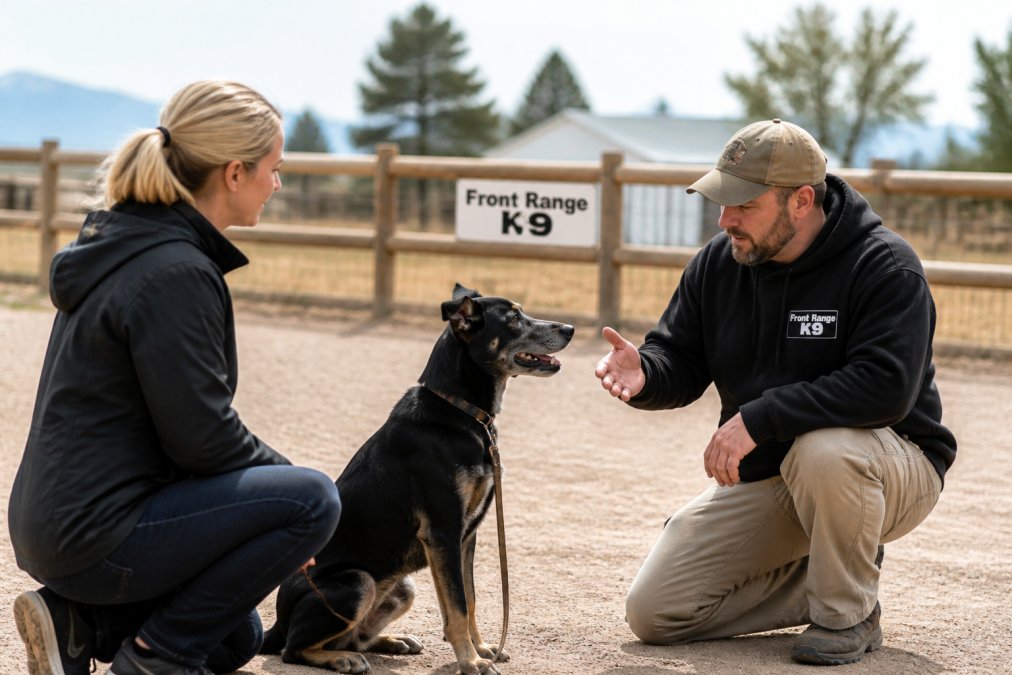
A qualified trainer should have documented experience, proper credentials aligned with your goals, liability insurance, and membership in recognized industry organizations. Request a trial session to assess their approach.
Evaluating Dog Trainer Credentials and Specialization
Genuine credentials come from accredited certification programs; verify membership in professional organizations like the International Association of Canine Professionals directly. Ask about their experience with your dog's age, size, breed, and specific behavioral challenges. If your dog faces particular environmental concerns, such as a tendency to encounter wildlife, look for trainers who specialize in those areas, like snake avoidance dog training.
Hiring a Dog Trainer Checklist and Trial Session
Schedule a trial session to assess the trainer's approach and whether you're comfortable with their methods.
| Evaluation Criteria | What to Assess | Red Flags |
|---|---|---|
| Credentials | Accredited certification, professional membership | No formal training, defensive about background |
| Experience | Years training dogs, specific behavioral specialization | Vague about experience, limited case examples |
| Communication | Clear explanation of methods, willingness to answer questions | Refuses to explain approach, dismissive of your concerns |
| Trial Session | Dog responds positively, trainer shows patience and skill | Your dog seems stressed, trainer is rushed or impatient |
| References | Willing to provide client testimonials or case studies | Refuses references, no verifiable client feedback |
| Professional Liability | Has insurance coverage for their services | No insurance, unclear about liability protection |
Observe how the trainer interacts with your dog and explains their methods. Ask about cancellation policy, session duration, and progress measurement. Professional trainers give realistic expectations and explain your role in reinforcing training at home.
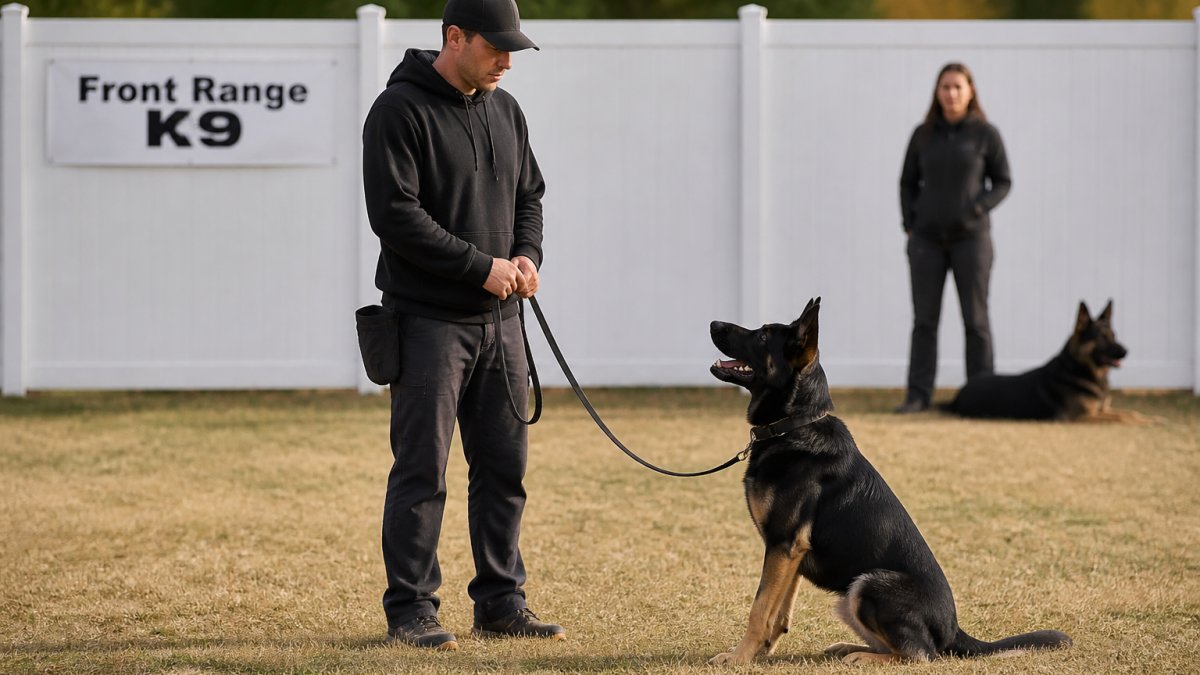
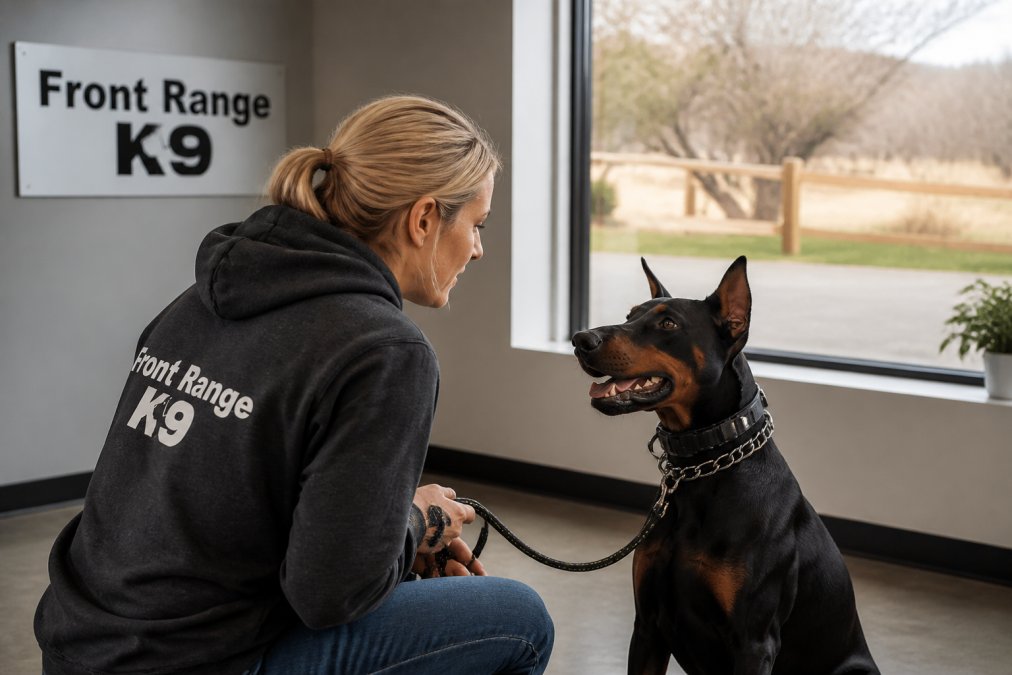
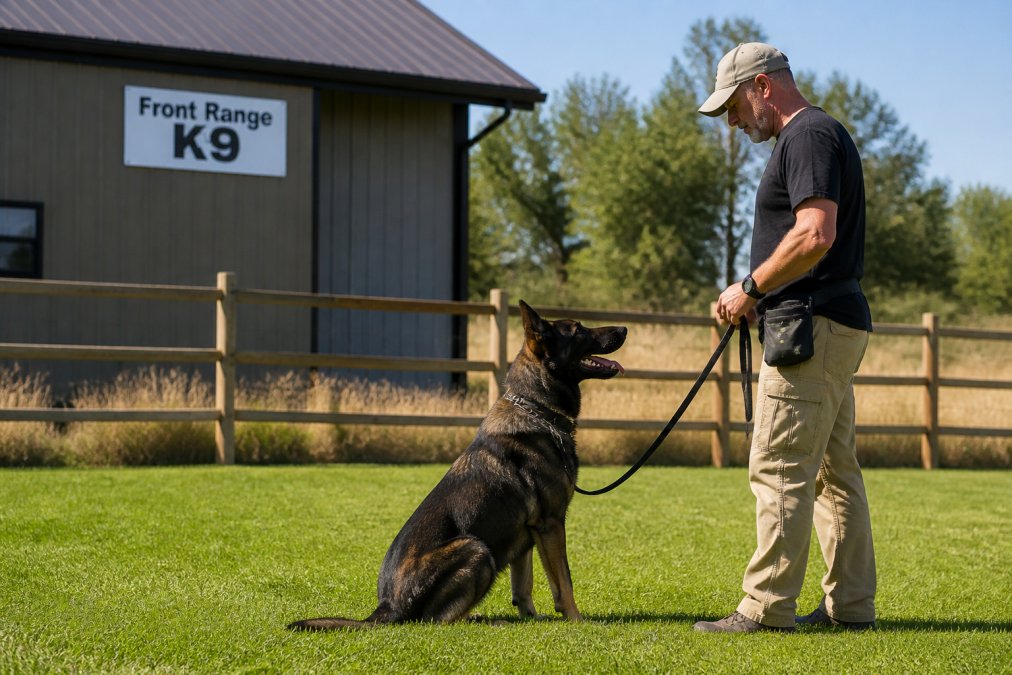
Front Range K9 Academy brings over 36 years of professional dog training experience, with a track record of training more than 10,000 dogs and owners. They offer private sessions tailored to individual needs and maintain membership in the International Association of Canine Professionals.
Frequently Asked Questions
What qualifications should I look for in a professional dog trainer?
Look for trainers who hold accredited certifications from recognized organizations, have verifiable professional liability insurance, and demonstrate years of hands-on experience. Ask about their training philosophy, whether they've worked with dogs similar to yours, and request references from past clients. A qualified professional trainer should be transparent about their methods and willing to discuss how they'll address your dog's specific behavioral needs.
How can I verify a trainer's experience with aggressive dog training?
Ask the trainer directly about their experience with aggressive dog training cases. Request specific examples of dogs they've worked with and the outcomes. Check client testimonials and reviews that mention behavioral issues similar to yours. A trainer experienced in aggressive dog training should be able to explain their assessment process, discuss realistic timelines, and outline how they'll ensure safety during sessions.
What should I expect from a hiring a dog trainer checklist?
Your checklist should include verifying credentials and certifications, confirming professional liability insurance, reviewing client testimonials, asking about their training philosophy, understanding their assessment process, discussing pricing and session frequency, and scheduling a trial session or initial consultation. This systematic approach helps you compare trainers objectively and identify red flags before committing to a training program.
When you're ready to find professional trainers who can deliver real results, focus on verifiable credentials, relevant specialization, and direct communication about methods and expectations. A trial session or initial consultation is your best opportunity to assess whether a trainer is the right fit for your dog. Book your Temperament Test & Training Session with Front Range K9 Academy to see how professional training can transform your dog's behavior and strengthen your relationship.