 ultimate-guide
Best Dog Training Methods for Reactivity in 2026
Table of Contents
- Leash Reactivity Training: Why Mixed Methods Work
- Dog Reactivity Triggers and Professional Behavior Modification
- Managing Reactive Dog Walks: Tools, Distance, and Owner Calm
- Why Punishment Alone Fails and What Science-Backed Methods Do Differently
- Essential Training Tools and Gear for Reactive Dogs
- Indoor vs. Outdoor Training Protocols
- The Role of Physical Health in Reactivity
- Emergency Exit Strategies and Owner Emotional Regulation
- What Professional Training Adds That DIY Cannot
- The Best Dog Training Methods for Reactivity: A Comparison
- Frequently Asked Questions
Last Updated: September 28, 2026
Leash Reactivity Training: Why Mixed Methods Work
Leash reactivity training changes how a dog responds to triggers like other dogs, strangers, or vehicles while leashed. The best dog training methods for reactivity combine more than one approach, because no single technique fits every dog. According to Alan's K9 Academy's 2026 guide to leash reactivity, over 70% of owners seeking professional help had already tried treat-based methods that proved insufficient.
Dog Reactivity Triggers and Professional Behavior Modification
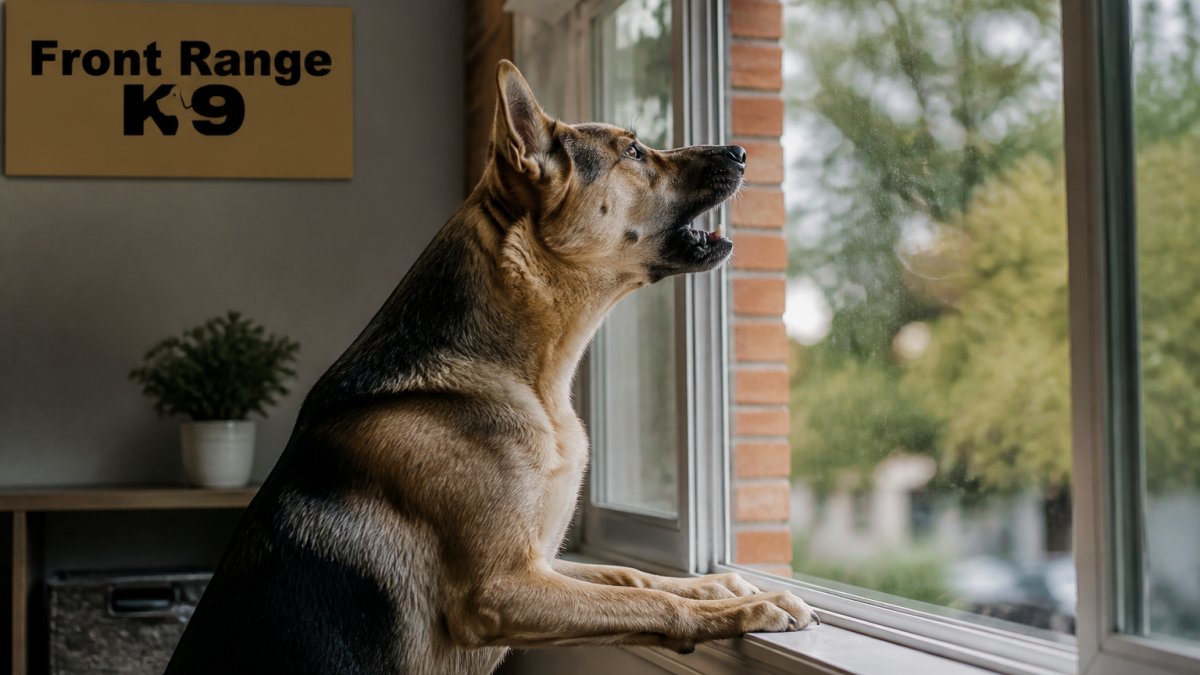
Dog reactivity triggers are the sights, sounds, and situations that push a dog past its coping threshold, other dogs, delivery workers, cyclists, sudden noises. Bark Busters' 2026 National Dog Behavior Analysis identified reactivity, barking, and separation anxiety as the top issues owners bring to professionals. Professional dog behavior modification starts with identifying why the dog reacts: fear-based reactivity looks different from frustration-based reactivity, and the plan changes accordingly.
| Reactivity Type | Typical Trigger | What the Dog Is Feeling | Training Focus |
|---|---|---|---|
| Fear-based | Strangers, loud noises | Anxiety, self-defense | Distance management, calm exposure |
| Frustration-based | Dogs behind fences, leashed playmates | Blocked access, excitement | Impulse control, engagement |
| Leash frustration | Other dogs on walks | Restriction, arousal | Leash handling, arousal levels |
Managing Reactive Dog Walks: Tools, Distance, and Owner Calm
Managing reactive dog walks comes down to three levers: the right gear, controlled distance, and a composed handler. Distance management is the most underrated tool: staying under threshold, where a dog can still think, keeps every walk a training opportunity. Trigger stacking, where several stressors pile up in one outing, turns a manageable walk into a meltdown, and owner emotional regulation matters just as much, your dog reads your breathing, grip, and pace.
Why Punishment Alone Fails and What Science-Backed Methods Do Differently
Punishment alone fails because it suppresses the reaction without addressing the emotion underneath it, so the outburst often returns bigger. Professionals consistently identify positive reinforcement as a frequently used and effective approach, while noting reactivity and aggression are contexts where mixed methods trainers may add other tools for safety.
Essential Training Tools and Gear for Reactive Dogs
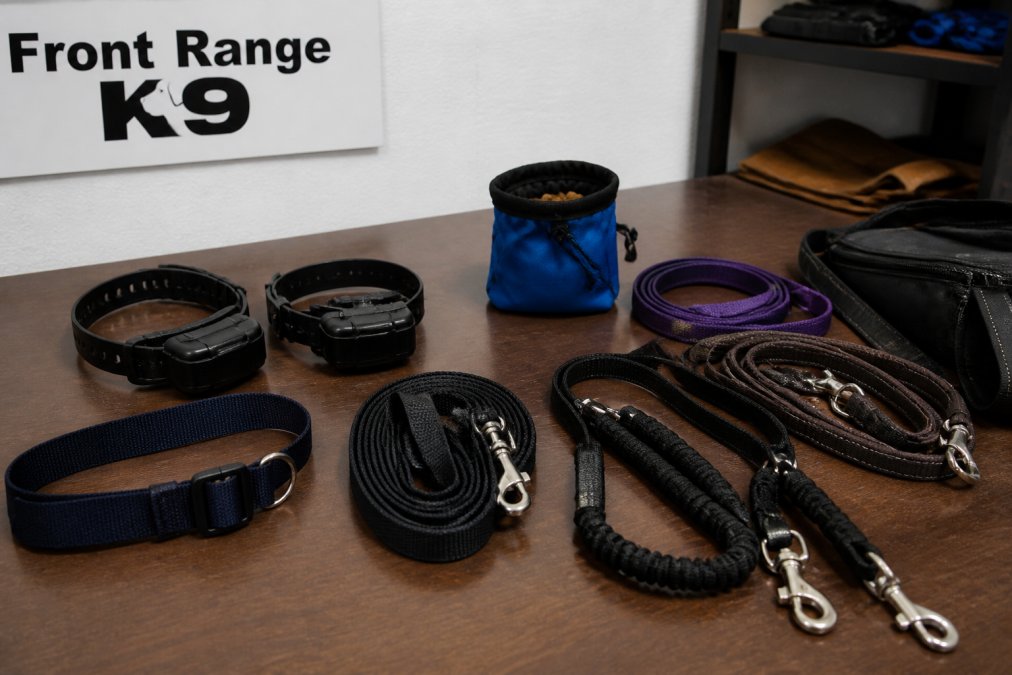
The right gear buys control and safety, not a shortcut. A well-fitted harness and a sturdy leash are core pieces many handlers rely on.
Indoor vs. Outdoor Training Protocols
Indoor and outdoor protocols serve different purposes, and strong programs use both: indoors, low distractions build focus and impulse control; outdoors, those skills are tested against real triggers at a safe distance.
The Role of Physical Health in Reactivity
Physical health shapes behavior more than most owners realize: pain, vision problems, thyroid issues, and even an ill-fitting harness can lower a dog's threshold. Before assuming a behavior problem, rule out a medical one.
Book your Temperament Test & Training Session →
Emergency Exit Strategies and Owner Emotional Regulation
High-arousal moments need a rehearsed plan, not improvisation. An emergency U-turn, a nearby driveway, or a parked car between you and the trigger all work as exits, and your own nervous system is part of the equipment.
What Professional Training Adds That DIY Cannot
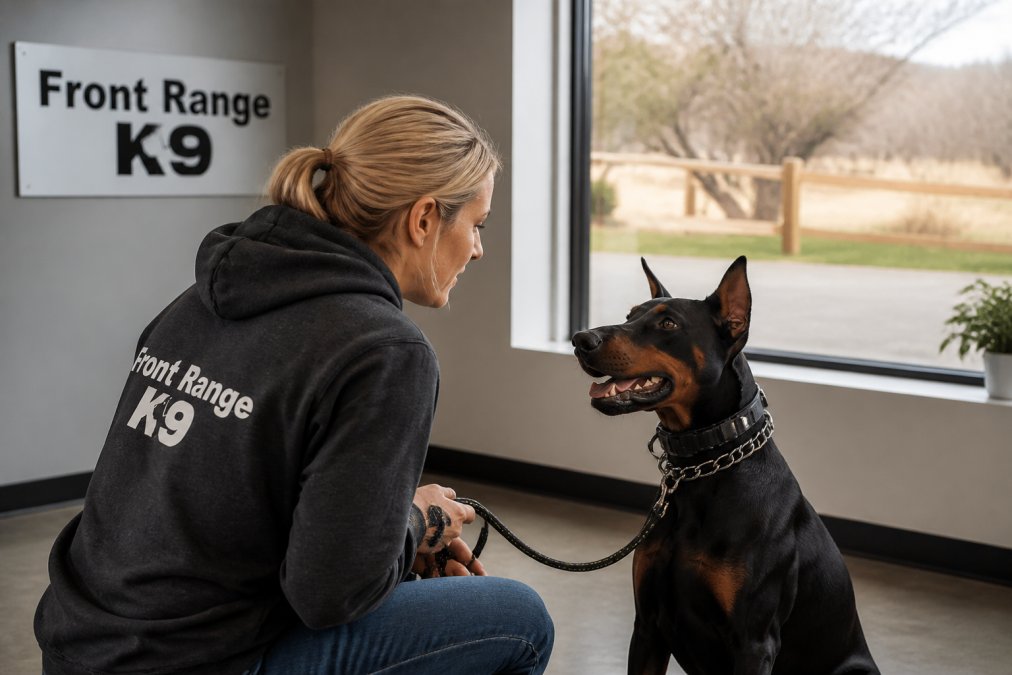
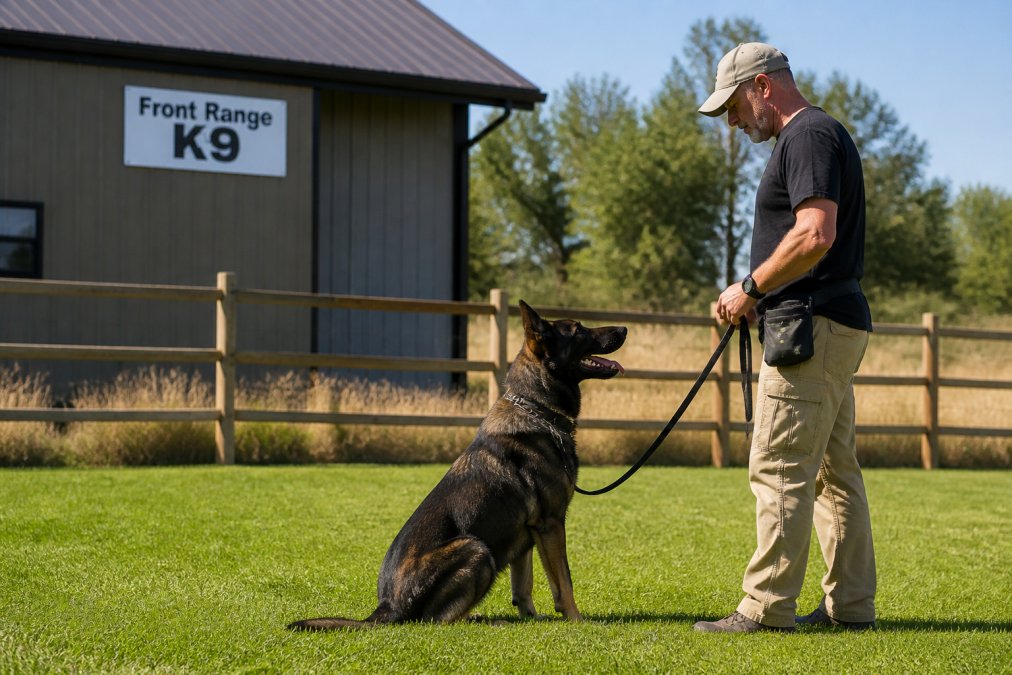
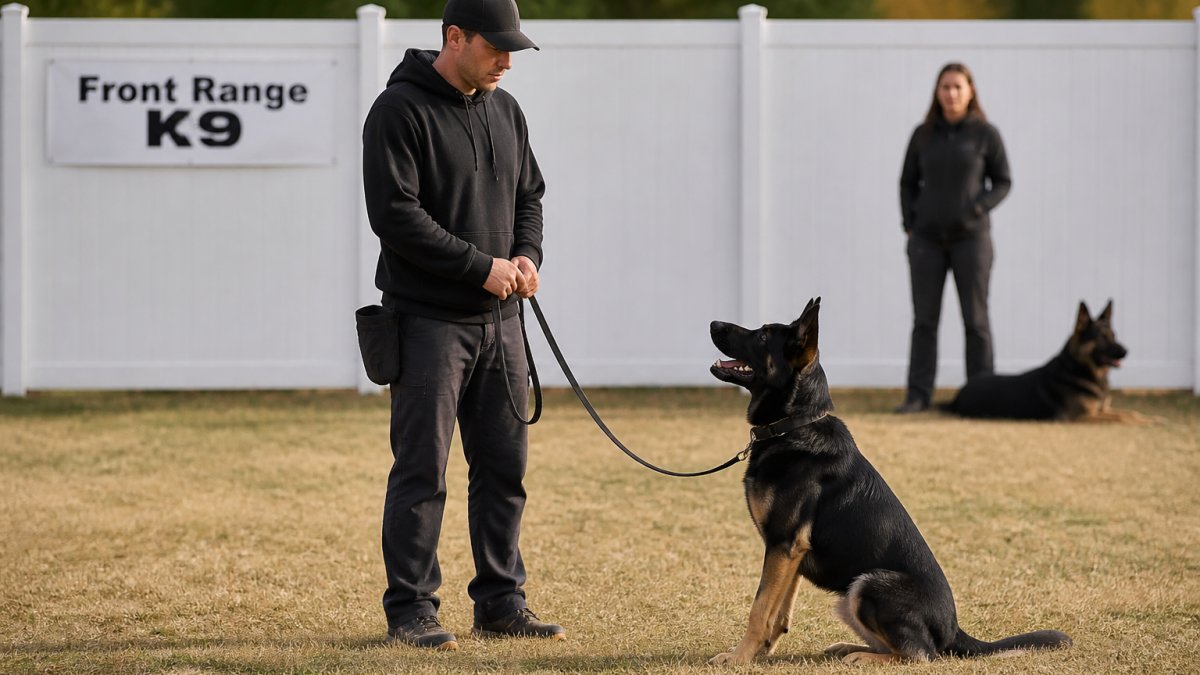
Professional training adds assessment, structure, and accountability: a trainer reads body language, calming signals, and arousal levels in real time and adjusts the plan on the spot. Front Range K9 Academy has trained more than 10,000 dogs and owners over 36 years and is a professional member of the International Association of Canine Professionals. For dogs that need specialized work, snake avoidance training is one example of how targeted sessions address specific hazards.
The Best Dog Training Methods for Reactivity: A Comparison
Different dogs need different starting points. Here's how the main approaches compare.
| Method | Best For | Main Strength | Main Limitation |
|---|---|---|---|
| Positive reinforcement | Most dogs, foundation work | Builds lasting calm behavior | May need support in high-stress settings |
| Counter-conditioning | Fear-based reactivity | Changes the emotional response | Requires precise timing |
| Mixed methods | Severe or complex cases | Tailored to the root cause | Requires professional guidance |
Frequently Asked Questions
Can reactivity be trained out of a dog?
Reactivity can be significantly reduced with the right approach, though it rarely disappears overnight. Reactivity is a top behavioral trend requiring professional intervention. Trainers emphasize that success depends on addressing the root cause, whether fear-based or frustration-based, using a consistent knowledge base. Professional dog behavior modification programs typically combine management strategies, threshold work, and counter-conditioning to produce lasting change.
What are the common signs of leash reactivity?
Common signs include lunging, barking, growling, stiff body language, and an inability to redirect attention once a trigger appears. Triggers often include other dogs, strangers, bicycles, or vehicles. Owners frequently notice their dog's arousal levels spike before the trigger is even visible. Recognizing these early calming signals and body language cues allows handlers to create distance before the dog crosses its threshold, which is a core principle of leash reactivity training.
How does professional guidance impact reactive behavior?
Professional trainers bring structured protocols and real-world experience that self-guided attempts often lack. Trainers emphasize effective approaches for managing reactivity, and many owners seeking help found various methods alone were insufficient. A professional assesses whether reactivity is fear-based or frustration-based, then builds a plan that includes environmental management, distance management, and consistent handling.
Reactivity is one of the hardest behaviors to work through alone, and the wrong plan can set a dog back months. Front Range K9 Academy brings 36 years of experience, more than 10,000 trained dogs, and organized programs built around real-world obedience and off-leash freedom. Book your Temperament Test & Training Session and get a plan matched to your dog's actual triggers.