 ultimate-guide
Canine Behavior Modification Techniques That Work
Table of Contents
- What Are Canine Behavior Modification Techniques?
- The Core Techniques Behind Successful Behavior Modification
- Addressing Dog Behavioral Issues Like Pulling and Barking
- Can You Train an Old Dog? What the Research Shows
- Frequently Asked Questions
Last Updated: September 4, 2026
What Are Canine Behavior Modification Techniques?
Canine behavior modification techniques are structured, science-based methods used to change a dog's emotional responses and unwanted habits, moving beyond basic obedience to address the root of the problem. At Front Range K9 Academy, we have spent over 36 years translating these concepts into real-world results.
The need is significant. A 2022 survey published in ScienceDirect's dog behavior modification practice survey found that 28.6% of unwanted behaviors recorded in behavior modification cases involve aggression toward other dogs or animals, while 14.01% involve fearfulness. These are not issues solved by a simple command.
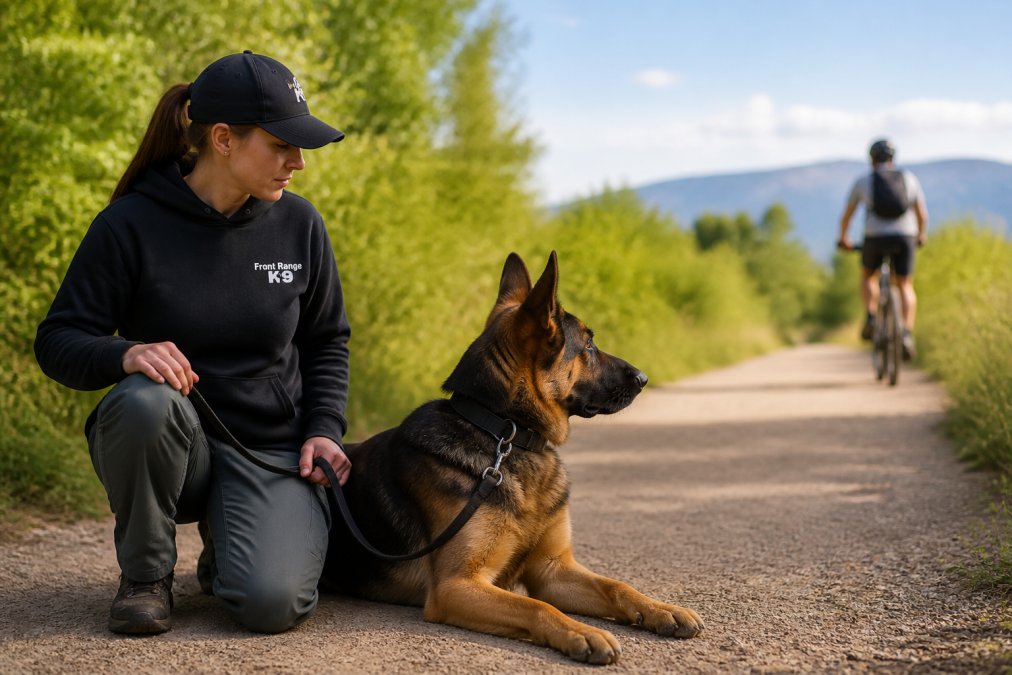
The Core Techniques Behind Successful Behavior Modification
Behavior modification relies on established learning principles: classical conditioning, which changes emotional associations, and operant conditioning, which changes voluntary behavior based on consequences.
The most effective protocols combine multiple approaches:
- Desensitization and counterconditioning - Gradually exposing a dog to a trigger at a low intensity while pairing it with a positive experience to change the emotional response.
- Habituation - Repeated, neutral exposure that reduces a reaction over time.
- Response substitution - Teaching an incompatible behavior that replaces the unwanted one.
- Extinction - Withdrawing the reinforcement that maintains a behavior so it fades.
Standardization of these techniques, including habituation, extinction, desensitization, and counter-conditioning, is now documented in the Merck Veterinary Manual's 2024 guidance. A key shift in the industry is the integration of environmental management alongside active modification, a trend noted by Chewy Education's 2025 industry analysis.
Addressing Dog Behavioral Issues Like Pulling and Barking
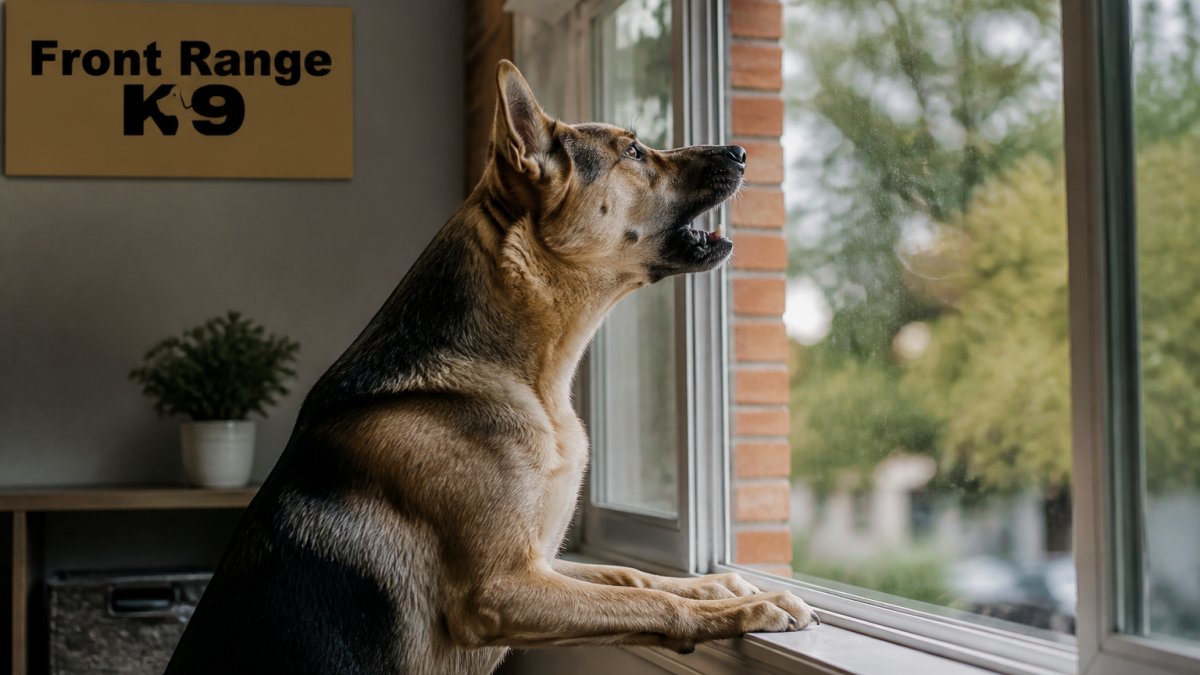
Addressing dog behavioral issues requires first identifying what the behavior achieves for the dog. Pulling on a leash usually works because it moves the dog toward something interesting. Barking often works because it makes the stimulus go away or brings attention.
The goal is not to suppress the behavior but to change the underlying motivation. A structured plan identifies the trigger, manages the environment, and works on the emotional response.
Research from the University of Bristol's 2019 study on owner perceptions examined how effective dog owners felt behavior modification techniques were in addressing behavioral issues. The findings reinforce that owner consistency and a clear plan matter more than the specific tool used.
Book your Temperament Test & Training Session →
Can You Train an Old Dog? What the Research Shows
Yes, you can train an old dog, and the research confirms that age is not a barrier to meaningful change. Behavioral issues in adult dogs are often deeply ingrained but highly responsive to structured modification.
The key difference with older dogs is patience and consistency. A 5-year-old dog that has pulled its entire life has had thousands of repetitions of that behavior. Replacing it takes time, but the neural pathways for new learning remain intact.
For complex cases, professional intervention is often the fastest route. Documented rehabilitation journeys, such as those from Instinct Dog Training's case studies, show successful outcomes for dogs with serious behavioral challenges. Similar success has been documented by the Pet Professional Guild in Barks Magazine, including a case involving a dog with obsessive-compulsive disorder, panic disorder, pica, and separation anxiety. For dogs whose reactions stem from specific environmental triggers, targeted programs like snake avoidance dog training can address a distinct and dangerous behavioral response before it becomes a crisis.
| Behavioral Issue | Primary Technique | Owner's Role | Typical Timeline |
|---|---|---|---|
| Aggression toward other dogs | Desensitization and counterconditioning | Trigger management on walks | Several months |
| Fearfulness | Counterconditioning, gradual exposure | Predictable routine, safe spaces | Several weeks to months |
| Pulling on leash | Response substitution | Consistent equipment and handling | 2-4 weeks of consistent practice |
If you are struggling with a dog that pulls, barks, or reacts, you do not have to figure it out alone. Front Range K9 Academy has trained more than 10,000 dogs and owners using proven, organized methods. Our private and group sessions are tailored to your dog's specific needs, and we are proud professional members of the International Association of Canine Professionals. Book your Temperament Test and Training Session today.
Frequently Asked Questions
What is the difference between behavior modification and basic obedience training?
Basic obedience teaches commands like sit, stay, and heel. Behavior modification changes a dog's emotional response to a trigger, addressing issues like fear, anxiety, or aggression at the root. For example, obedience might stop a dog from pulling temporarily, but behavior modification reduces the anxiety that causes the pulling. Professional dog training methods use techniques like desensitization and counterconditioning to change how a dog feels, creating lasting results rather than just temporary compliance.
Can you train an old dog using behavior modification techniques?
Yes. Age is not a barrier to learning. While an older dog may have long-standing habits, the brain remains capable of forming new associations. The key is consistency and using the right techniques. A structured behavior modification plan can help an older dog unlearn reactions like leash pulling or barking at other dogs. Professional programs often see success with older dogs because they are typically less distracted and more bonded with their owners than puppies.
How long does it take to see results from behavior modification?
There is no single timeline, as it depends on the issue's severity, the dog's history, and the consistency of the owner's follow-through. Some dogs show improvement in a few weeks, while deeply ingrained fears or aggression may take several months. The most important factor is consistent application of the plan. Progress is often measured in small steps, and tracking changes in your dog's reactions helps you and your trainer adjust the approach for the best outcome.
This article was written using GrandRanker