 blog
blog
Dog Behaviorist vs Professional Trainer: Key Differences
Table of Contents
- Defining the Roles: Dog Behaviorist vs Professional Trainer
- Dog Training Certification Standards and Professional Credentials
- Behavioral Modification vs Obedience Training: When to Choose Each
- Frequently Asked Questions
Last Updated: September 30, 2026
Defining the Roles: Dog Behaviorist vs Professional Trainer
When your dog pulls on walks, barks at guests, or shows anxiety, understanding the difference between a behaviorist vs professional trainer helps you hire the right expert.
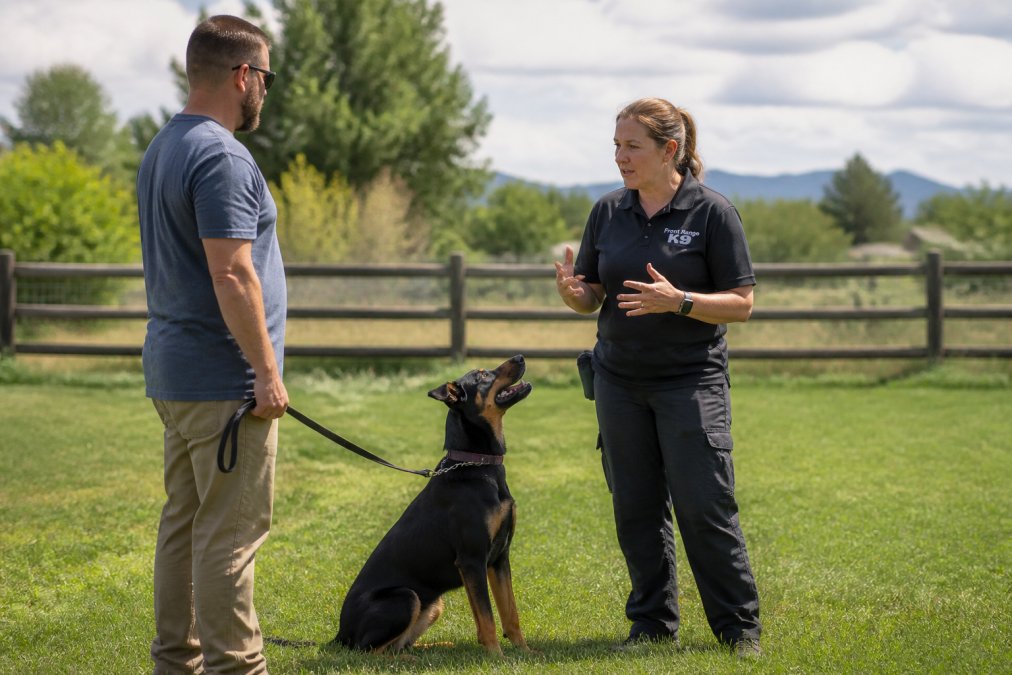
A professional dog trainer teaches obedience and foundational skills. A dog behaviorist treats complex behavioral disorders like aggression, severe fear, or compulsive behaviors. The distinction matters because the wrong choice wastes time and money.
According to a 2026 survey of professional dog trainers, 65% of professional trainers have completed structured training programs, while 33% are self-educated. This split reflects a field still developing its standards. The professional dog training field exists at the intersection of applied behavioral science, ethics, and lived experience, which means credentials vary widely.
Most owners confuse the two roles, which leads to hiring the wrong professional or expecting results that don't match the service.
Dog Training Certification Standards and Professional Credentials
Certification in dog training is optional, not required. Unlike veterinary medicine, there is no legal standard for who can call themselves a trainer or behaviorist.
Professional trainers typically pursue certifications from organizations like the Association of Professional Dog Trainers, which emphasizes science-based training methodologies and continuing education. A certified trainer has documented training hours, passed an exam, and committed to ongoing professional development.
Behaviorists often hold advanced degrees in animal behavior or psychology and can diagnose behavioral disorders; trainers focus on teaching commands and obedience skills.
Ask about credentials, years of experience, and continuing education. Request client references. Real-world experience matters more than a single certification.
Book your Temperament Test & Training Session →
Behavioral Modification vs Obedience Training: When to Choose Each
Obedience training teaches your dog to respond to commands and builds foundational skills. Most dogs benefit from obedience work because it creates structure and prevents problem behaviors.
Behavioral modification addresses existing problem behaviors like pulling, jumping, barking, reactivity, aggression, and anxiety. A behaviorist assesses why the behavior exists and designs an intervention to change the dog's emotional response to triggers.
Research from PetWorks' 2026 analysis indicates that dogs trained using structured methodologies display stronger obedience and fewer anxiety-related behaviors. The data shows that behavioral intervention works best when paired with environmental management and owner education.
Choose a professional trainer for basic obedience and foundational skills. Choose a behaviorist if your dog shows fear, aggression, or anxiety that obedience alone won't fix. Many dogs benefit from both. Specialized trainers also address specific behavioral concerns, for example, snake avoidance dog training can be valuable for dogs in regions where snake encounters pose a real risk, combining behavioral awareness with safety training.
Frequently Asked Questions
What is the main difference between a dog behaviorist and a professional trainer?
A professional trainer focuses on teaching obedience, foundational skills, and behavior modification for common issues like pulling, jumping, and barking. A behaviorist specializes in diagnosing and treating complex behavioral disorders such as aggression, severe anxiety, and compulsive behaviors.
How do I verify that a trainer or behaviorist has legitimate credentials?
Check for membership in recognized professional associations like the International Association of Canine Professionals (IACP) or the Association of Professional Dog Trainers (APDT). Ask about continuing education and certification programs they've completed. Request references from past clients and ask about their experience with your specific behavioral concern. Legitimate professionals are transparent about their qualifications and happy to discuss their training methodology and track record.
Finding the right professional matters. An experienced trainer or behaviorist can transform your dog's behavior and your daily life together. Front Range K9 Academy brings 36+ years of professional dog training experience to help owners address behavioral issues like pulling, barking, and jumping. Our proven methods focus on real-world obedience and lasting results. Book your Temperament Test & Training Session to discover which approach fits your dog's needs.