 blog
blog
Best Dog Muzzle for Biting Aggression
Table of Contents
- Choosing the Right Dog Muzzle for Biting Aggression
- Muzzle Training Best Practices
- How to Introduce a Muzzle to a Dog
- Frequently Asked Questions
Last Updated: October 4, 2026
Choosing the Right Dog Muzzle for Biting Aggression
Finding the best dog muzzle for biting aggression requires understanding your dog's specific needs and the types available. Muzzle selection is often the first practical step to manage bite risk safely.
A muzzle is a safety tool that prevents bites while you address underlying behavior, allowing your dog to pant, drink water, and remain comfortable during outings.
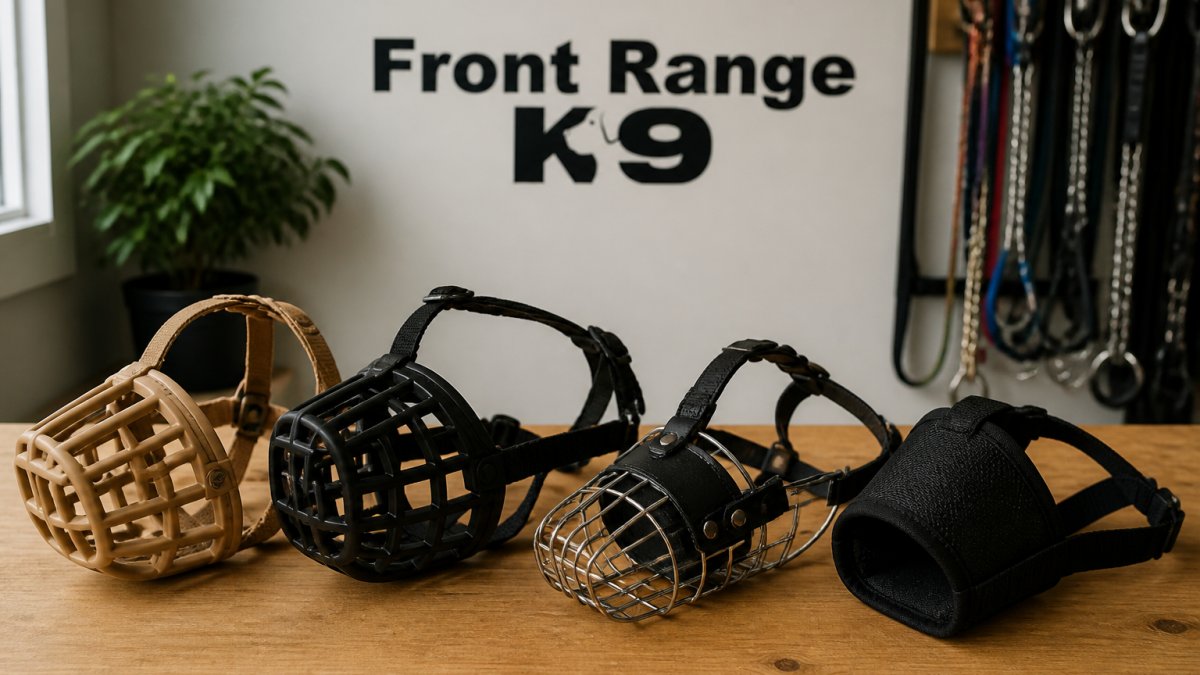
The two primary styles are basket muzzles and soft muzzles. Basket-style muzzles, typically made of wire cage or silicone, offer superior breathability and panting room. According to the American Kennel Club's guidance on muzzle use, basket muzzles are increasingly recommended because they allow dogs to regulate body temperature effectively, something soft nylon muzzles cannot do. For dogs with a history of aggression or biting, a heavier-duty metal wire basket muzzle with padding provides the security and durability needed in high-stress situations.
Soft muzzles restrict panting, making them unsuitable for extended wear or reactive dogs. The limitation matters: nylon muzzles can prevent thermoregulation, which is why The Online Dog Trainer's analysis of muzzle types notes they're best reserved for brief veterinary visits only.
Proper fit is essential. Measure your dog's snout circumference and length before ordering. Brachycephalic breeds require specialized basket muzzles designed for shorter snouts.
Muzzle Training Best Practices
Proper introduction builds neutral associations with the muzzle. Consistency matters more than intensity, frequent, brief sessions build acceptance better than sporadic attempts.
How to Introduce a Muzzle to a Dog
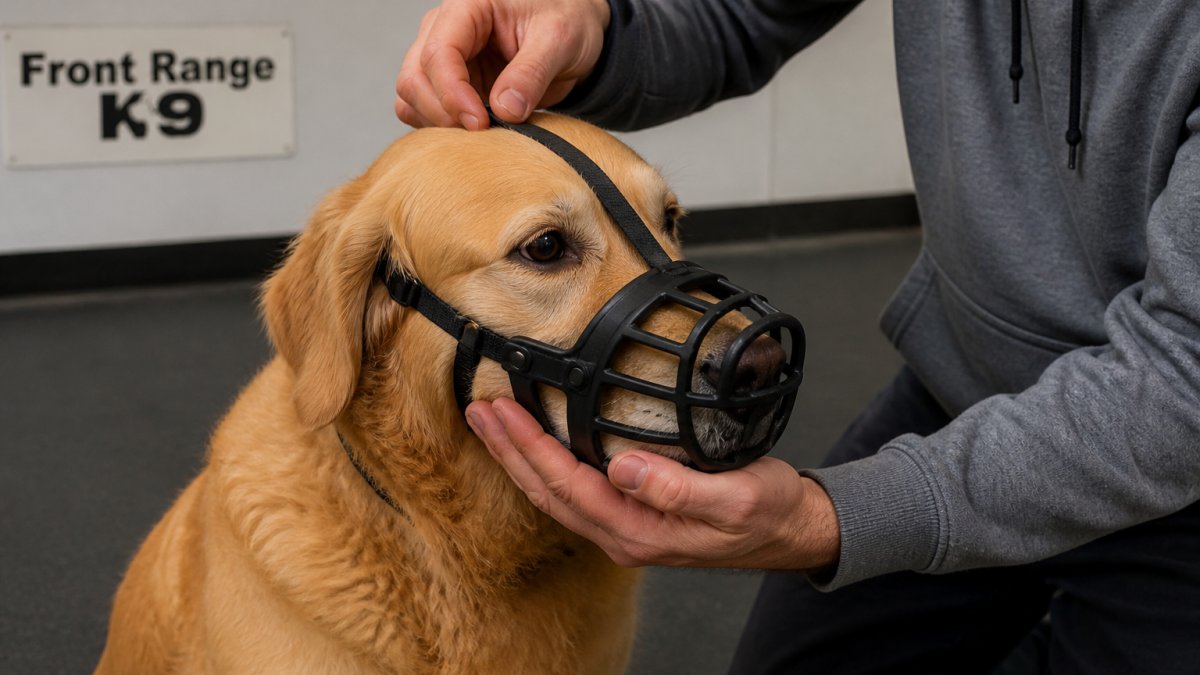
The introduction process requires patience in a quiet, familiar environment.
Book your Temperament Test & Training Session →
Signs of poor fit include escape attempts, excessive pawing, or difficulty breathing, reassess sizing or slow your introduction timeline.
| Training Phase | Duration | Frequency | Goal |
|---|---|---|---|
| Investigation | 3-5 days | Daily | Curiosity, no fear |
| Desensitization | 1-2 weeks | 3-4 sessions/week | Comfort near face |
| Brief wearing | 2-3 weeks | Daily | 30-60 seconds indoors |
| Extended wear | 2-4 weeks | Daily | 5-10 minutes indoors |
| Outdoor introduction | 2-3 weeks | 2-3 times/week | Short walks in calm areas |
Success means your dog views the muzzle as neutral, not a source of anxiety, making it genuinely effective for managing aggression.
Frequently Asked Questions
What type of muzzle is best for a dog that bites?
A wire basket muzzle with padding is the most secure choice for dogs with a bite history. According to certified professionals, basket-style muzzles prevent biting while allowing panting and drinking, making them suitable for extended wear. Unlike soft nylon muzzles, which restrict breathing, basket muzzles provide the breathability and safety equipment needed for dogs with aggression management concerns.
How do I introduce a muzzle to a dog properly?
Introducing a muzzle properly helps your dog accept it as a normal part of life rather than something to fear or resist. This desensitization approach can help build positive associations.
How do I measure my dog's snout for a proper muzzle fit?
Measure your dog's snout circumference around the widest part of the muzzle area, just below the eyes, and snout length from the tip of the nose to the inside corner of the eye. A properly fitted muzzle should allow your dog to open its mouth slightly for panting and drinking while preventing biting. A loose muzzle can be slipped off; a tight one causes discomfort and breathing issues.
Book your Temperament Test & Training Session with Front Range K9 Academy to develop a comprehensive plan for managing your dog's behavior safely and effectively.