 how-to
Dog Training for Reactive Dogs: A Practical Guide
Table of Contents
- Understanding Reactivity and Its Root Causes
- Leash Reactivity Management: Core Strategies
- How to Stop Dog Pulling on Leash and Build Confidence
- Benefits of Professional Dog Training for Reactive Dogs
- Frequently Asked Questions
Last Updated: September 3, 2026
Understanding Reactivity and Its Root Causes
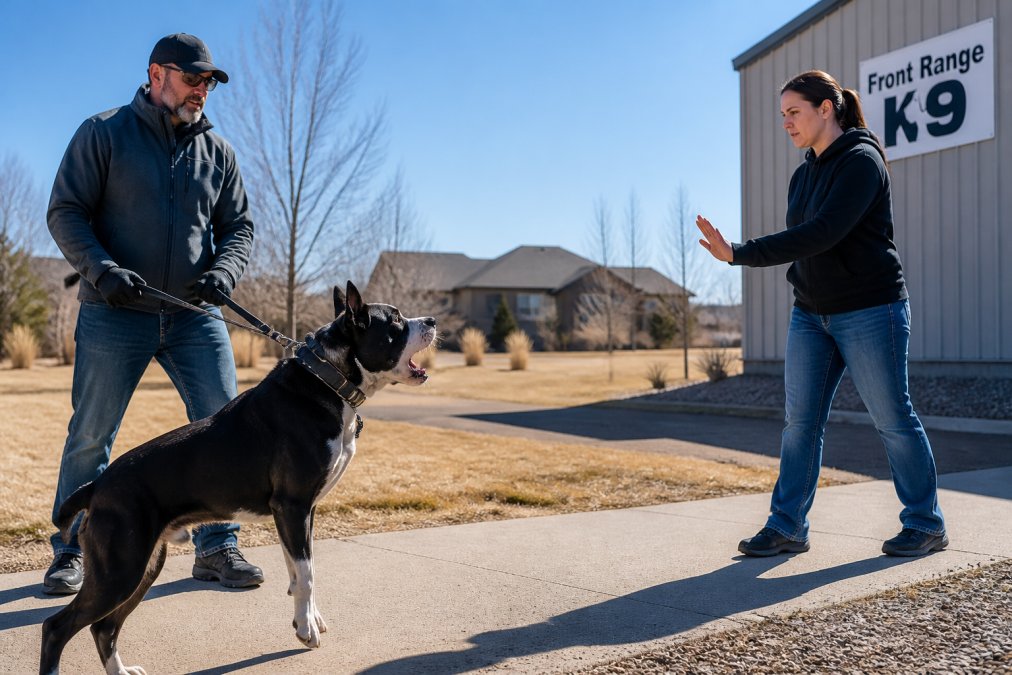
Dog training for reactive dogs starts with understanding what drives the behavior. Reactivity isn't aggression, it's an emotional overresponse to triggers. A reactive dog overreacts to normal situations that other dogs would take in stride, according to Cornell University College of Veterinary Medicine research on canine behavior. The dog sees another animal, a person, or a sudden movement and responds with barking, lunging, or growling before their brain can process what's actually happening.
Research from Texas A&M University shows that 55.6% of dogs exhibit moderate to severe aggression-related behaviors, while 49.9% experience moderate to severe fear and anxiety behaviors. These aren't character flaws, they're emotional states that need management and support. Understanding whether your dog's reactivity stems from fear, frustration, or defensive instinct changes how you approach training.
Leash Reactivity Management: Core Strategies
Leash reactivity is one of the most common challenges owners face. When a dog is on a leash, they lose their ability to create distance from triggers, which intensifies their emotional response. The goal is to help your dog stay calm enough to process information rather than react on impulse.
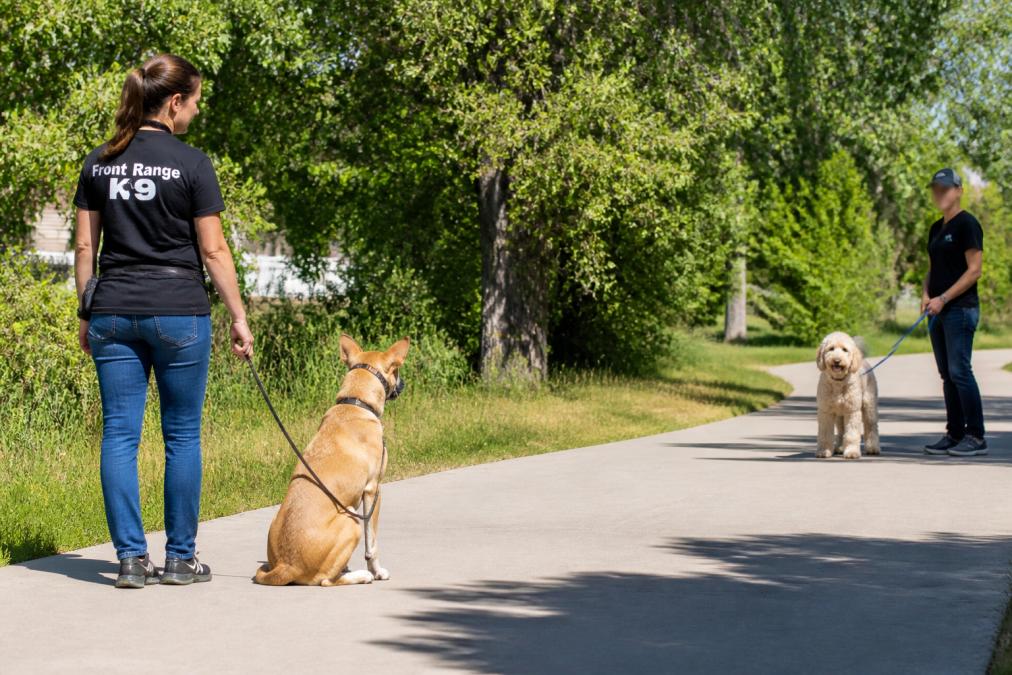
Distance matters. If your dog reacts at 50 feet, work at 60 feet where they can see the trigger but remain calm. This threshold is where real change happens. Consistency in your own body language matters equally, dogs sense handler tension immediately, so managing your own anxiety during walks directly affects your dog's ability to stay calm.
Environmental management reduces unnecessary exposure to triggers while you're building skills. Choosing quieter walking times or routes avoids constant rehearsal of reactive behavior. This isn't avoidance forever; it's strategic planning that prevents your dog from practicing the exact behavior you're trying to change.
How to Stop Dog Pulling on Leash and Build Confidence
Pulling and reactivity often go hand in hand. A dog pulling toward a trigger is operating from excitement or anxiety, not disobedience. Building confidence means teaching your dog that calm behavior brings good things and that they don't need to lunge to manage their environment.
The foundation is structure. Dogs with clear boundaries and predictable routines develop confidence because they understand what's expected. Walks become less about unpredictable chaos and more about a manageable pattern, reducing arousal levels before reactivity can spike.
Distance and duration work together. Start with short walks in low-distraction areas where your dog can succeed. As confidence builds, gradually increase duration and exposure to mild triggers. This builds your dog's emotional capacity to handle them.
Professional dog training for reactive dogs addresses these patterns systematically. Front Range K9 Academy works with dogs showing reactivity, pulling, and anxiety to rebuild their confidence through consistent, organized methods developed over 36+ years of professional experience. Their approach focuses on real-world obedience that translates to actual walks and daily life.
Benefits of Professional Dog Training for Reactive Dogs
Professional trainers bring objectivity and expertise that transforms how owners understand their dogs' behavior. They recognize patterns owners might miss and adjust strategies based on what the individual dog actually needs.
Book your Temperament Test & Training Session →
The real benefit extends beyond the dog. Training reduces handler stress significantly. Walks transform from anxious events into something you actually enjoy. Your dog's improved confidence and behavior create safety and freedom for your entire family.
Beyond common reactivity triggers, some dogs also benefit from specialized training for environmental hazards. Snake avoidance dog training is one example of how professional trainers prepare dogs to recognize and safely avoid specific dangers they might encounter outdoors, adding another layer of protection and confidence to their overall training foundation.
Dog training for reactive dogs addresses the emotional foundation driving the behavior. Whether your dog struggles with leash reactivity, pulling, or anxiety around triggers, professional support can accelerate progress beyond what at-home effort alone typically achieves. Front Range K9 Academy's proven methods have helped over 10,000 dogs and owners achieve lasting results. Learn more about how professional trainers approach reactivity and book your Temperament Test & Training Session to start your dog's journey toward calmer, more confident walks.
=== FAQ ANSWERS (audit these too, same rules) ===
[1] Q: Can reactivity be trained out of a dog? A: Yes, dog training for reactive dogs can significantly improve behavior. According to research from Texas A&M University, 55.6% of dogs show moderate to serious aggression behaviors, yet professional training addresses the underlying emotional responses driving reactivity. The goal is managing triggers and building confidence so your dog responds calmly rather than reacting defensively. Results depend on consistency, the dog's age, and the severity of the behavior.
[2] Q: What is the difference between fear-based and frustration-based reactivity? A: Fear-based reactivity occurs when a dog perceives a threat and reacts defensively, barking, lunging, or growling to create distance. Frustration-based reactivity happens when a dog wants to reach something (another dog, person, or stimulus) but is restrained, leading to pulling and lunging. Understanding which type your dog exhibits helps trainers design appropriate management and behavior modification strategies.
[3] Q: How long does it take to see improvement in a reactive dog? A: Many owners notice behavioral shifts within the first few weeks of consistent training, though lasting change typically develops over several months. The timeline depends on your dog's age, how long the behavior has been present, consistency in practice, and the specific triggers involved. Professional trainers can accelerate progress by providing structured guidance and accountability that at-home efforts alone may not achieve.
Frequently Asked Questions
Q: Can reactivity be trained out of a dog?
A: Yes, dog training for reactive dogs can significantly improve behavior. According to research from Texas A&M University, 55.6% of dogs show moderate to serious aggression behaviors, yet professional training addresses the underlying emotional responses driving reactivity. The goal is managing triggers and building confidence so your dog responds calmly rather than reacting defensively. Results depend on consistency, the dog's age, and the severity of the behavior.
Q: What is the difference between fear-based and frustration-based reactivity?
A: Fear-based reactivity occurs when a dog perceives a threat and reacts defensively, barking, lunging, or growling to create distance. Frustration-based reactivity happens when a dog wants to reach something (another dog, person, or stimulus) but is restrained, leading to pulling and lunging. Understanding which type your dog exhibits helps trainers design appropriate management and behavior modification strategies.
Q: How long does it take to see improvement in a reactive dog?
A: Many owners notice behavioral shifts within the first few weeks of consistent training, though lasting change typically develops over several months. The timeline depends on your dog's age, how long the behavior has been present, consistency in practice, and the specific triggers involved. Professional trainers can accelerate progress by providing structured guidance and accountability that at-home efforts alone may not achieve.
This article was written using GrandRanker