 how-to
Dog Obedience Classes in Loveland: Find Real Help
Table of Contents
- Why Dog Obedience Classes Change Everything
- Common Dog Behavioral Issues and What They Signal
- Dog Temperament Testing: The Smart First Step
- Dog Obedience Training Duration: What to Expect
Last Updated: August 24, 2026
Why Dog Obedience Classes Change Everything
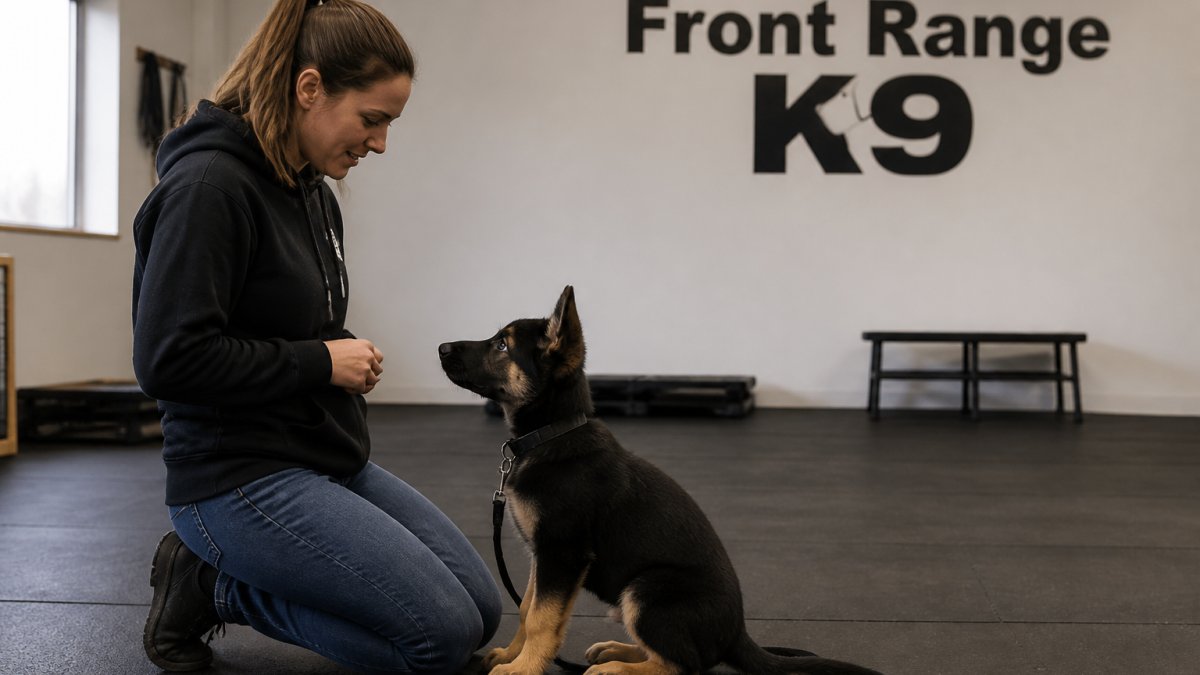
Dog obedience classes are structured training programs that address behavioral issues, build communication between owner and dog, and create lasting habits. At Front Range K9 Academy, we've spent over 36 years watching frustrated owners walk in with dogs that pull, bark, and ignore commands, then walk out with companions they actually enjoy.
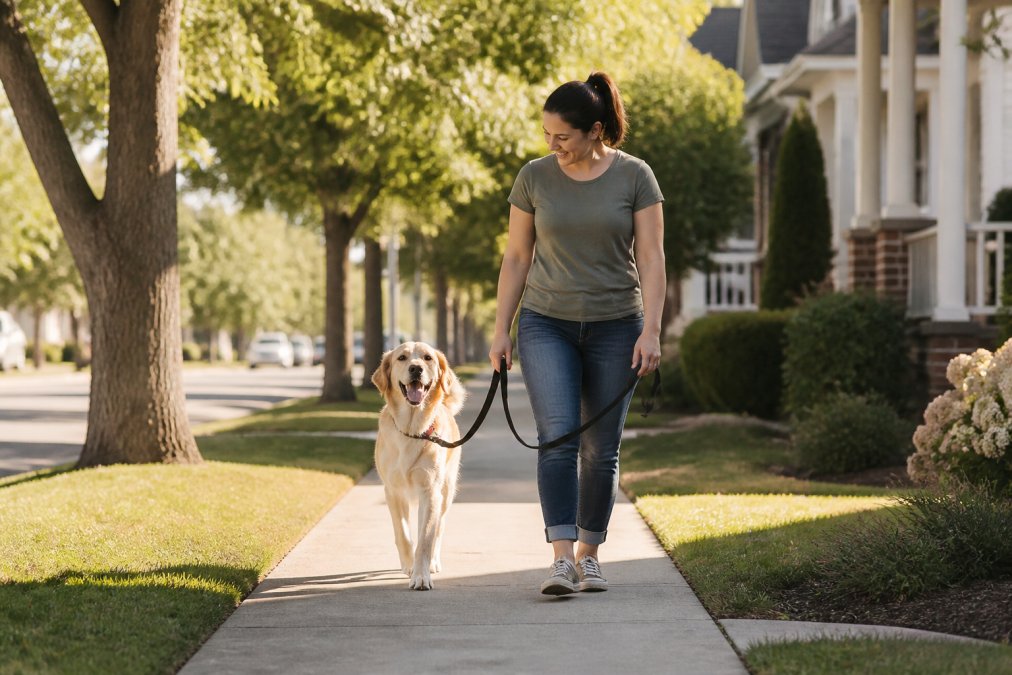
Most home attempts fail because they don't account for a dog's individual temperament, history, or specific behavioral triggers. Professional obedience classes fill that gap with structure, consistency, and trained eyes that catch what owners miss. Brie Benson from Arvada put it simply: "Walks are no longer stressful and in fact, enjoyable."
According to the American Kennel Club's guide to dog training, early and consistent obedience training is one of the most effective ways to prevent long-term behavioral problems and strengthen the human-dog bond.
Common Dog Behavioral Issues and What They Signal
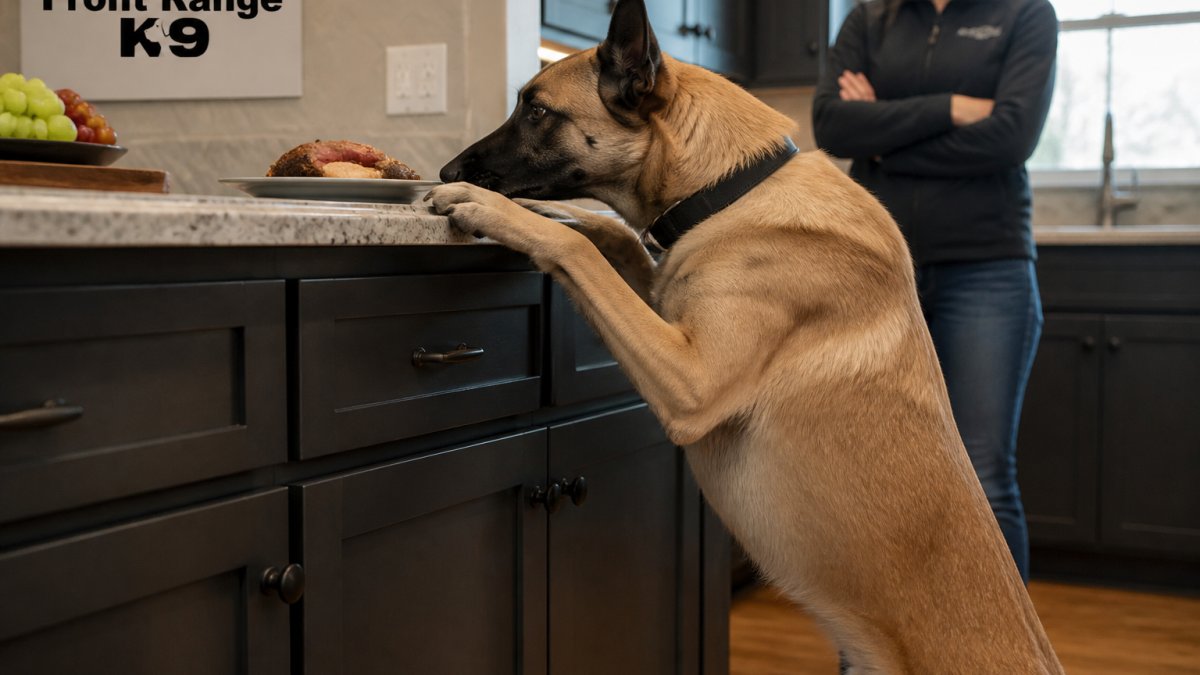
Most behavioral issues aren't random, they're communication. When a dog lunges at other dogs, that's leash reactivity rooted in anxiety or lack of impulse control. When a dog barks excessively, jumps on guests, or refuses recall, those behaviors signal the dog hasn't learned its boundaries. A behavioral assessment from a professional trainer matters far more than a generic training plan.
Common issues that bring owners to professional obedience classes include:
- Leash reactivity and lunging at other dogs or strangers
- Jumping on people, including guests and children
- Excessive barking indoors or during walks
- Poor recall, the dog simply doesn't come when called
- Separation anxiety that leads to destructive behavior
- Aggression management needs, including dog-to-dog or dog-to-human tension
- Pulling that makes walks a battle rather than a benefit
Adult dogs with years of entrenched habits can absolutely change. Trip Tapley from Denver noted: "Every instructor is top notch. All programs are very organized."
Dog Temperament Testing: The Smart First Step
Dog temperament testing is a professional behavioral assessment that evaluates how a dog responds to various stimuli, environments, and interactions, giving trainers the data they need to build the right training plan.
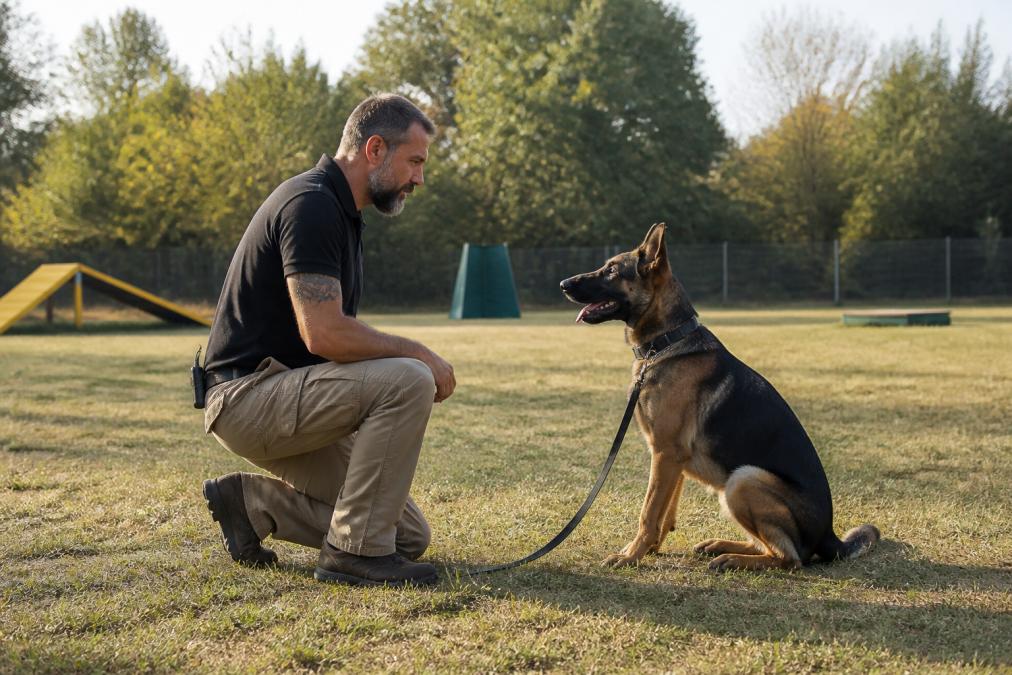
Skipping this step is one of the most common mistakes new training clients make. Without a temperament assessment, you're guessing at the root cause. With one, the trainer knows exactly what they're working with: drive levels, anxiety triggers, socialization gaps, and how the dog responds under pressure or distraction.
Book your Temperament Test & Training Session →
Front Range K9 Academy offers a Temperament Test & Training Session, a genuine first look at your dog that shapes everything that follows. Michael Horner from Johnstown described his experience: "Front Range K9 was much more detailed in their lessons and met us where we were."
| What Temperament Testing Evaluates | Why It Matters |
|---|---|
| Socialization history and gaps | Shapes group vs. private session recommendation |
| Reactivity to other dogs or strangers | Identifies aggression management needs |
| Drive and energy level | Determines training pace and technique fit |
| Response to handler direction | Sets baseline for obedience command work |
| Anxiety and stress indicators | Flags separation anxiety or fear-based behavior |
Dog Obedience Training Duration: What to Expect
Dog obedience training duration depends on the dog's age, severity of behavioral issues, and how consistently the owner reinforces the work between sessions. Any trainer guaranteeing results without assessing your dog first is oversimplifying.
Here's a realistic framework:
- Puppy training and early socialization: Foundational commands and manners are most efficiently established before 16 weeks, but training at any age produces results (akc.org).
- Basic obedience: Dogs learning foundational commands typically see meaningful progress within several weeks of consistent work in structured classes or private sessions.
- Advanced obedience and off-leash work: Building reliable off-leash obedience and impulse control takes several months of progressive training.
- Behavior modification: Dogs with significant aggression, reactivity, or anxiety may need ongoing work. Behavior modification is a process, not a single course.
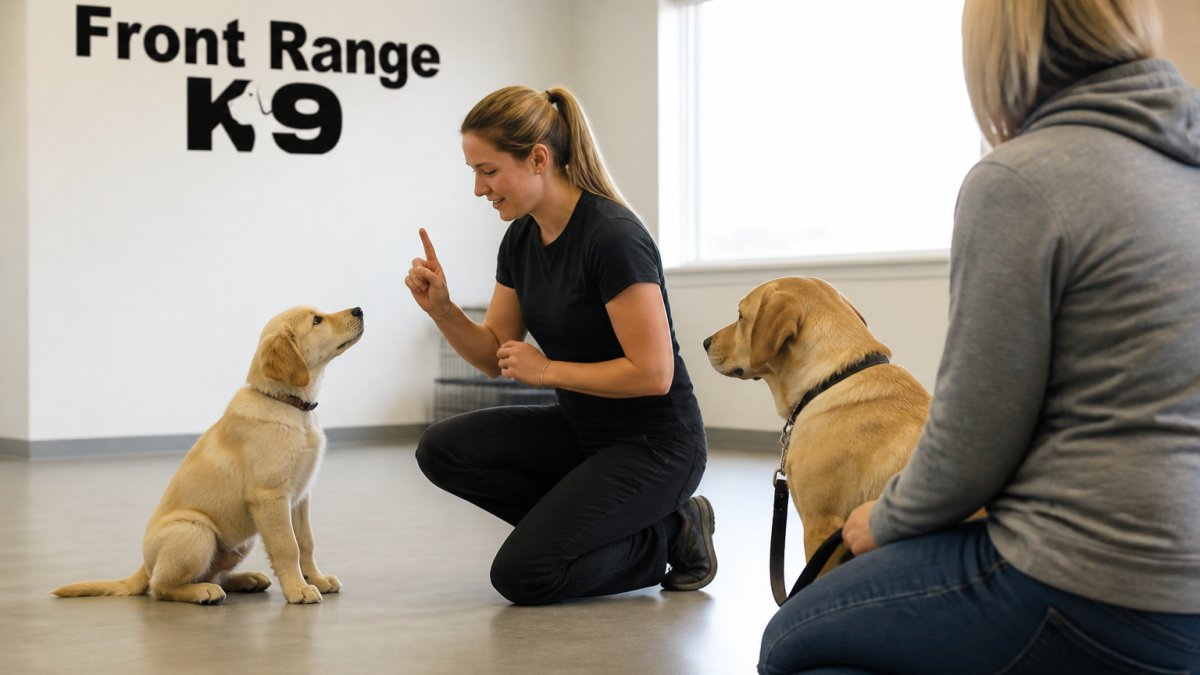
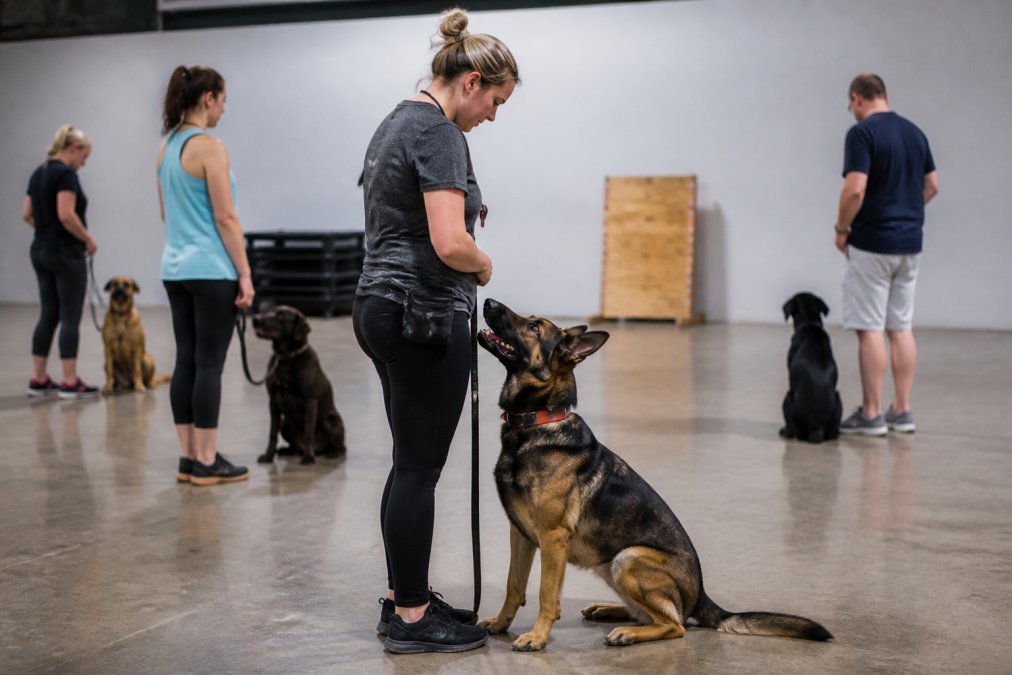
Private sessions allow trainers to move at the dog's pace. Group classes add real-world distraction training, where many dogs struggle without it. Front Range K9 Academy holds membership in the International Association of Canine Professionals, marking the accountability behind their 36-year track record with more than 10,000 dogs trained.
Struggling with a dog that pulls, barks, or ignores you limits your life and your dog's. Front Range K9 Academy brings 36+ years of professional experience, membership in the International Association of Canine Professionals, and a track record of more than 10,000 trained dogs to every session. Start with the Temperament Test & Training Session and get a clear picture of exactly what your dog needs. Book your session with Front Range K9 Academy and take the first step toward walks you actually look forward to.
Frequently Asked Questions
Q: Is it too late to start obedience training for an older dog?
A: No. Dogs of any age can learn new behaviors and shed long-standing habits. A 5-year-old dog that has pulled on the leash its whole life can absolutely make real progress with the right training approach. What matters most is consistency and working with a professional trainer who understands canine behavior. Front Range K9 Academy has worked with dogs of all ages and breeds across more than 10,000 successful training relationships.
Q: How long does it take to see results from dog obedience training?
A: Dog obedience training duration varies by the dog's age, breed, and the specific behavioral issues being addressed. Some owners notice meaningful changes within the first few sessions, while more complex issues like separation anxiety, aggression management, or deep-rooted leash reactivity take longer to resolve. A behavioral assessment at the start of training helps set realistic expectations and map out the right program length for your dog's specific needs.
Q: What is the difference between private sessions and group obedience classes?
A: Private sessions give your dog one-on-one attention focused entirely on its specific behavioral issues, which is ideal for aggression, reactivity, or complex behavior modification. Group classes build socialization skills and teach impulse control around distractions. Front Range K9 Academy offers both formats, and the right choice depends on your dog's temperament, which is exactly what a temperament test helps determine before you commit to a program.
This article was written using GrandRanker