 ultimate-guide
Dog Training Guarantee Explained: What Trainers Promise
Table of Contents
- Why Most Professional Dog Trainers Avoid Guarantees
- How to Choose a Professional Dog Trainer Without a Guarantee
- Dog Training Program Duration and Dog Behavior Modification Expectations
- Frequently Asked Questions
Last Updated: September 11, 2026
Why Most Professional Dog Trainers Avoid Guarantees
The dog training guarantee explained in one sentence: it is a promise no ethical trainer can honestly make, because training outcomes depend as much on the owner as on the dog, and no dog training guarantee can change that. The dog training services market reached USD 43.8 billion in 2026 and is projected to hit USD 99.96 billion by 2035 (Business Research Insights market report), yet only 5% of dog owners report using a professional trainer for behavioral concerns, while 60% ask friends or family instead (NCBI study on dog guardian training methods).
At Front Range K9 Academy, we have spent over 36 years training more than 10,000 dogs and owners, and have never once promised a guaranteed result.
A training guarantee is a sales promise that a specific behavioral outcome will be achieved within a set timeframe, regardless of the dog's history, environment, or the owner's follow-through. Certifying bodies largely prohibit them because they imply an instant cure and can mask harsh methods used to produce fast, temporary compliance (At Your Service Dog Training on ethical guarantees).
A trainer controls the sessions, not the household, so a dog that performs perfectly in a controlled environment can unravel at home if nobody maintains the routine. Guarantees also create unrealistic expectations, leading owners to believe results will hold indefinitely without their continued involvement (Good Human Dog Training on guarantee expectations).
How to Choose a Professional Dog Trainer Without a Guarantee
Choosing a trainer without a guarantee comes down to evidence, transparency, and fit. Ask for a behavioral assessment, a written training plan, and clear progress tracking rather than a promise.
The 2026 Dog Training Benchmarking Report, which surveyed 862 dog training business owners, found that consistency in operations and client education is the primary driver of growth in professional training businesses (2026 Dog Training Benchmarking Report). The trainers who last are the ones who teach owners, not the ones who sell certainty.
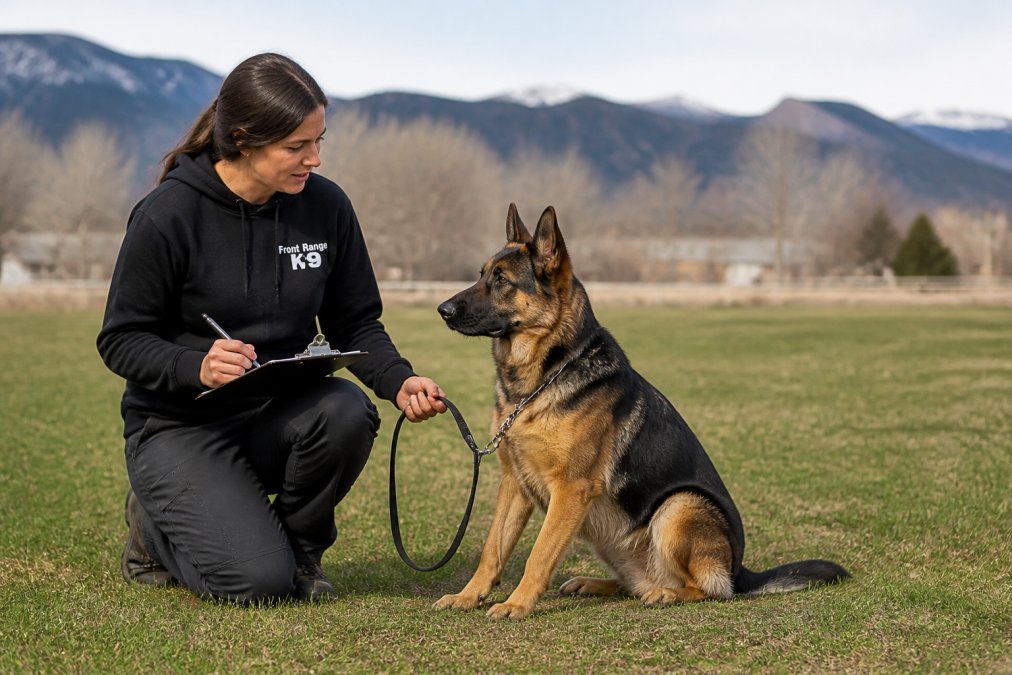
Look for a behavioral assessment before any commitment, a written plan with defined goals, transparent discussion of variables like environment and owner compliance, professional association membership, and willingness to explain why guarantees are unethical. Red flags: pressure tactics, claims of instant results, and refusal to put the plan in writing.
Dog Training Program Duration and Dog Behavior Modification Expectations
Most training programs run several weeks to several months, and behavior modification takes longer than basic obedience because it addresses the underlying cause rather than the visible symptom. Owners who maintain a consistent training routine see a 95% higher retention rate in their dog's skills after six months (Sit Means Sit data on training consistency).
| Factor | Basic Obedience | Behavior Modification |
|---|---|---|
| Typical duration | Weeks | Months |
| Primary focus | Cues and manners | Emotional response |
| Owner involvement | Moderate | High |
| Progress tracking | Session-based | Ongoing assessment |
| Realistic expectation | Reliable responses | Gradual improvement |
Behavior modification is not obedience: obedience teaches a dog what to do, while behavior modification changes how a dog feels about a trigger, so a long-standing reactivity issue will not resolve on the same schedule as learning to sit.
Professional dog training sits at the intersection of applied behavioral science, ethics, and lived experience, and there is significant variance in how owners seek help (NCBI research on professional training). Some want a fix-it mentality; others want a partnership. The second group gets better outcomes.
Some skills sit outside the guarantee conversation entirely because they are about safety rather than obedience, and snake avoidance dog training is a good example: it teaches a dog to recognize and steer clear of a specific hazard, and its value shows up in the moments you cannot plan for.
So what does a professional trainer actually guarantee? Accountability, a clear plan, and honest communication. Not a result.
The owner-trainer partnership model is the honest alternative to a guarantee: the trainer brings expertise and structure, the owner brings consistency and follow-through. That is a harder sell than a promise, which is why the trainers worth hiring make it.
Frequently Asked Questions
Why do most professional dog trainers avoid offering guarantees?
Training outcomes depend heavily on owner compliance, consistency, and the dog's individual temperament, so a fixed guarantee would misrepresent what a trainer can control. Many certifying bodies prohibit guarantees because they imply an instant cure and can push trainers toward harsh methods just to hit a promised result. Reputable trainers instead commit to a clear training plan, transparent communication, and measurable progress rather than a money-back promise.
What should I look for when choosing a professional dog trainer?
Look for documented experience, professional memberships, and a willingness to explain the training plan before you commit. Ask how they handle behavioral assessment, how they track progress, and what a service agreement actually covers. Red flags include high-pressure sales tactics, vague promises, and a refusal to discuss methods or owner responsibilities. A trainer who welcomes questions about their process is usually a better sign than one who leads with a guarantee.
How long does a dog training program usually take, and what results are realistic?
Dog training program duration varies with the behavior being addressed and how consistently the owner practices between sessions. Basic manners often show improvement within weeks, while serious behavior modification can take months. Realistic expectations include gradual progress, occasional setbacks, and the need for ongoing reinforcement. Owners who maintain a consistent routine see a 95% higher retention rate in their dog's skills after six months, according to Sit Means Sit data from 2024.
Behavioral problems rarely resolve on their own, and a guarantee will not change that. Front Range K9 Academy offers private sessions and small group classes built on 36+ years of professional experience and proven methods that work in the real world, from street-smart obedience to off-leash freedom. Book your Temperament Test & Training Session and get an honest assessment of where your dog is and what it will take to get where you want to be.