 how-to
Off-Leash Training for Small Dogs: Why It Matters
Table of Contents
- Why Off-Leash Training for Small Dog Breeds Matters
- Benefits of Off-Leash Dog Training
- When Can a Dog Walk Off Leash: Readiness and Safety
- Frequently Asked Questions
Last Updated: October 10, 2026
Why Off-Leash Training for Small Dog Breeds Matters
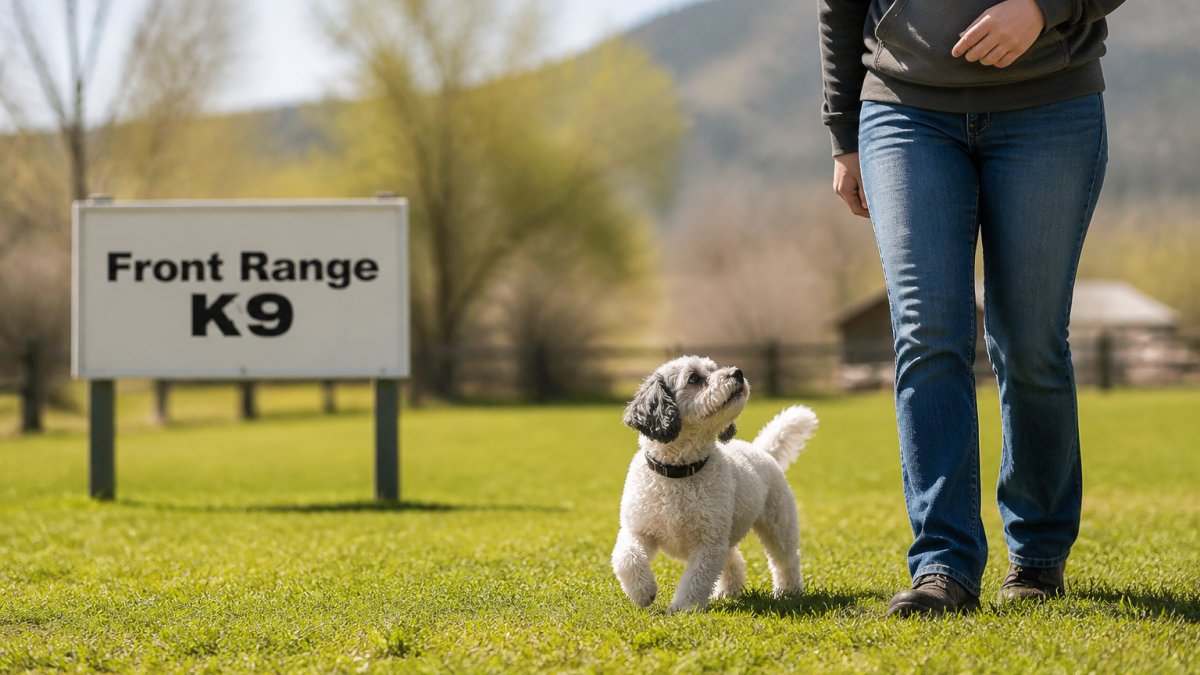
Off-leash training small dogs delivers freedom and safety many owners assume is impossible. Small dogs often get overlooked in serious training, but their size doesn't reduce the need for reliable control.
A Chihuahua or Yorkie bolting into traffic faces the same danger as a larger dog. When your small dog responds reliably to your commands, you gain peace of mind that transforms daily life.
Off-leash training builds mutual confidence between dog and owner, transforming walks from stressful to enjoyable.
Benefits of Off-Leash Dog Training
Physical health improves dramatically. A dog running freely burns energy more efficiently than a dog on a leash. Small breeds often have high energy despite their size. Off-leash time lets them move naturally, which strengthens muscles and improves cardiovascular health. According to research from Taylor & Francis's 2026 study on off-leash zone design, dogs in off-leash environments showed greater behavioral diversity and more positive-valence behaviors compared with leashed dogs.
Mental stimulation increases. Sniffing and exploring engages your dog's brain, reducing destructive behavior and promoting better sleep.
Socialization improves. Small dogs meeting other dogs off-leash learn social skills and read body language more clearly.
Your bond deepens. When your dog chooses to stay near you without a leash, it's trust, your dog follows your lead because they want to.
When Can a Dog Walk Off Leash: Readiness and Safety
Reliable recall is essential. Your dog must respond consistently, even with distractions. Without that reliability, off-leash walking is risky.
Book your Temperament Test & Training Session →
Age and temperament matter. Adult dogs with stable temperaments are better candidates for off-leash freedom. Prey drive varies by breed; some small dogs may never be fully safe off-leash in certain environments.
Location determines safety. Off-leash training works best in enclosed areas and designated off-leash zones. Busy roads, crowded sidewalks, and areas with wildlife hazards are off-limits. If you live in an area with wildlife concerns, such as snakes, specialized training like snake avoidance dog training can add an extra layer of safety to your off-leash work.
Your dog's history shapes readiness. A dog with no escape history differs from one with a bolting past. Consistent prior training accelerates progress.
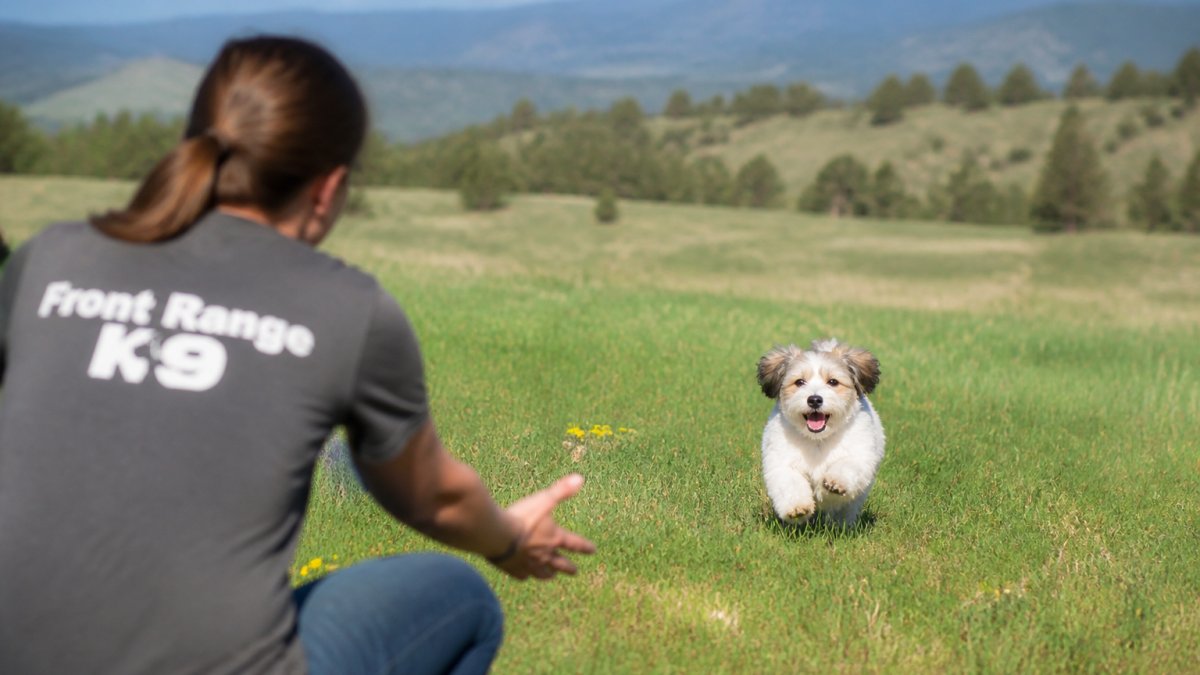
If your small dog shows unpredictable behavior around other animals, hesitates on recall, or has a history of running off, off-leash training needs more time. A professional trainer helps you evaluate readiness accurately and build the skills your dog needs for safe, reliable off-leash behavior.
Small dogs deserve the same quality training as larger breeds, and off-leash training small dogs proves it. When your small dog responds reliably off-leash, your entire relationship changes. You move through the world with less stress and more joy. Front Range K9 Academy specializes in building that reliable response through proven methods tailored to each dog's temperament and needs. The International Association of Canine Professionals recognizes the importance of individualized training approaches. Book your Temperament Test & Training Session today and discover what's possible for your small dog.
Frequently Asked Questions
Can small dogs really be trained to behave reliably off leash?
Yes. Small dogs can develop reliable off-leash behavior when trained with consistency and clear expectations. Success depends on the individual dog's temperament, breed tendencies, and the owner's commitment to practice. Many small breeds respond well to structured training that builds their confidence and strengthens their bond with their handler. Your dog's readiness depends on obedience foundation, impulse control, and response to recall in various environments.
What makes small dog recall training different from training larger dogs?
Small dogs often face unique challenges: they're more vulnerable to outdoor hazards like predators and traffic, may have prey drive despite their size, and can be easily distracted or overwhelmed in busy environments. Recall training for small breeds emphasizes building confidence, managing distractions progressively, and ensuring the dog responds reliably before increasing distance or complexity. The goal is the same, reliable response, but the safety considerations and environmental management differ significantly.
Why might my small dog run away when the leash comes off?
Dogs may bolt when unleashed due to insufficient recall training, overwhelming distractions, fear or anxiety, lack of impulse control, or the sudden freedom triggering prey drive. Some dogs haven't learned that staying close to their handler is rewarding. Building reliable off-leash behavior requires systematic training that teaches your dog to check in with you and respond to recall even when distractions are present. Professional guidance helps identify your dog's specific triggers and address them.