 how-to
What Is Dog Resource Guarding: A Complete Guide
Table of Contents
- What Is Dog Resource Guarding
- Why Do Dogs Resource Guard
- Signs of Resource Guarding in Dogs
- Frequently Asked Questions
Last Updated: October 10, 2026
What Is Dog Resource Guarding
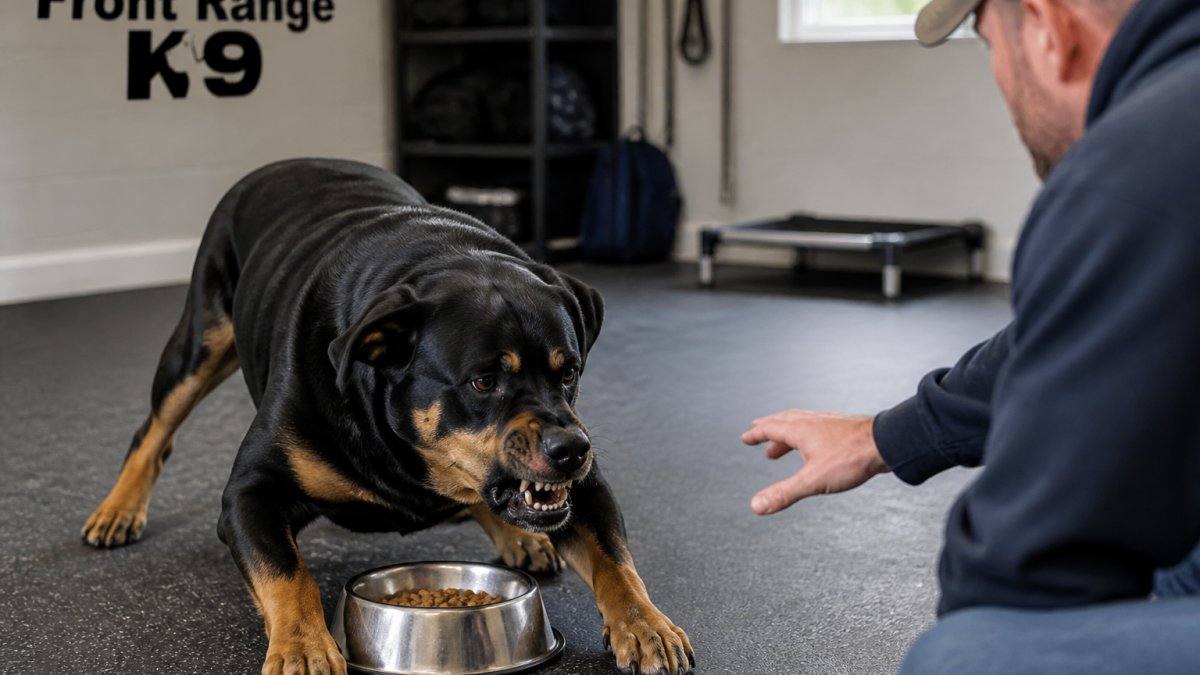
Dog resource guarding is protective behavior where a dog displays avoidance, threatening, or aggressive actions to retain control of something valuable. Researchers publishing in Frontiers in Veterinary Science defined this as a dog's way of maintaining access to items it perceives as important, food bowls, toys, bones, treats, beds, or even people.
This behavior stems from a dog's natural instinct to protect valued resources, communicated through body language and escalating signals.
At Front Range K9 Academy, we've worked with many dogs displaying resource guarding behaviors. This isn't a sign of a "bad dog", it's a communication pattern that can be managed with the right approach.
Why Do Dogs Resource Guard
Dogs resource guard because they fear losing access to something they value, rooted in survival instinct. A dog that guards resources is essentially saying, "This matters to me, and I'm worried you'll take it."
Several factors contribute to why dogs develop this behavior:
- Fear of scarcity: A dog may have experienced limited access to food or valued items in the past
- Natural predisposition: Some dogs are naturally more possessive than others
- Lack of early socialization: Dogs not exposed to sharing during puppyhood may be more prone to guarding
- Stress or anxiety: Anxious dogs often guard more intensely
- Medical discomfort: Pain or illness can trigger or worsen guarding behavior
Researchers publishing in Applied Animal Behaviour Science have examined factors associated with resource guarding, showing that environmental and individual differences play significant roles in how dogs develop this behavior.
Signs of Resource Guarding in Dogs
Recognizing warning signs helps prevent escalation, as dogs communicate through body language before resorting to snapping or biting.
Early warning signals include:
Book your Temperament Test & Training Session →
- Stiffening: Body becomes tense and rigid
- Freezing: Dog stops moving and focuses intently on the item
- Hard stare: Intense, unblinking eye contact directed at anyone approaching
- Hovering: Positioning body protectively over the resource
- Lip licking or yawning: Signs of stress and anxiety
- Showing teeth: Lips curl back, exposing teeth without sound
Growling, snapping, and biting indicate the dog feels genuinely threatened.
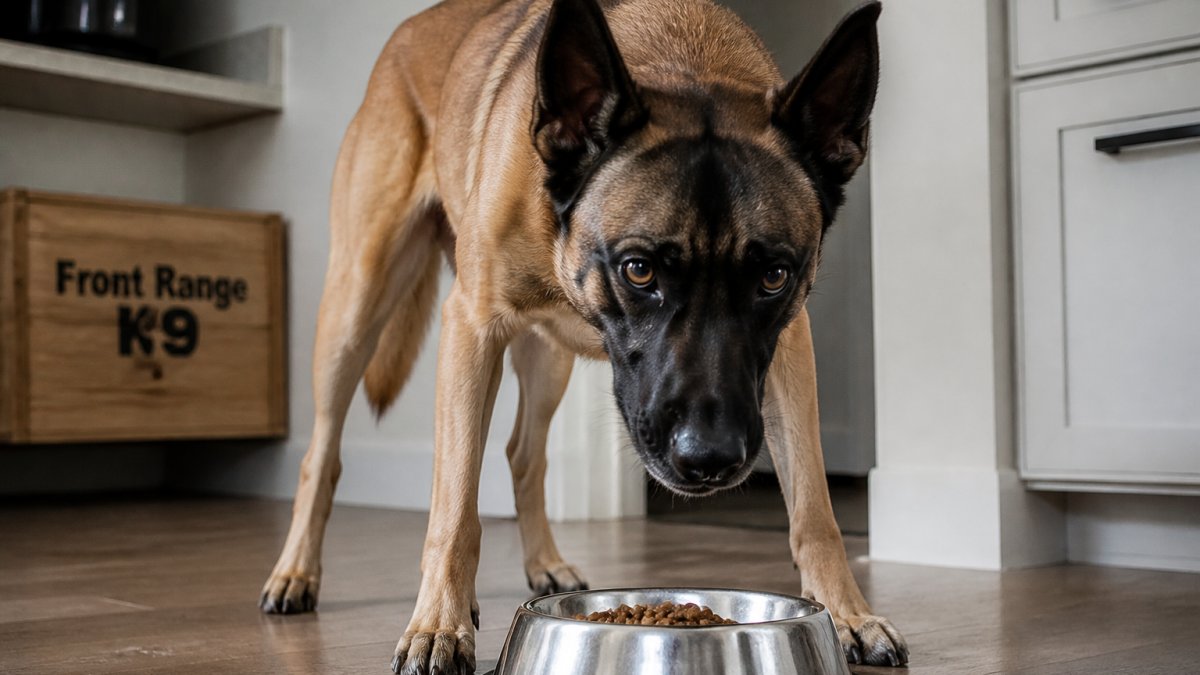
Intervention works best early, a dog stiffening around a bowl responds differently than one already growling. Management and behavior modification reduce incidents and risk.
When you notice these signs, create distance between the dog and the resource. Front Range K9 Academy helps owners develop management plans that keep everyone safe while addressing the underlying anxiety driving the behavior. We also offer specialized training programs like snake avoidance dog training to address other protective behaviors and environmental concerns that may contribute to a dog's overall anxiety and guarding tendencies.
Frequently Asked Questions
What is resource guarding in dogs?
Resource guarding is protective behavior where a dog shows avoidance, threatening gestures, or aggression to retain control of a valued item like food, toys, bones, or resting spots. According to research published in Frontiers in Veterinary Science, resource guarding is a natural behavior rooted in a dog's fear of losing access to something important. It can range from mild warning signs like stiffening or freezing to more serious escalation like growling or snapping. Understanding the difference between normal food motivation and true resource guarding is essential for safety and management.
Why do dogs resource guard?
Dogs resource guard because they perceive a threat to something valuable, whether food, toys, treats, bones, chews, or even resting spots. This behavior stems from stress and anxiety about losing access to that item. Some dogs have a genetic predisposition to guarding, while others develop it through experience or past scarcity. Resource guarding is a natural protective behavior, not a sign of dominance or spite. Dogs may guard valued resources when they feel uncertain about whether they'll get another opportunity to eat or access that item again.
What are the signs of resource guarding in dogs?
Warning signals include body language like stiffening, freezing, hovering over the item, and a hard stare. Dogs may show their teeth, lick their lips, or display tension in their posture. Escalation signals include growling, snapping, and biting. Some dogs guard food bowls, toys, treats, bones, favorite beds, or personal space around people. Not all guarding looks aggressive, sometimes it's subtle tension or a freeze when you approach. Recognizing these early warning signs helps prevent incidents and informs whether professional training is needed.
Can resource guarding in dogs be managed or stopped?
Resource guarding can be managed through safety planning and professional behavior modification. Professional training can significantly reduce incidents and help dogs feel less anxious about their possessions. Success depends on consistency, patience, and addressing any underlying stress or anxiety.
Resource guarding reflects a dog's anxiety about losing something valued. With proper management and professional training support, you can help your dog feel more secure. Front Range K9 Academy offers proven methods to address resource guarding safely and effectively. Book your Temperament Test & Training Session to start building a calmer, more confident dog.