 ultimate-guide
Why Early Socialization Is Important for Dogs
Table of Contents
- Why Early Socialization Is Important for Dogs
- When to Socialize a Puppy: Critical Developmental Windows
- Building Confidence Through Positive Exposure
- Frequently Asked Questions
Last Updated: October 16, 2026
Why Early Socialization Is Important for Dogs
Understanding why early socialization is important for dogs starts with recognizing that it exposes puppies to varied people, animals, environments, and experiences during critical developmental windows, shaping how they respond to the world as adults.
Research shows that puppies receiving early socialization are significantly less likely to develop behavioral problems later in life. According to researchers reviewing early-age socialization practices in dogs, dogs appropriately socialized as puppies are less likely to exhibit aggression, fearfulness, and other behavioral issues as adults.
The window is narrow: between 3 and 14 weeks, puppies are naturally curious and receptive, and varied exposure creates neural pathways that make adult dogs more adaptable and confident.
At Front Range K9 Academy, we've worked with thousands of dogs, and those properly socialized as puppies consistently show fewer behavioral challenges during training.
Puppies that miss this window often struggle with fear, anxiety, and reactivity as adults; preventing these problems is far more effective than undoing them later.
When to Socialize a Puppy: Critical Developmental Windows
Your puppy's brain is most receptive to new experiences during specific developmental stages, and missing these windows makes later socialization harder.
The critical socialization period runs from roughly 3 to 14 weeks, when puppies absorb experiences more readily than older dogs.
Between 3 and 8 weeks, puppies stay with their littermates and mother; gentle handling, household sounds, and different textures set the foundation for confidence.
From 8 to 12 weeks, puppies transition to new homes, and many owners begin intentional socialization with new people, environments, surfaces, and sounds.
Weeks 12 to 16 are a secondary sensitive period: puppies remain highly receptive, and continued exposures reinforce earlier learning and expand their comfort zone.
After 16 weeks, the window narrows as puppies become more cautious of unfamiliar stimuli, though older puppies can still be socialized with more effort.
Vaccination timing often creates tension with early socialization, but controlled exposure to healthy, vaccinated dogs in safe environments poses minimal risk and offers enormous behavioral benefits.
Building Confidence Through Positive Exposure
Confidence in adult dogs builds through accumulated experiences during the critical socialization period, which requires intentional, thoughtful exposure.
Book your Temperament Test & Training Session →
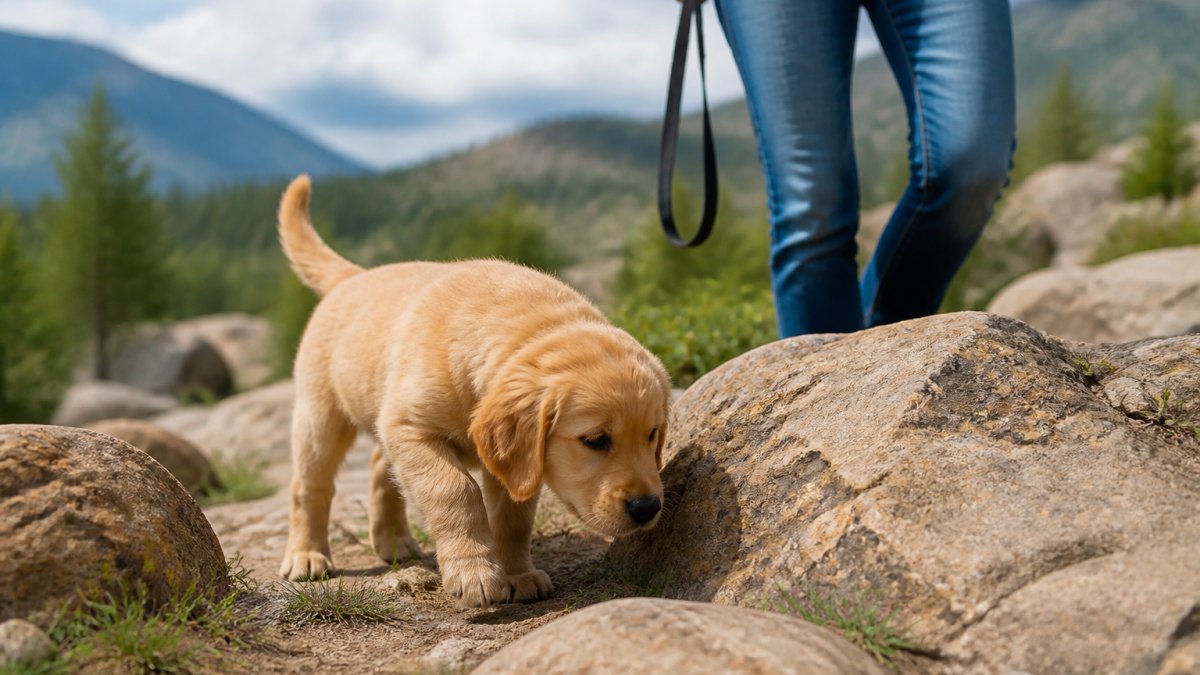
Exposure means introducing your puppy to new experiences at their own pace, so they discover new things voluntarily and find them rewarding.
Your puppy reads your emotional state: if you're anxious about a thunderstorm or loud truck, your puppy absorbs that anxiety, so calm, normal behavior from you matters.
Early exposure to a variety of people builds social resilience, so puppies should meet people of different ages, sizes, and appearances, including those wearing hats, sunglasses, and uniforms.
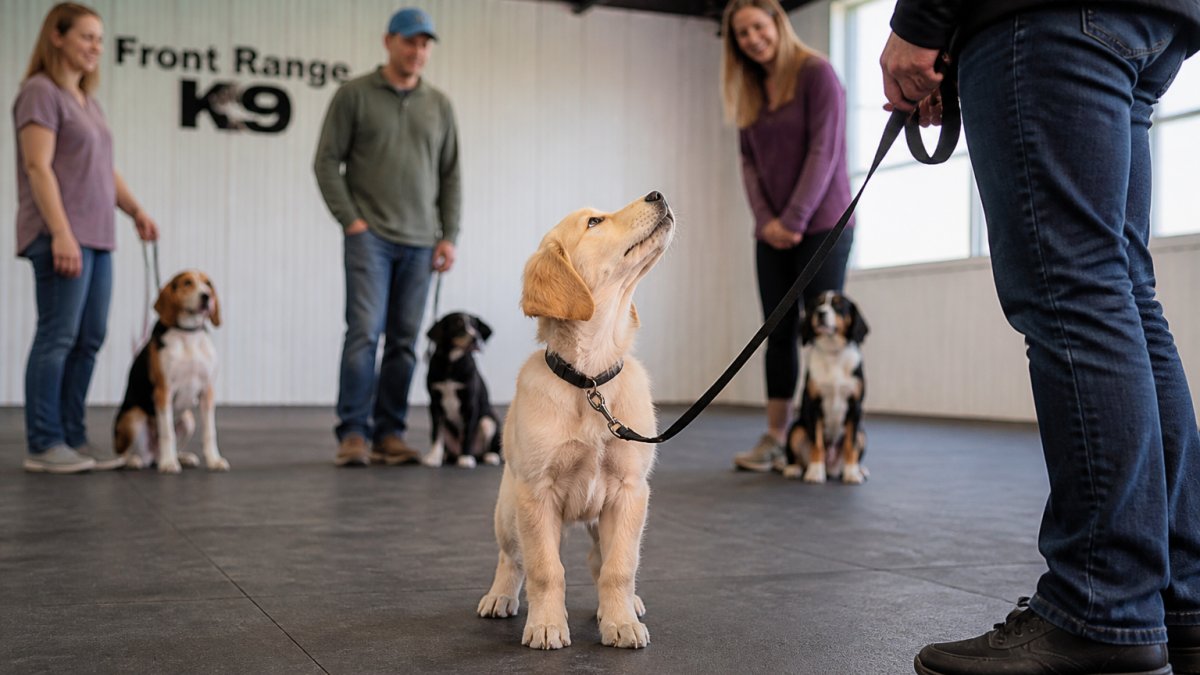
Exposure to other dogs and animals is equally important: puppies that interact with well-mannered, vaccinated dogs learn appropriate social skills and canine communication.
Environmental exposure matters too: parks, markets, car rides, different neighborhoods, surfaces, stairs, and crowds each expand your puppy's sense of what's normal and manageable. For puppies in areas with wildlife hazards, exposure can also include specialized training like snake avoidance dog training, which teaches dogs to recognize and avoid dangerous encounters in their environment.
The goal isn't to overwhelm your puppy but to provide regular, varied exposures that build confidence and adaptability, so they grow into an adult dog that handles change with composure.
Early socialization isn't just about preventing problems; it builds the foundation for a dog that enjoys life, handles stress well, and responds thoughtfully to whatever comes its way.
If you're starting with a puppy and want to ensure you're building confidence the right way, Front Range K9 Academy can help you develop a socialization plan tailored to your puppy's age, temperament, and needs. Guide Dogs research on early-life socialization and anxiety reduction confirms that puppies receiving structured early exposure show measurably less anxiety and greater behavioral resilience as adults.
Ready to set your puppy up for success? Book your Temperament Test & Training Session with Front Range K9 Academy and let our 36+ years of experience guide your puppy's development from the start.
Frequently Asked Questions
How important is early socialization for preventing behavior problems in dogs?
Research shows puppies who receive appropriate early socialization are significantly less likely to develop behavioral issues like aggression and fearfulness as adults. Early positive exposure builds the foundation for confidence and resilience. Dogs that miss this critical window often struggle with anxiety and reactivity later, even with training. The investment in early socialization prevents costly behavioral problems down the road.
Can older dogs benefit from socialization if they missed it as puppies?
Yes, older dogs can improve through continued exposure and positive experiences, though the process may take longer than with puppies. Adult dogs that missed early socialization can still build confidence through gradual, controlled introductions to new people, places, and experiences. Patience and consistency are key. Professional guidance helps ensure the process reduces stress rather than reinforcing fearful behavior.
What should a puppy socialization checklist include?
A comprehensive checklist covers exposure to different people (various ages, appearances, and voices), other dogs and animals, new environments (parks, streets, vehicles), varied surfaces and textures, everyday sounds (traffic, vacuum, doorbell), and handling by different people. Each exposure should be positive and at the puppy's comfort level. The goal is gradual exploration that builds confidence without overwhelming the puppy.