 blog
blog
Best Dog Training Treats for Leash Walking in 2026
Table of Contents
- Best Dog Training Treats for Leash Walking: Quick Comparison
- High-Value Dog Treats for Walks and Distracting Environments
- Choosing the Best Treats for Puppy Leash Training and Food-Sensitive Dogs
- Dog Treat Pouches, Portability, and Weather Performance
- How to Choose Treats That Keep Dogs Interested on Walks
- When Treats Alone Aren't Enough
- Frequently Asked Questions
Last Updated: October 17, 2026
Best Dog Training Treats for Leash Walking: Quick Comparison
Finding the best dog training treats for leash walking comes down to size, softness, and how fast your dog can eat them. At Front Range K9 Academy, 36 years and more than 10,000 dogs have shown us that treat selection shapes how a walk goes.
| Treat Type | Best For | Watch Out For |
|---|---|---|
| Freeze-dried meat | High-distraction environments | Crumbles in a pocket |
| Soft training bites | Puppies and quick repetitions | Can dry out once opened |
| Single-protein jerky | Food-sensitive dogs | Harder to tear on the move |
The best dog training treats for leash walking are small, soft, and eaten in one or two bites. Anything larger interrupts your pace, and anything bland loses out to the environment.
High-Value Dog Treats for Walks and Distracting Environments
High-value dog treats for walks are the ones your dog will choose over the environment: real meat, strong smell, and a soft texture that goes down fast.
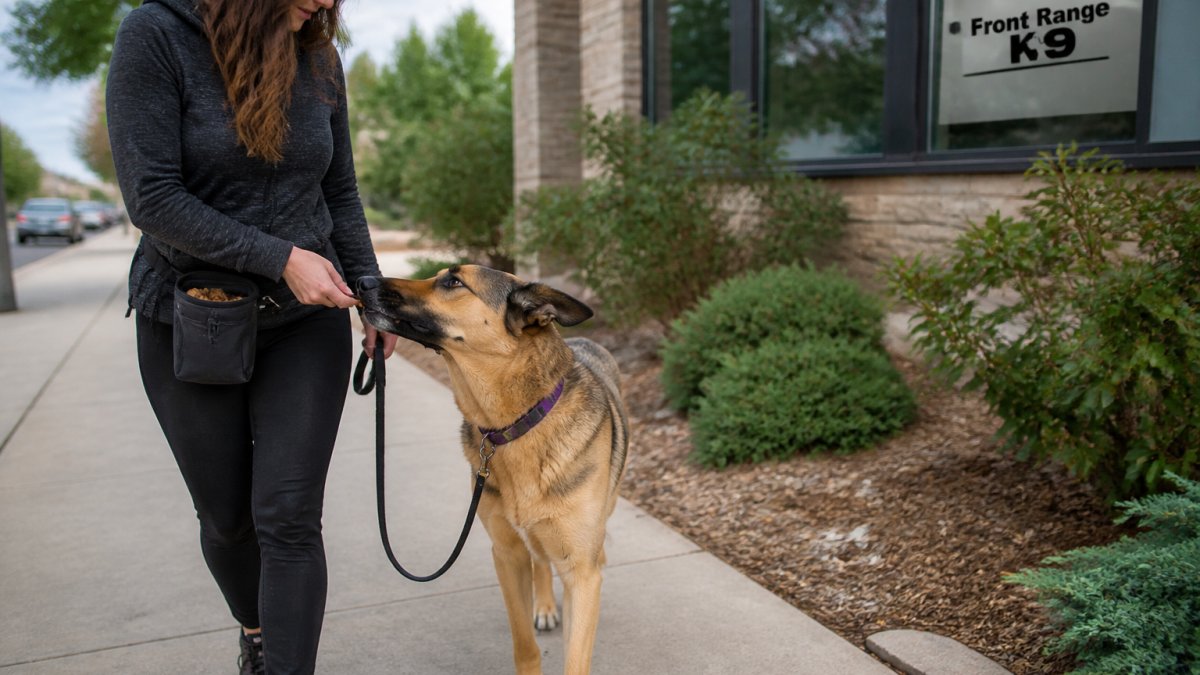
Freeze-dried liver and single-ingredient meat treats top most value hierarchies, but value isn't fixed: a treat that's high-value at home may be worthless next to a reactive dog across the street.
Choosing the Best Treats for Puppy Leash Training and Food-Sensitive Dogs
The best treats for puppy leash training are soft enough for baby teeth and small enough to repeat quickly, so a session keeps moving.
For food-sensitive dogs, the rule is fewer ingredients, not fewer rewards. Single-protein options like chicken, turkey, duck, or beef let you isolate what works; talk to your veterinarian before rotating proteins.
Dog Treat Pouches, Portability, and Weather Performance
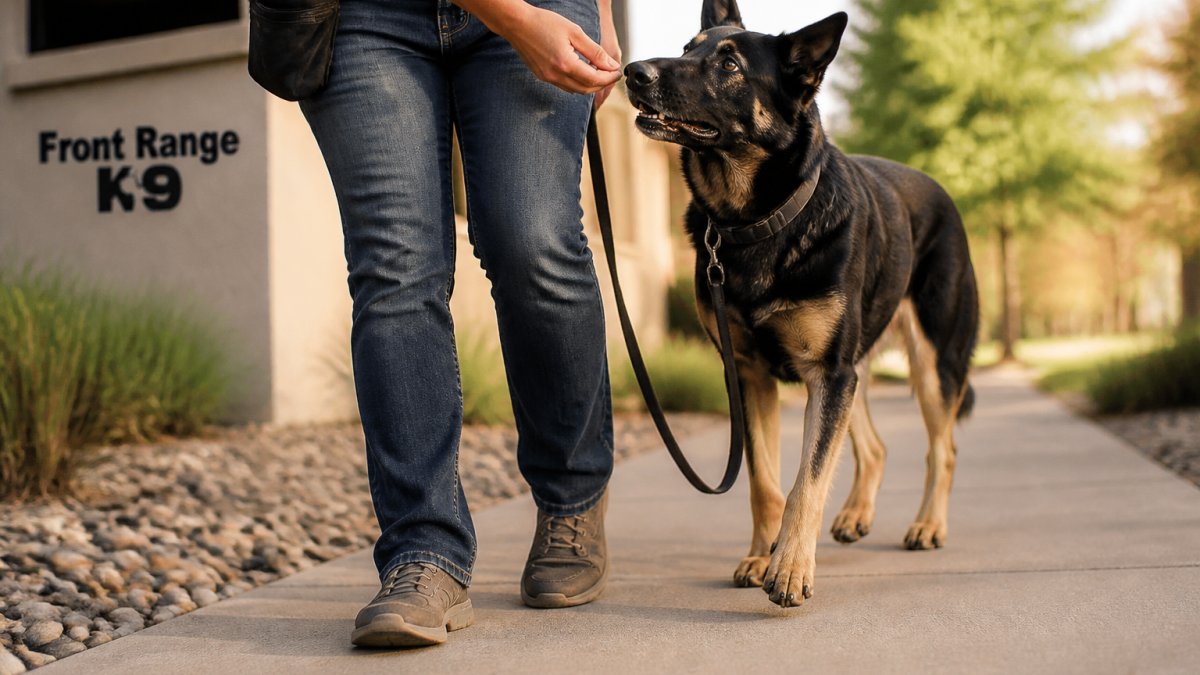
A dog treat pouch for walking keeps rewards within reach so timing stays sharp, and keeps grease and crumbs off your jacket. Look for a quick-open closure, a belt clip, and a washable lining.
Weather matters more than most owners expect: soft treats turn to mush in summer heat and freeze solid in winter, so plan a seasonal swap and keep pouches sealed in wet weather.
How to Choose Treats That Keep Dogs Interested on Walks
Treats that keep dogs interested on walks share one trait: they're unpredictable. Rotate two or three options and reserve the best one for the hardest moments.
Book your Temperament Test & Training Session →
Reward timing matters as much as the reward itself, and tiny portions let you reward often without wrecking your dog's appetite. Subtract treat calories from meals and check the bag for feeding guidance.
When Treats Alone Aren't Enough
Treats are a tool, not a plan. They help mark the right moment, but they don't teach a dog what to do when the environment gets loud.
This is where structured training changes the picture. Front Range K9 Academy has spent 36 years helping owners turn stressful walks into enjoyable ones, with private sessions and small group classes built around real-world obedience.
Brie Benson, an owner in Arvada, put it plainly: "Walks are no longer stressful and in fact, enjoyable!" That outcome comes from a method, not a treat bag.
If your dog's challenges go beyond pulling, our snake avoidance dog training program is one example of how we prepare dogs for real outdoor conditions.
Frequently Asked Questions
How small should dog training treats be for leash walking?
Bite-sized pieces about the size of a pea work best for leash walking. Small treats let your dog swallow quickly so you can reward fast and keep moving. They also help you control calorie intake during a walk. Soft treats you can tear into smaller pieces are practical because you can adjust the size to your dog. For a large dog, a slightly bigger piece still works, but keep rewards quick and easy to eat so attention stays on you and the walk.
Can I use regular dog food as training treats on walks?
Regular kibble can work as a low-calorie option, especially for dogs who are food-motivated. However, many dogs find kibble less exciting than high-value treats, which matters in distracting environments. A practical approach is to reserve special high-value treats for harder moments, like passing other dogs, and use kibble for easier practice. If your dog ignores kibble outdoors, a soft, smelly treat usually gets attention faster. Adjust your dog's daily food portion if you use a lot of kibble as rewards.
How many treats can I give my dog during a walk?
Treats should stay within about 10 percent of your dog's daily calories, a common guideline from veterinary nutrition sources. For a 50-pound dog eating roughly 1,000 calories a day, that is about 100 calories of treats. Since many small training treats are 3 to 5 calories each, that allows roughly 20 to 30 pieces. Count treats as part of the daily total and reduce meals slightly on heavy training days. For food-sensitive dogs, confirm treat choices with your veterinarian before adding anything new.
Walking a dog that pulls, lunges, or ignores you is exhausting, and better treats alone won't fix it. Front Range K9 Academy combines 36 years of professional experience, private and group sessions tailored to your dog, and proven methods that hold up in the real world. Book your Temperament Test & Training Session and start enjoying walks again.