 how-to
Why Your Dog Pulls Only on the Way Home
Last Updated: October 23, 2026
Quick Summary
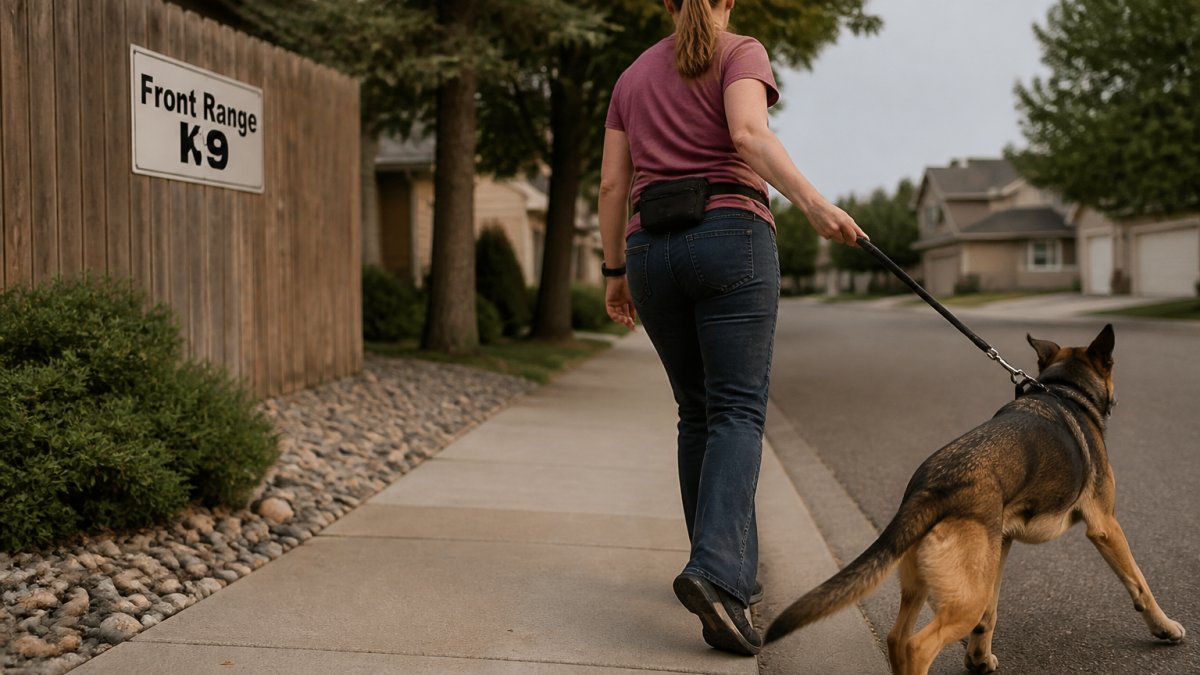
When a dog pulls home, it is usually anticipation, not disobedience. Your dog has learned the last stretch leads to food, water, rest, and a familiar bed, and that prediction shows up as forward pressure on the leash. Pulling is a learned shortcut, and shortcuts get repeated when they work.
- The return leg is predictable and rewarding, so anticipation builds excitement that turns into leash tension.
- Route familiarity means a dog that knows every turn predicts the finish line.
- Shortening the leash and holding tighter usually makes the tension worse.
- Older dogs with long-standing habits can still learn new patterns with organized, consistent training.
- If your dog pulls hardest at the end of a long walk, shorten the route.
Table of Contents
- Why Does My Dog Pull Only on the Way Home?
- Common Dog Leash Pulling Causes Behind the Rush Home
- How Loose Leash Walking Training Solves the Way-Home Pull
- What Most Owners Get Wrong About the Pull Home
- When to Bring In Professional Help
- The Bottom Line
- Frequently Asked Questions
Why Does My Dog Pull Only on the Way Home?
When a dog pulls home, it is usually anticipation, not disobedience. Your dog has learned the last stretch leads to food, water, rest, and a familiar bed, and that prediction shows up as forward pressure on the leash.
At Front Range K9 Academy, 36+ years of watching this pattern show it rarely means stubbornness, the walk has simply become predictable.
Common Dog Leash Pulling Causes Behind the Rush Home
The main causes of dog leash pulling on the return leg include:
- Anticipation of home. Food, water, and rest sit at the end of the route.
- Route familiarity. A dog that knows every turn predicts the finish line.
- Dog anxiety on walks. Some dogs relax heading out and tighten up heading back.
- Fatigue. A tired dog often leans into the leash.
- Reinforced habit. Pulling that gets the dog home faster strengthens.
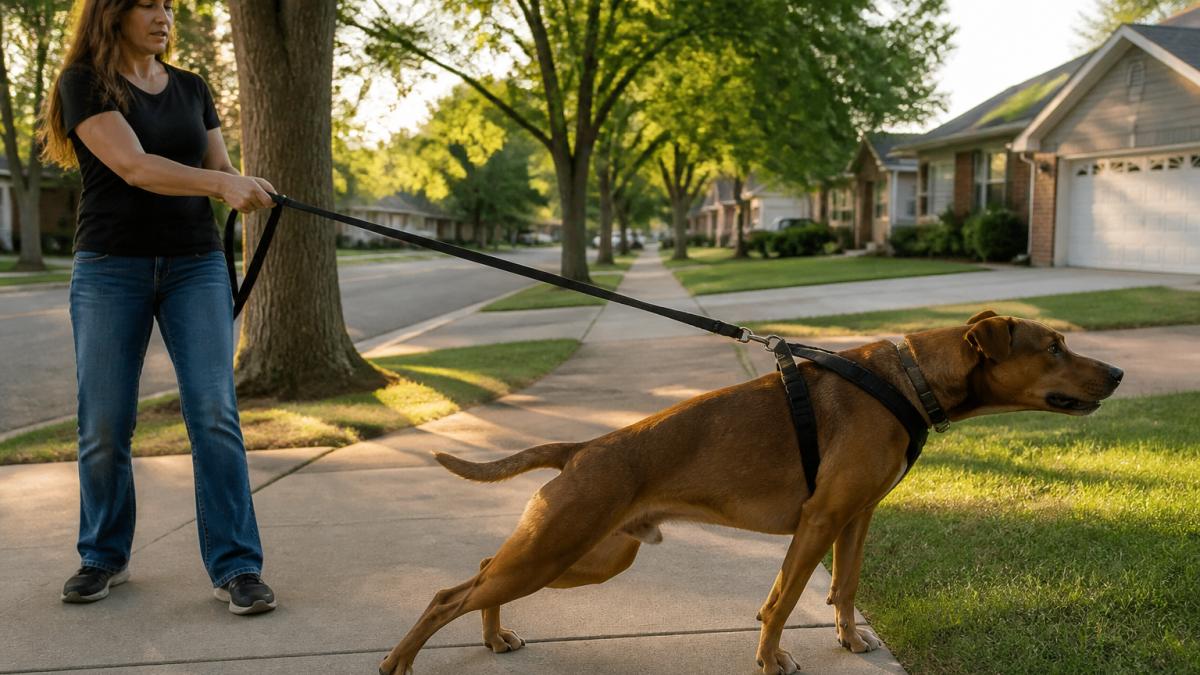
Pulling is a learned shortcut, and shortcuts get repeated when they work.
Here are the main reasons a dog rushes and pulls on the return leg of a walk.
| Cause | What it looks like |
|---|---|
| Anticipation of home | Food, water, and rest sit at the end of the route |
| Route familiarity | A dog that knows every turn predicts the finish line |
| Dog anxiety on walks | Some dogs relax heading out and tighten up heading back |
| Fatigue | A tired dog often leans into the leash |
| Reinforced habit | Pulling that gets the dog home faster strengthens |
How Loose Leash Walking Training Solves the Way-Home Pull
Loose leash walking training replaces the shortcut with a new habit: a dog that walks on a slack line because that is what pays off. Structured training changes predictability, attention, and calm exits, the final stretch stops being a race.
The first results are small, a few seconds of slack, a check-in instead of a lunge, and those wins compound in private sessions and small group work at Front Range K9 Academy.
Book your Temperament Test & Training Session →
What Most Owners Get Wrong About the Pull Home
The common fix, shortening the leash and holding tighter, usually makes the tension worse, because a tight leash tells an excited dog to push forward. Treat the return leg as a training opportunity, not a commute. If self-guided training has not stuck, that is common, it often skips the structure that makes new habits hold under real-world distraction.
When to Bring In Professional Help
Signs it is time for professional guidance: pulling that has continued for months or years, reactivity toward other dogs or people, walks you now avoid, or multiple approaches without lasting change.
Age is rarely the barrier owners fear. Older dogs with long-standing habits can still learn new patterns when training is organized and consistent, that is the core of what we do. The same structured approach applies to other real-world hazards your dog may meet on a walk, which is why we also offer snake avoidance dog training for owners who want their dog prepared for what is out on the trail.
The Bottom Line
The rush home is one of the most fixable patterns in dog training: understand why it happens, then replace the shortcut with a routine your dog can predict and repeat.
If you want help building that routine, Front Range K9 Academy offers private sessions and small group training for dogs of any age, size, or breed, backed by 36+ years of experience and more than 10,000 trained dogs and owners.
Book your Temperament Test & Training Session and get a plan built around your dog, not a generic script.
Frequently Asked Questions
Why does my dog pull on the leash only on the way home?
The route home is familiar and predictable, so a dog often speeds up because the walk's end means rest, food, or a known safe space. Anticipation builds as the dog recognizes landmarks. If the dog pulls home but walks calmly outbound, the trigger is usually anticipation rather than general leash manners. A trainer can assess whether the pattern is excitement, fatigue, or anxiety before building a plan.
Does a dog pulling toward home mean they are anxious?
Not always. Anxiety is one possible cause among several dog leash pulling causes, including excitement, habit, and fatigue. Signs like tucked tail, scanning, or reluctance to move away from home point more toward stress, while a loose, bouncy pull usually signals eagerness. Because the behaviors look similar on a leash, an in-person assessment is the reliable way to tell them apart.
Can tiredness make a dog pull on the leash?
Yes. Dog pulling on leash when tired happens when a dog's energy fades and it wants the walk to end sooner. The dog may lag, then surge toward home once it recognizes the return route. Shortening long walks or adding rest breaks can reduce the pattern, and structured loose leash walking practice helps the dog hold position even when fatigued.