 comparison
Pavlov Dog Training vs Competitors: What Owners Should Know
Table of Contents
- Pavlov Dog Training vs Competitors: An Objective Look
- How to Choose a Dog Trainer That Fits Your Needs
- Private vs Group Dog Training: Which Delivers Results?
- Frequently Asked Questions
Last Updated: September 7, 2026
Pavlov Dog Training vs Competitors: An Objective Look
The United States dog trainer market was valued at USD 1.9 billion in 2024 and is projected to reach USD 3.2 billion by 2033, according to LinkedIn Pulse's 2026 market analysis. With that much money flowing into training services, owners face a crowded field of options that all promise results. This guide from Front Range K9 Academy breaks down how to evaluate Pavlov Dog Training vs competitors using objective criteria rather than marketing claims.
The challenge is that most owners compare training schools the wrong way. They focus on price or convenience first, when the real differentiator is the training methodology itself, the experience of the trainer, and whether the program structure matches the dog's specific needs. The U.S. dog training services market grew by 2.3% in 2025, per IBISWorld's annual industry report, which means more options than ever, but also more variance in quality.
How to Choose a Dog Trainer That Fits Your Needs
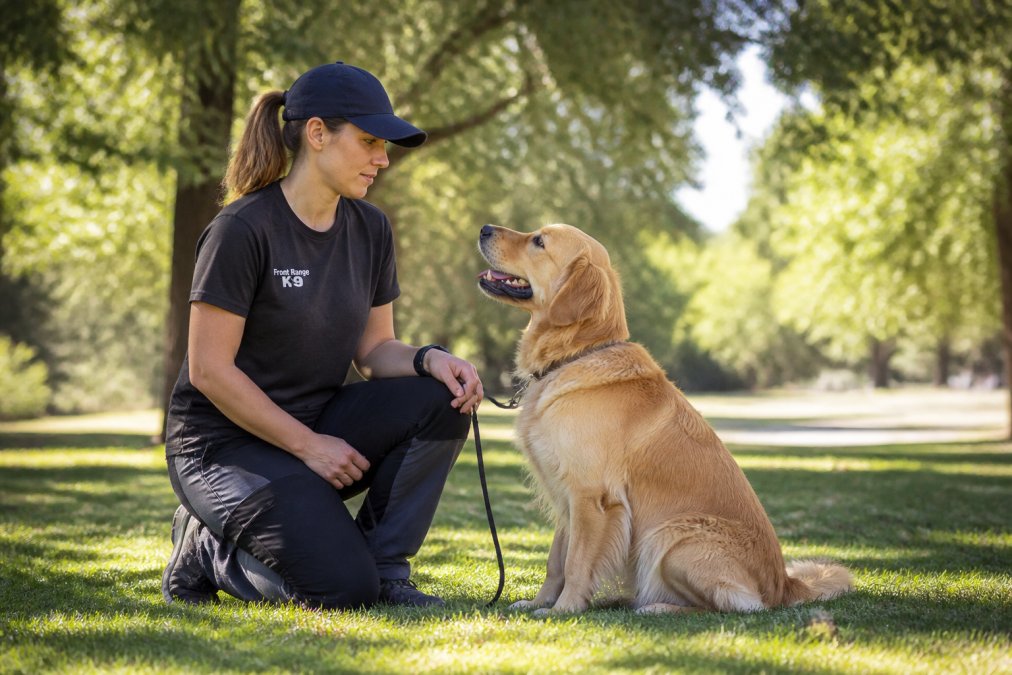
Choosing a dog trainer comes down to three verifiable factors: methodology, measurable experience, and program design. A training methodology based on learning theory matters because it predicts how durable the results will be. Dogs learn through Pavlovian conditioning, operant conditioning, and social learning, as documented by the EXTERNAL_LINK: National Center for Biotechnology Information's review of working [dog training | ncbi.nlm.nih.gov]. Any credible trainer should be able to explain which of these mechanisms their program uses and why.
Experience is the second filter: documented years in the field, verifiable numbers of dogs trained, and professional affiliations.
Program design is the final filter, and it connects directly to the behavioral issues you need addressed. Does the school offer a behavioral assessment before enrollment? Are programs tailored to the dog's age, temperament, and specific challenges like reactivity or anxiety? Industry trends for 2026 show a shift toward positive reinforcement and increased demand for socialization services, according to Zoom Room's dog training industry trends report. A provider that offers both private and group formats gives you the flexibility to match the training setting to the problem. For owners facing seasonal hazards, some providers also offer specialized snake avoidance dog training to keep dogs safe in outdoor environments.
Private vs Group Dog Training: Which Delivers Results?
Private training wins for specific behavioral issues, while group classes excel at socialization and distraction-proofing.
Group classes, by contrast, are valuable for teaching obedience in the presence of distractions. Dogs trained with reward-based methods display stronger obedience and fewer anxiety-related behaviors, per PetWorks' 2026 analysis of modern dog training methods. Group settings naturally build the dog's ability to focus amid other animals and people, which is essential for real-world reliability.
| Training Format | Best For | Key Limitation | Typical Outcome |
|---|---|---|---|
| Private Sessions | Reactivity, aggression, specific behavior correction | Higher cost per session | Faster, targeted behavior change |
| Group Classes | Socialization, distraction training, basic obedience | Less individual attention | Well-rounded public behavior |
Research indicates that dogs trained using reward-based methods demonstrate stronger obedience, reduced anxiety-related behaviors, and more durable training outcomes, as reported by PetWorks' 2026 study on training outcomes. This suggests that the methodology matters more than the specific school name. When owners compare providers, the question should not be which brand is more popular, but which trainer can demonstrate a science-backed approach, verifiable experience, and a program structure that matches the dog's needs.
For owners in Northern Colorado, Front Range K9 Academy's combination of 36-plus years in the field, over 10,000 dogs trained, and tailored private and group programs addresses the full spectrum of training needs.
Frequently Asked Questions
What should I look for when comparing professional dog training services?
Focus on the trainer's experience, methodology, and results. Ask about their certification and how many dogs they have trained. Review their approach to behavioral issues and whether they offer private or group sessions. A trainer with decades of experience and verifiable success stories provides more confidence than one relying on theory alone. Schedule a temperament test to see how they interact with your dog before committing.
How does professional obedience training differ from basic behavior modification?
Basic behavior modification targets specific problems like pulling or barking. Professional obedience training builds a foundation of reliable commands that work in real-world settings. A comprehensive program combines both: first addressing behavioral issues, then teaching obedience skills. This layered approach, common at established academies, produces dogs that respond consistently whether at home, on walks, or in distracting environments.
What are the benefits of choosing a trainer with decades of experience?
Experienced trainers have seen a wider range of behavioral issues and know which methods produce lasting results. A professional with 36 years in the field has likely worked with thousands of dogs across every breed and temperament. They can quickly assess your dog's needs and adjust their approach accordingly. Industry association membership, like the International Association of Canine Professionals, also indicates ongoing education and adherence to professional standards.
How do I determine if a training program is right for my dog's specific needs?
Start with a behavioral assessment or temperament test. A quality trainer will evaluate your dog's reactions to various situations before recommending a program. Ask whether they handle your dog's specific challenges, such as reactivity or anxiety. Consider your own schedule and whether private sessions or group classes fit your lifestyle. The right program addresses both your dog's behavioral issues and your goals for obedience.
Choosing between training providers requires looking past marketing and examining methodology, experience, and program structure. Dogs learn through established conditioning mechanisms, and the right trainer applies those principles consistently. With decades of documented results and programs tailored to individual dogs, Front Range K9 Academy offers a proven path to real-world obedience. Book your Temperament Test & Training Session to see the difference structured, experienced training makes.