 ultimate-guide
The Importance of Early Dog Obedience Training
Table of Contents
- Why the Importance of Early Dog Obedience Training Shapes a Lifetime of Behavior
- The Benefits of Puppy Obedience Training Go Beyond Basic Manners
- How Long Does Dog Training Take to Produce Lasting Results?
- Frequently Asked Questions
Last Updated: October 21, 2026
Why the Importance of Early Dog Obedience Training Shapes a Lifetime of Behavior
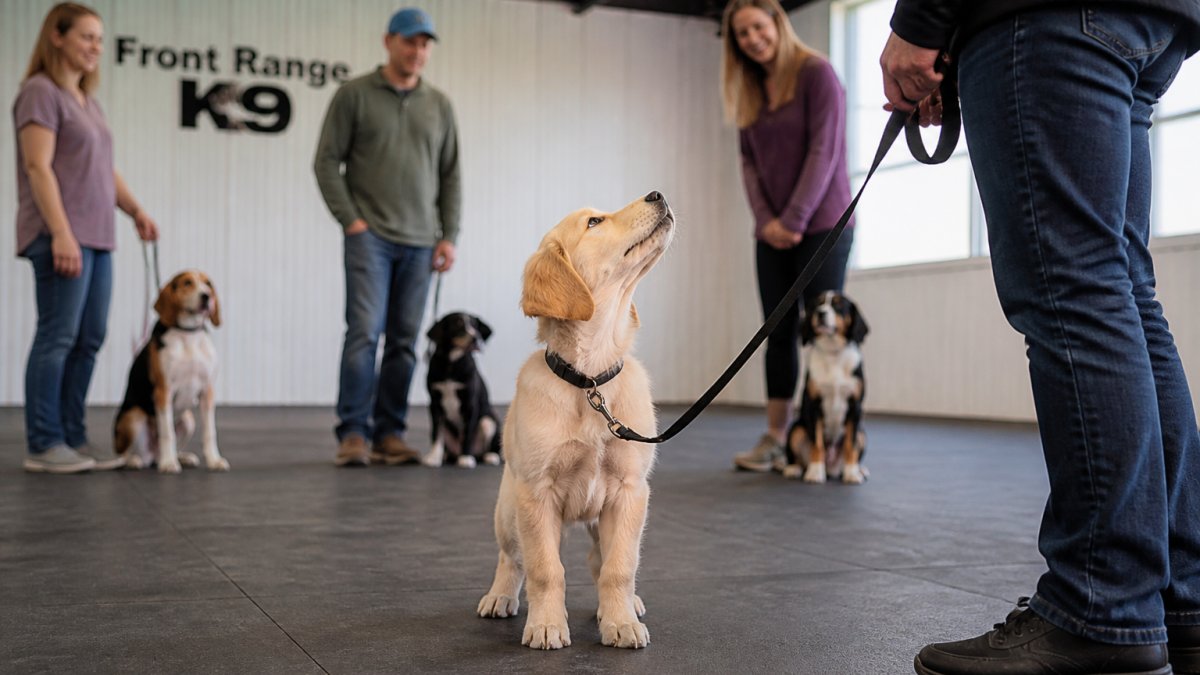
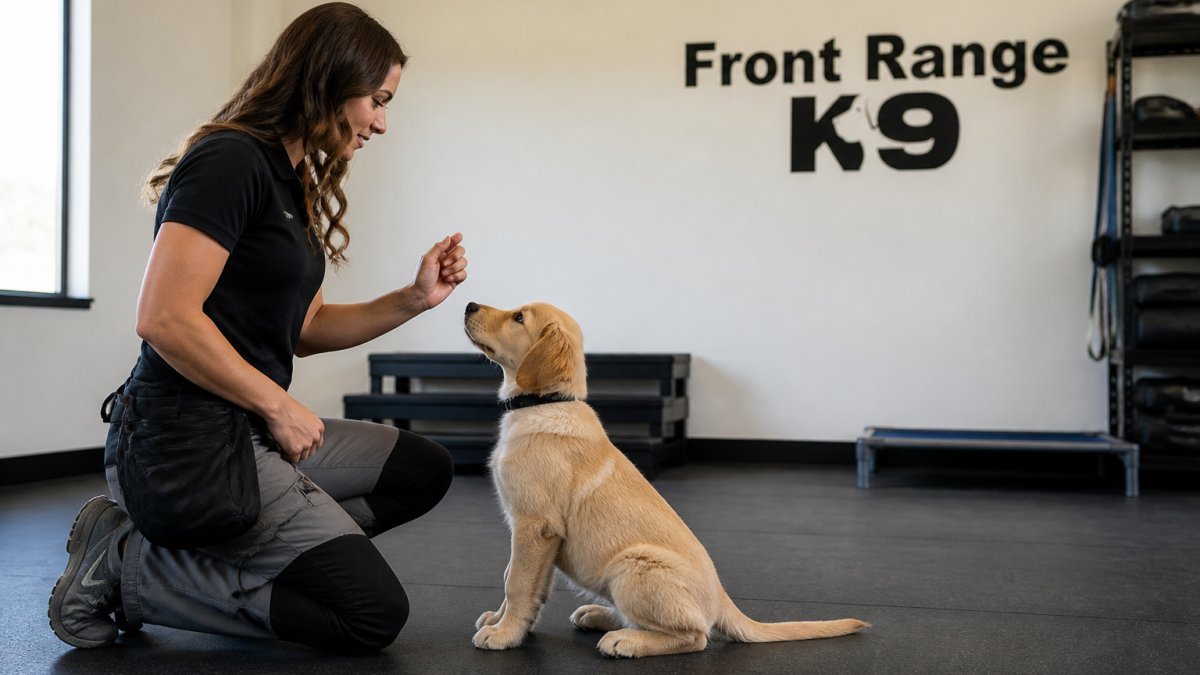
The importance of early dog obedience training comes down to one fact: habits set young tend to stay. Researchers publishing in the Journal of Veterinary Medical Science found that participation in puppy and adult training improved obedience behavior regardless of age. At Front Range K9 Academy, we have watched that play out across more than 10,000 dogs and owners in 36-plus years. Puppies that learn boundaries, routines, and basic commands early carry those patterns into daily life. The window matters less than most owners think, but starting young still gives you a head start on a well-behaved dog.
The Benefits of Puppy Obedience Training Go Beyond Basic Manners
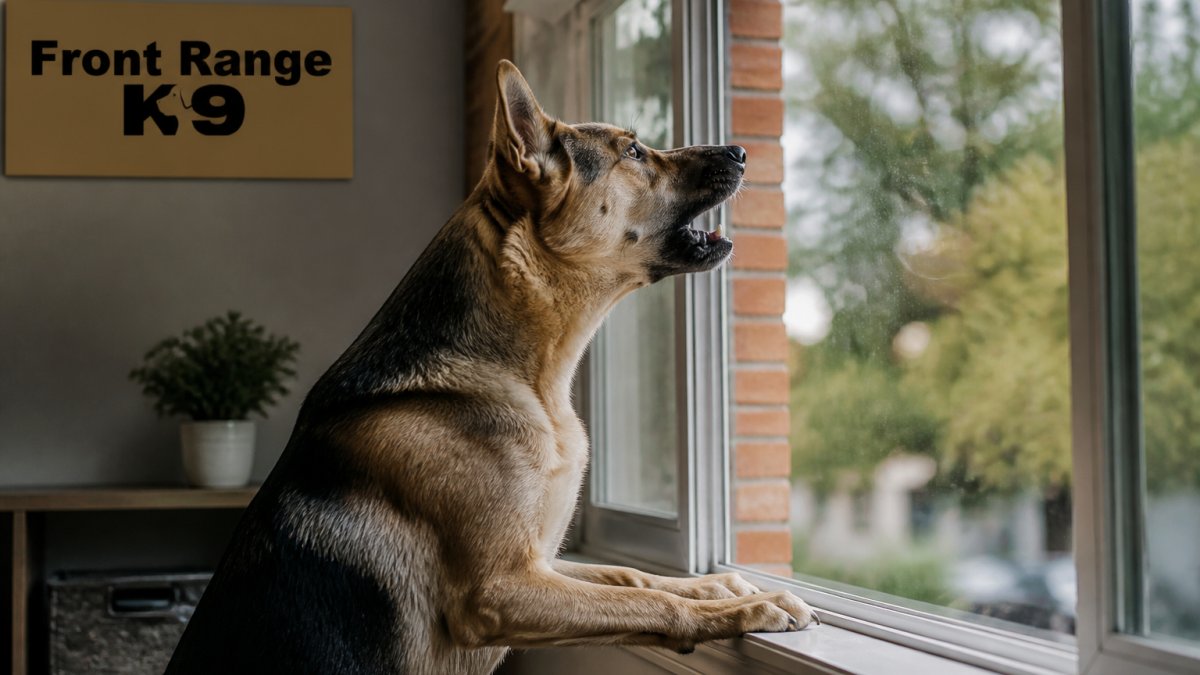
Early dog obedience does more than teach sit and stay. It builds confidence, sharpens communication, and heads off unwanted behaviors like chewing, jumping, and destructive behavior before they harden into habit.
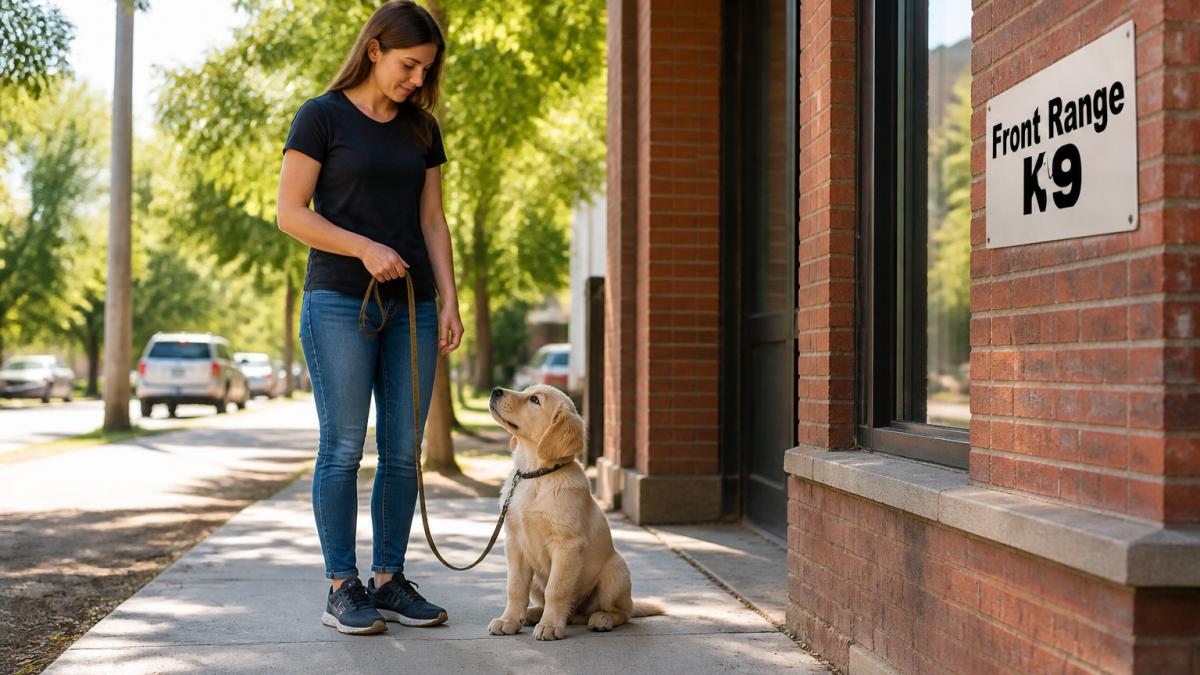
The benefits stack up quickly: a foundation for lifelong obedience and reliable recall, fewer behavioral issues at home, stronger socialization and safety in new environments, a closer dog-owner bond, and better manners during walks and daily routines.
What most guides miss is that the earliest lessons are really about communication, not commands. A puppy learning to read your signals is learning how to learn, and that skill carries into every session that follows.
How Long Does Dog Training Take to Produce Lasting Results?
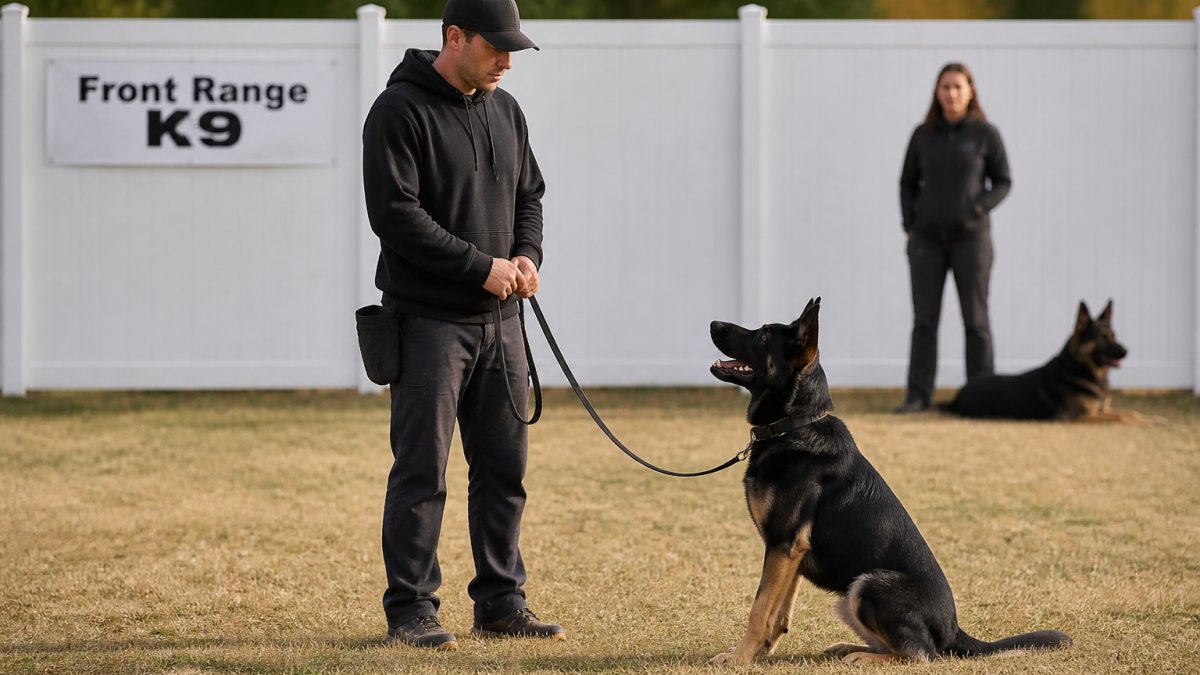
There is no single timeline. How long dog training takes depends on the dog's age, temperament, breed, and how consistently owners practice between sessions. Early weeks focus on socialization and safety, the adolescent months test boundaries, and adult training refines obedience and off-leash freedom.
The best age to start puppy training is earlier than many owners assume, yet the research is clear that dogs can learn at any age. That matters for anyone worried their older dog is a lost cause.
Book your Temperament Test & Training Session →
| Stage | Focus | What Owners Notice |
|---|---|---|
| Puppy | Socialization, safety, routines | Calmer reactions to new sights and sounds |
| Adolescent | Boundaries, habits, manners | Fewer pulling, jumping, and barking episodes |
| Adult | Refined obedience, off-leash freedom | Reliable recall and street-smart behavior |
If you are tackling long-standing habits, a structured program makes the difference. Our snake avoidance dog training shows how targeted work protects dogs outdoors.
Frequently Asked Questions
At what age should a dog begin obedience training?
Puppies can start foundational training as early as 7 to 8 weeks, focusing on simple routines, name recognition, and safe socialization. Research from the Journal of Veterinary Medical Science found that participation in puppy and adult training classes improved obedience behavior regardless of age. The best age to start puppy training is young, but dogs can learn at any age. Front Range K9 Academy works with dogs of any age, size, or breed, so owners of older dogs can still build structure and manners.
What are the benefits of early obedience training for dogs?
Early obedience training helps prevent unwanted behaviors like chewing, jumping, and pulling before they become habits. It builds confidence, supports potty training and house training, and strengthens the dog-owner bond through clear communication and consistent routines. Starting young also lays a foundation for basic commands like sit, stay, come, and heel, which make daily life safer and more enjoyable. Front Range K9 Academy has trained more than 10,000 happy dogs and owners using organized methods that work in the real world.
Can older dogs still learn obedience, and how long does dog training take?
Dogs can learn at any age, so a 5-year-old dog with long-standing leash pulling is not a lost cause. How long does dog training take depends on the dog's age, temperament, and the behaviors being addressed, but consistent sessions and clear boundaries produce steady progress. Front Range K9 Academy's private and group sessions are tailored to individual needs, and their 36+ years of experience help owners correct long-standing habits. The key is a proven, organized approach rather than quick fixes.
Every owner eventually faces the same challenge: turning good intentions into a dog that behaves at home, on walks, and off leash. Front Range K9 Academy makes that practical with 36-plus years of professional experience, private and group sessions tailored to your dog, and proven methods that work in the real world. Book your Temperament Test & Training Session and start building obedience that lasts.